Table Of Contents
- Why Electrical Warning Signs Matter
- Electrical Signs Homeowners Should Not Ignore
- What To Do When A Problem Appears
- How To Perform A Safe Home Electrical Check
- Common Electrical Safety Mistakes
- Extra Checks For Older Homes
- When To Call A Qualified Electrician
- A Simple Electrical Safety Routine
- Frequently Asked Questions
Electrical problems do not always begin with a dramatic outage. A light that dims when the microwave starts, an outlet that feels warm, or a breaker that trips more than once can be an early sign that part of the system needs attention. Homeowners who recognize these clues early can avoid using damaged equipment and make safer decisions before a small issue becomes more serious.
When a warning sign involves wiring, outlets, switches, breakers, or a panel, it is best to avoid experimenting with a repair. Homeowners in the area who need help evaluating an active issue can review https://www.fusionkc.com/electrical-repair-kansas-city/ for examples of problems that should be assessed by a qualified electrician.
Why Electrical Warning Signs Matter
Electricity can continue working while an unsafe condition develops behind a wall, inside an outlet box, or at a connection point. Heat, loose wiring, damaged insulation, and overloaded circuits can all create problems without immediately shutting off power. That is why changes in normal operation deserve attention, especially if they repeat. Familiar warning signs of an overloaded electrical system include dimming lights, buzzing devices, discolored outlets, and frequently tripping breakers.
Electrical Signs Homeowners Should Not Ignore
Flickering Or Dimming Lights
An occasional flicker may be caused by a loose bulb or an aging fixture. However, flickering in several rooms, lights that dim when a large appliance starts, or flickering paired with heat, buzzing, or an odor may indicate a circuit or connection problem. Do not assume it is only a bulb if the pattern continues.
Frequently Tripping Breakers
Breakers are designed to interrupt power when current levels become unsafe. A single trip after too many devices were used on one circuit may have an obvious cause. Repeatedly resetting the same breaker is not a solution, because the cause could be an overload, a short circuit, a damaged appliance, or faulty wiring.
Warm, Discolored, Or Loose Outlets
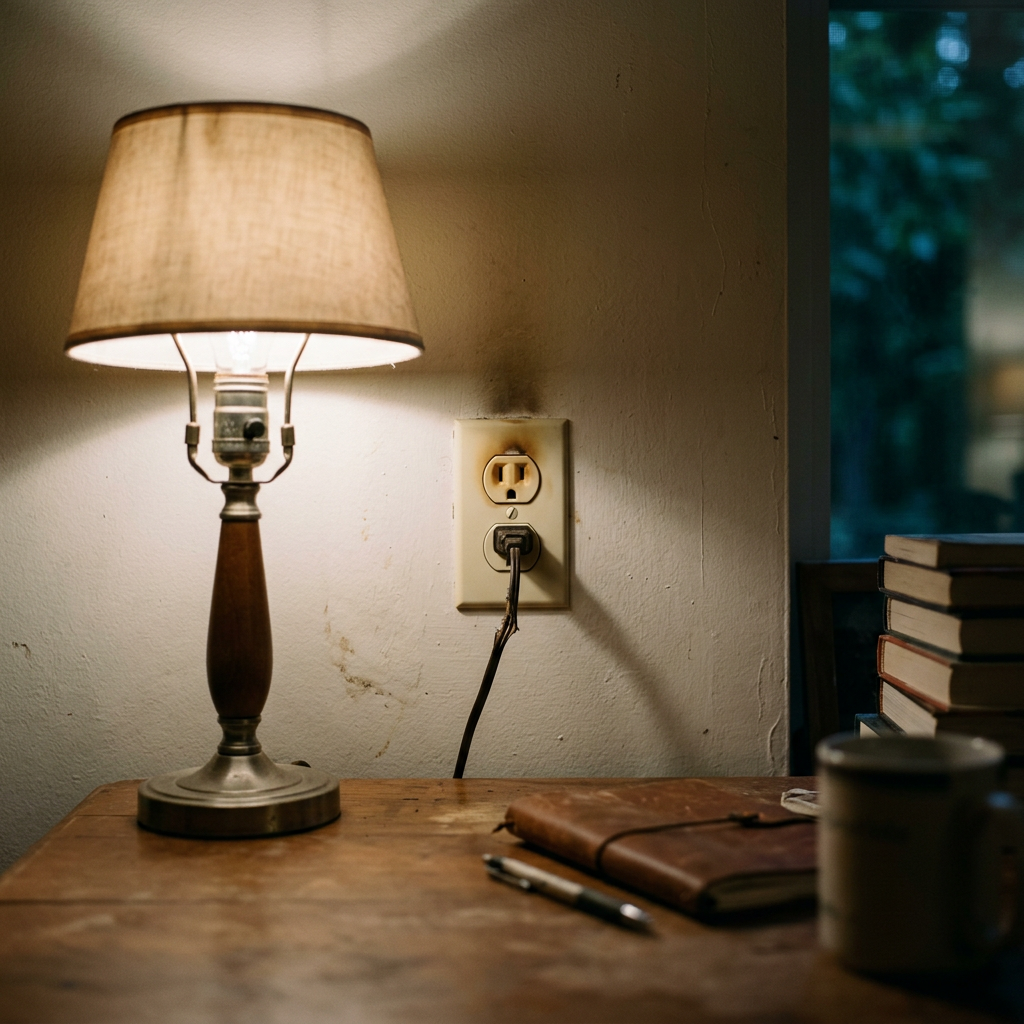
An outlet cover that feels warm, has brown marks, smells unusual, or no longer holds a plug securely should be removed from use. Heat can point to a poor connection or excessive load. Unplug the device by holding the plug itself, not the cord, and keep people away from the outlet until it is checked.
Buzzing, Crackling, Sparks, Or Shocks
Persistent buzzing or crackling from a switch, outlet, wall, or electrical panel is not normal. Neither are repeated sparks, tingling sensations, or mild shocks from an appliance. Stop using the affected item, do not touch exposed wires, and keep children and pets away from the area. Smoke, flames, or active arcing require an immediate call to 911 from a safe location.
What To Do When A Problem Appears
- Stop using the device, outlet, switch, or circuit connected to the problem.
- Keep water away from the area and do not stand on a wet floor while handling electrical equipment.
- Move people away from smoke, heat, sparks, damaged cords, or exposed wiring.
- Turn off the affected breaker only if the panel is dry, accessible, and safe to reach.
- Do not remove a panel cover or touch wires inside the panel.
- Call a qualified electrician if the source is unclear, the warning sign returns, or damage is visible.
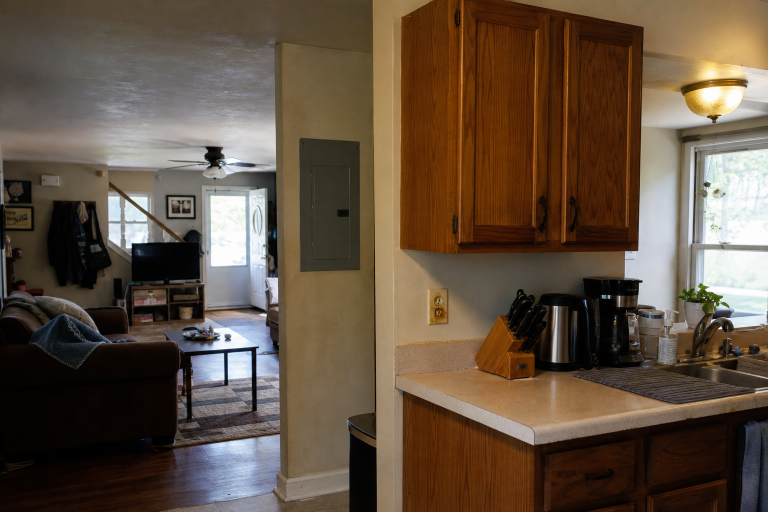
Turning off a breaker can shut down a branch circuit, but it does not make every part of the electrical panel safe to touch. Service connections and other components may still be energized.
How To Perform A Safe Home Electrical Check
A home electrical check should be a visual review, not a do-it-yourself repair project. Use the room-by-room electrical safety checklist as a practical reminder of what to inspect without opening outlets, switches, or panels.
- Look for cracked outlet covers, loose switches, and missing cover plates.
- Inspect cords for fraying, cuts, crushed sections, melted spots, or loose plugs.
- Keep cords out from under rugs, furniture, windows, and doors where they can be damaged or trap heat.
- Do not connect one power strip or extension cord to another.
- Follow the device instructions when testing GFCI outlets with “test” and “reset” buttons.
- Keep electrical devices away from sinks, tubs, wet floors, and outdoor moisture.
Common Electrical Safety Mistakes
Some everyday habits increase risk over time. Extension cords are meant for temporary use, not as permanent household wiring. High-wattage appliances should not be run through overloaded power strips, and damaged chargers or cords should be replaced rather than taped or patched. Never replace a fuse or breaker with one rated for more current than the circuit is designed to handle. That can prevent the protective device from doing its job.
Extra Checks For Older Homes
Older homes may have fewer circuits, worn components, outdated wiring methods, or electrical systems that were not designed for modern appliance loads. Learn when the system was last inspected and whether significant work was completed with proper permits. Frequent breaker trips, warm walls, a shortage of usable outlets, or heavy reliance on extension cords are all reasons to schedule a professional assessment. Renovations, EV chargers, new HVAC equipment, and kitchen upgrades can also change the home’s electrical demand.
When To Call A Qualified Electrician
Professional help is the safest choice for issues involving wiring, breakers, panels, unknown damage, water exposure, or repeated warning signs. Call promptly for scorch marks, melted covers, burning odors, crackling inside a wall, shocks from outlets or appliances, visible sparks, or breakers that continue to trip. Before hiring, verify licensing, insurance, references, and any local requirements that apply to the work.
A Simple Electrical Safety Routine
- Monthly: Test smoke alarms, carbon monoxide alarms, and applicable GFCI devices according to their instructions.
- Every few months: Check cords, plugs, outlets, and power strips for heat or visible damage.
- Twice a year: Review extension cords, space heaters, outdoor equipment, and power strip use.
- Before remodeling: Confirm that the current system can support the planned load.
- After storms: Watch for water intrusion, damaged outdoor equipment, and unusual service problems.
Frequently Asked Questions
Is A Flickering Light Always Dangerous?
No. A loose bulb or aging fixture may cause an occasional flicker. Repeated flickering, widespread dimming, or flickering combined with heat, noise, or odor needs closer attention.
Should A Tripped Breaker Be Reset?
One careful reset may be reasonable when there is no visible damage, and the cause is clear. If it trips again, leave it off and have the circuit diagnosed.
What Should I Do If There Is Smoke?
Leave the home, call 911 from a safe location, and do not re-enter until emergency personnel say it is safe.
Conclusion
Electrical safety starts with noticing changes and responding without taking unnecessary risks. A warm outlet, a persistent odor, a repeated breaker trip, or an unusual sound can be an important early warning. Visual inspections and a regular preventive maintenance routine can reduce hazards, while repairs involving wiring, panels, and hidden connections should be handled by qualified professionals.
Discover more from The Cameron Journal
Subscribe to get the latest posts sent to your email.