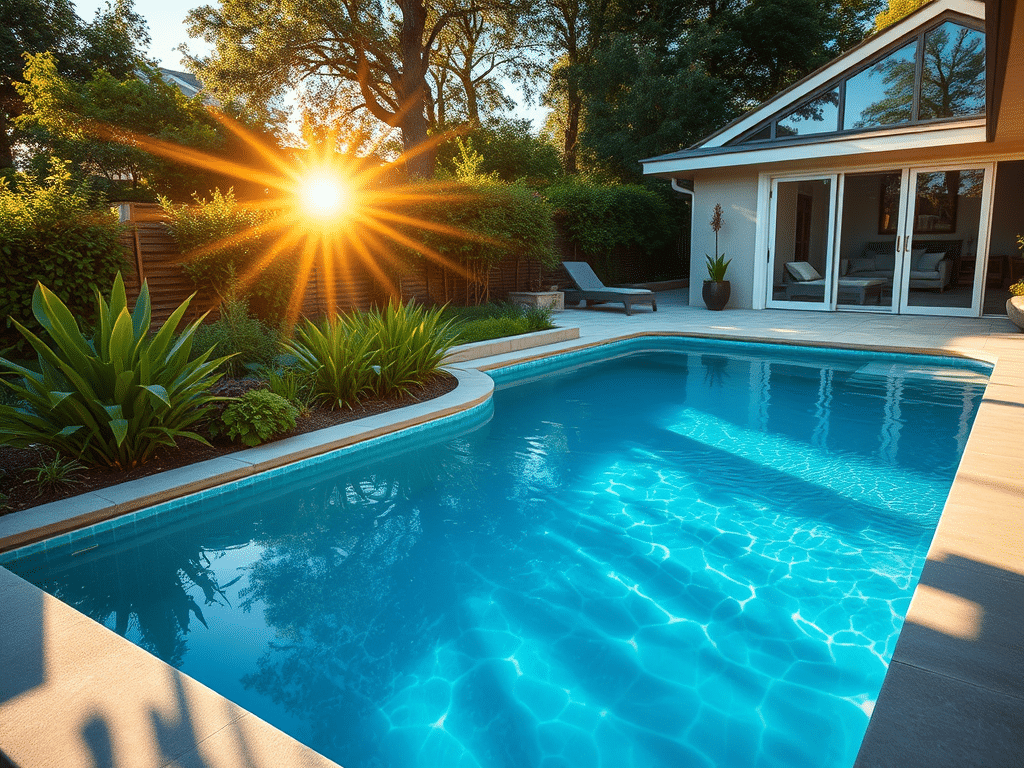
Designing a backyard pool is more than choosing the right tile, shape, or size. The most important decision often comes before any construction begins: finding the perfect spot for it. The location you choose affects how much you’ll use the pool, how it looks, how easy it is to maintain, and even how long it lasts. Selecting the right place requires a balance between sunlight, privacy, drainage, and design harmony. With careful thought, your pool can become the centerpiece of a backyard that feels effortless and inviting. Skilled designers bring not only technical know-how but also expertise to every pool remodel project, ensuring that every element of your outdoor space works together beautifully.
The Role of Sunlight in Pool Placement
Sunlight has a major influence on the overall pool experience. A pool bathed in natural light feels warm and welcoming, making it more enjoyable for swimming and lounging. Morning sun can keep the water pleasant without overheating it, while too much afternoon exposure might lead to higher evaporation and chemical use. The goal is to find that sweet spot where the pool stays comfortable but doesn’t demand constant upkeep.
If your yard has large trees or structures that cast long shadows, it’s worth tracking how sunlight moves throughout the day. The position of the sun changes with the seasons, so what seems like a sunny spot in spring could be shaded by late summer. Choosing a spot that receives steady light for most of the day keeps your pool functional and energy-efficient.
Designing for Accessibility and Connection
A pool should feel like an extension of your home, not a separate destination. That’s why accessibility is so crucial. When the pool sits too far from your main living area, it tends to be used less often. A convenient location makes quick dips, family games, or poolside dinners far easier to enjoy. Still, proximity requires balance. If the pool is too close to your patio or home, splashing water might affect outdoor furniture or create maintenance concerns.
Visual connection also matters. You want the pool to look inviting from inside the house, perhaps framed by large windows or sliding doors. The right positioning creates a continuous flow between indoor and outdoor living areas, enhancing your home’s aesthetic without making the yard feel crowded. To see how professional builders approach this harmony, take a look at https://www.socalcustompoolsandspas.com, where design and practicality come together to shape cohesive backyard spaces.
Privacy, Comfort, and Relaxation
Privacy is another major factor when choosing a pool’s location. The best spot allows you to relax freely, without feeling overlooked by neighbors or passersby. Fencing, pergolas, and thoughtfully placed greenery can create natural barriers that shield your pool area without blocking airflow or sunlight.
Tall shrubs, climbing vines, and decorative walls can also help you achieve a secluded retreat. If your yard slopes or sits at different levels, you might use elevation changes to hide the pool from view. The more private the space feels, the more it becomes a true sanctuary for family and guests.
Understanding Ground Conditions and Drainage
Before any digging begins, the condition of the ground beneath your pool must be carefully evaluated. Stability is critical. Soft soil, uneven grading, or rocky terrain can cause long-term structural problems. A level surface ensures even water distribution and helps prevent cracks or leaks over time.
Equally important is drainage. The pool should never sit in a spot where water tends to collect after heavy rain. Poor drainage can lead to flooding, erosion, and higher maintenance costs. A slight slope that directs water away from the pool area can prevent many future issues. If your property already struggles with runoff, installing a proper drainage system, such as a pre-sloped trench drain, before construction is essential. These systems help channel excess water away efficiently and reduce the risk of water accumulation around the pool area. These small steps early on can save significant expense later.
Balancing Beauty and Practicality in Landscaping
Your pool shouldn’t just sit in the middle of the yard. It should be part of a larger landscape vision. The best designs merge hardscaping and softscaping elements so that everything looks intentional. When planning your layout, consider how existing trees, plants, and walkways interact with the pool’s shape and size.
While shade from nearby trees can be appealing, it’s best to avoid placing the pool too close to them. Falling leaves, pollen, and roots can create ongoing problems, from clogged filters to cracked decking. Instead, plant low-maintenance shrubs or decorative grasses that complement the water’s texture and color. Over time, these details will make your outdoor area look natural and cohesive rather than pieced together.
Lighting also plays a role in landscaping harmony. Subtle ground lights or underwater fixtures can transform the pool area at night, highlighting the water’s movement and extending its usability well beyond daylight hours. A thoughtfully designed environment encourages relaxation at any time of day.
The Importance of Utilities and Connections
Every pool requires access to plumbing, electricity, and sometimes gas for heating systems. These practical factors often determine where the pool can or cannot go. Placing it too far from existing utility lines might look great visually, but it will increase installation costs and make future maintenance more complicated.
It’s wise to coordinate with professionals early in the planning process. They can identify where pipes, filters, and electrical components will fit best without compromising the look of your yard. A good design team ensures the technical elements stay out of sight while remaining easy to reach for servicing.
How Design and View Interact
A swimming pool is more than a place to swim; it’s also a visual centerpiece. Positioning it where it enhances the view from your home gives you enjoyment year-round, even when you’re indoors. Imagine looking out over the shimmering water while cooking, reading, or relaxing on the sofa. A well-placed pool becomes a piece of living art, changing with the light and seasons.
From the outdoor perspective, your pool should complement patios, gardens, and seating areas. The lines, textures, and colors should flow together naturally. When a design feels right, it elevates the entire space rather than dominating it. Every detail, from coping materials to the surrounding plants, contributes to that balance.
Creating the Ideal Backyard Retreat
Ultimately, choosing the perfect location for your pool is about creating harmony between form and function. It’s a decision that affects how you live, relax, and entertain. The right spot feels effortless, blending beauty with practicality while keeping comfort and safety in mind.
Professional builders know how to translate these elements into a space that fits your lifestyle. They consider sunlight, privacy, slope, and access all at once, ensuring your pool serves as both a sanctuary and a centerpiece. With thoughtful design, your backyard becomes more than just an outdoor space. It becomes a private retreat that reflects your taste and transforms daily life into something special.
Discover more from The Cameron Journal
Subscribe to get the latest posts sent to your email.