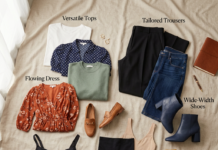
J. Crew, a titan of the ready-to-wearfashion industry is in trouble and just introduced a much cheaper line. The simple fact of the matter is this: Americans aren’t spending what we used to on clothing and it doesn’t matter about income either. From Wal-mart to luxury brands, American‘s want it fast, cheap, and faster than ever before. The fashion brands that are moving now have mastered that process. Brands like H&M, Forever 21, and Uniqlo are all known for their ever changing selections (rather than by season as in more traditional retailers and designers) and their ability to deliver the season’s trends for just a few dollars. No more paying $300 for a jacket, that jacket is now $65 at H&M.
One of the retailers hit the hardest in this trend is Abercrombie and Fitch. As people around my age will remember, having clothes with that coveted A&F logo on your shirt or hoodie made you socially in High school. Anyone in a mall who carried around that coveted bag bedecked with nearly naked men and scantily clad women was envied above all for having excellent taste in youth fashion. But times change and teens (and their parents) don’t see the need to pay $80 for a pair of jeans or $35 for a t-shirt when you can get the jeans for $35 and the t-shirt for 5 at Uniqlo or H&M. There is also the perennial consideration, mostly by parents, that kids just don’t wear their clothes that long. No longer do you buy school clothes once. With these new retailers, you can get clothes at the beginning of the semester, a few more in the middle and more towards the end around the holidays or just before summer. Fashion is now an on-going conversation between designers and consumers.
Quality, workmanship, and other considerations aren’t considerations until you are wealthy enough to afford to be paying for those things and not the lifestyles promoted by the brands in question. We don’t wear things very long so fashion needs to be able to pass through out closets without the friction of excess cost. This trend was started partly by the Great Recession, and partly by changing tastes in being able to wear something once or twice and ditching it for something new and exciting; like apps on a phone.
Just as the bespoke ateliers of the 19th century gave way to manufactured clothing, so will quality manufactured clothing give way to simple, good-enough, clothes that we can wear one month and throw away the next. Consumer culture wears fashion quickly and it is easily disposable. Not only does this spell doom for many brands and designers but it only exacerbates the waste from an already wasteful industry. Personally, I’ll miss the luxury of ever-changing clothing and the dignity of being able to buy something from a department store from a quality brand and know that I’m investing in something that I can keep in my closet for a long time and wear again and again. But like many things, time stops for nothing, not even fashion.
Discover more from The Cameron Journal
Subscribe to get the latest posts sent to your email.