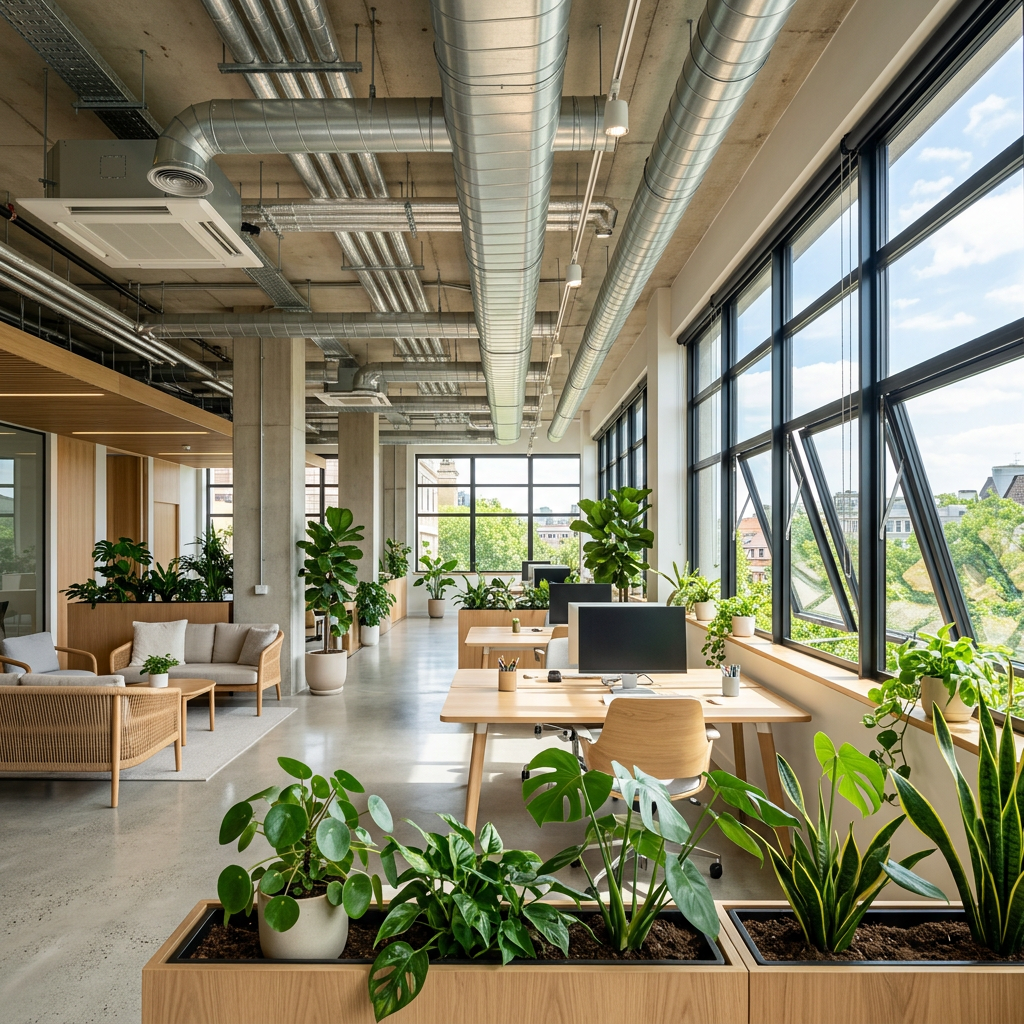
Maintaining a commercial office goes far beyond keeping the reception area presentable. For small to medium enterprise owners in Australia, the physical state of a workplace directly impacts employee health, daily productivity, and the overall bottom line. Recent data shows that absenteeism costs the Australian economy approximately $33 billion annually in lost productivity, while presenteeism, working while sick or distracted, drains an additional $35 billion. By implementing strategic facility maintenance, business owners can create a safer environment that keeps their teams thriving.
Understanding the True Cost of a Sick Workspace
The direct cost of absenteeism currently averages over $4,025 per employee each year. For many small businesses, this can represent up to eight percent of total payroll expenses. Australian workers now take an average of 11 to 14 sick days annually, which is a marked increase compared to pre-pandemic baselines. Much of this can be attributed to Sick Building Syndrome, a condition frequently triggered by poor indoor air quality, inadequate ventilation, and biological contaminants.
When a building suffers from Sick Building Syndrome, employees often experience widespread symptoms such as chronic headaches, unexplainable fatigue, and respiratory irritation. Under Safe Work Australia guidelines, persons conducting a business or undertaking have a legal duty to actively manage these health and safety risks, which explicitly includes monitoring indoor air contaminants.
Targeted Cleaning and Air Quality Management
Moisture control is one of the most neglected aspects of office maintenance. Common commercial areas prone to dampness include poorly ventilated staff breakrooms, office bathrooms, basement cellars, and HVAC systems. If left unchecked, airborne spores from these areas can quickly spread to secondary zones of the office. Prolonged exposure to airborne mould spores in commercial spaces is a well-documented cause of heightened allergic responses, worsened asthma symptoms, and localised immunity suppression among office workers.
To combat this issue safely, facility managers are increasingly turning to botanical solutions. For instance, using a commercial-grade Green Goo mould spray allows cleaners to break down established fungal growth on hard, non-porous surfaces without introducing harsh chemicals into poorly ventilated office spaces.
The Science of Non-Toxic Eradication
Traditionally, commercial cleaners have relied on heavy chemical bleaches to tackle bathroom and breakroom grime. However, these products release volatile organic compounds that linger in the air, directly compromising indoor air quality and causing chemically induced respiratory irritation.
Scientific analyses confirm that natural plant extracts provide a highly viable, non-toxic alternative. Clove oil contains eugenol, a bioactive compound with powerful, broad-spectrum antifungal properties capable of inhibiting multiple indoor mould species at very low concentrations. Similarly, tea tree oil is rich in terpinen-4-ol. This naturally occurring antimicrobial agent has been proven in laboratory research to physically disrupt the cell membranes of both fungi and bacteria, effectively neutralising toxic indoor hazards like black mould.
Practical Maintenance Steps for Office Managers
Creating a healthier office environment does not necessarily require a massive renovation budget. Business owners and facility managers can implement several straightforward strategies to immediately improve workplace conditions:
- Focus on ventilation: Ensure that windows can be opened where possible, and run exhaust fans in staff kitchens and bathrooms to cycle fresh air through the building.
- Audit damp areas: Regularly inspect spaces under sinks, around refrigerators, and near air conditioning vents for early signs of moisture buildup or water damage.
- Switch to botanical cleaners: Replace synthetic, chemical-heavy cleaning agents with natural alternatives to prevent the accumulation of volatile organic compounds in enclosed spaces.
- Schedule routine HVAC servicing: Have commercial air conditioning and heating systems professionally cleaned at least twice a year to prevent the circulation of dust and biological contaminants.
The Bottom Line on Workplace Health
Prioritising office maintenance is an investment in human capital. Data from the Green Building Council of Australia highlights that businesses investing in healthier, non-toxic building environments can reduce employee absenteeism by up to 45 percent. This single improvement can save almost three days of sick leave per worker every year. By addressing air quality, managing moisture effectively, and adopting safer cleaning protocols, small business owners can transform their offices into spaces where employees feel genuinely safe and supported. Ultimately, a clean and healthy workspace fosters a more focused, productive, and resilient team.
Discover more from The Cameron Journal
Subscribe to get the latest posts sent to your email.