
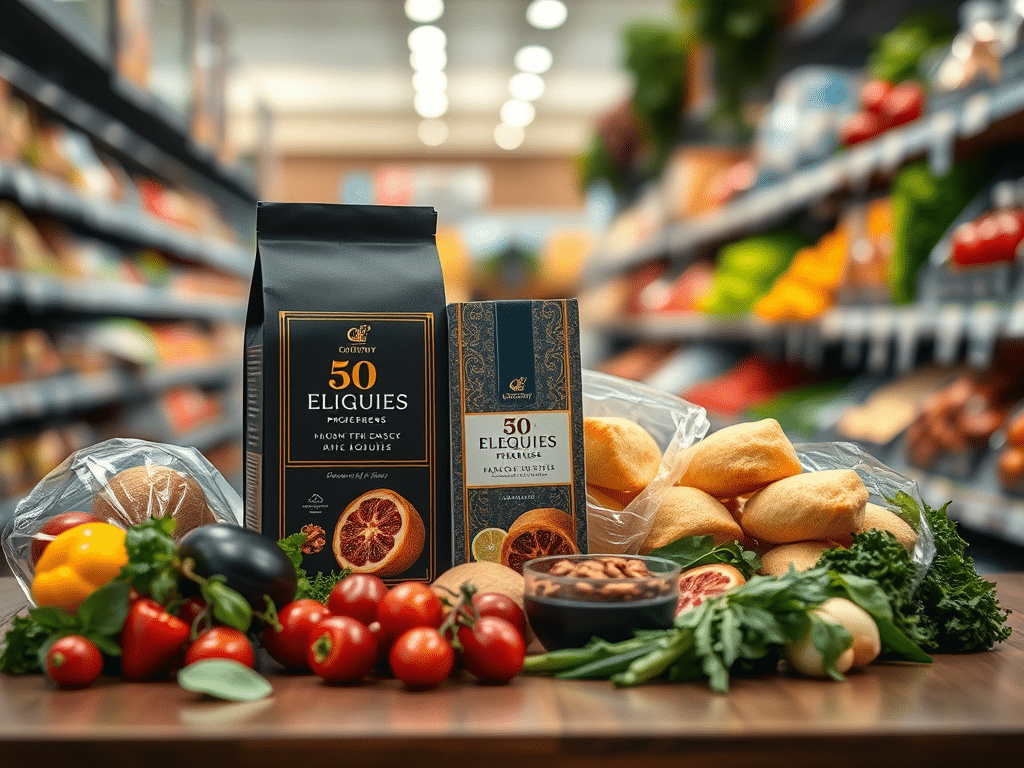
Upmarket food brands are the kind of brands we purchase when we want something a little luxury for dinner. When we want to cook with the best ingredients, and make sure the flavours we bring out are as strong as can be.
These brands tend to stand out on the shelves of the grocery store, in the way their bottles or boxes are shaped and colored. With just one look, you know the brand in question has a gourmet tinge to it.
And these brands tend to make some pretty good profit. They know their target audience and use this insight to some great marketing effect, bringing in good sales numbers and new leads on a regular basis.
So why not join their ranks? If you’re a foodie with a head for business, you could very well create the next best upmarket food brand.
If that sounds like an interesting prospect, here’s what you’ll need to think about.
Find Your Demographic
Knowing the fine details of your demographic is key to seeing your upmarket food products fly off the shelves. Why? Because luxury brands only exist when there’s a group of people out there looking for better.
You need to know the ins and outs of this group, and not just in terms of where they are and how they tend to shop.
You need to know why they want a brand like yours in the first place. What would make them turn away from the next brand down, that’s cheaper and more accessible? Why would they turn to you instead, over that sense of convenience and a taste that’s ‘good enough’?
This is where you can match your USP to the people most likely to be interested in hearing about it.
Remember, not every customer will be buying for the same reason, but most of them will have the same reason for turning to your brand when perusing the aisles.
Focus on Quality Ingredients
If you’re going to be selling a luxury product at a luxury price point, you’re going to need to use quality ingredients in the recipe! Only the finest, sustainably sourced ingredients should go into your product.
That’s part of the luxury ideal – people want to buy food items they know come from good places, and have done their part to lower the carbon footprint of their production. It’s what the current shopping generation associates with the upmarket side of the food sector.
Make Sure Your Packaging Stands Out
Upmarket food products look the part. Make sure yours does as well. You don’t want your product to look like every other item on the shelf; it needs to stand out in shape, size, and design.
Think about the colors you’re using and what they could suggest. Consider the patterns and textures in the design, and what they broadcast. And ultimately, think about whether or not your packaging will be able to catch the eye from afar.
Work Out the Logistics
An upmarket food brand has a lot to lose when it comes to smoothing out the logistics of getting their products to the store or the customer’s table.
You’ve invested a lot of time and money into experimenting with the right ingredients, and you could instantly tank this investment when working with the wrong shipping partner.
After all, transporting your food products in an efficient and fast way will retain the flavor profile, texture, and nutritional value, and ensure your products are still safe to eat when they arrive.
If the company you’re using cannot fulfil these requirements, your entire shipment could become worthless, unusable, and unsafe to sell. To avoid this, you need your logistics provider to have the right equipment and knowledge for transporting products like yours.
As such, it’s best to find premium professional & reliable temperature controlled transport for high value, high risk and time sensitive industries for the job.
Remember, with something as sensitive as edible food products, a guarantee of climate control means your products are more likely to go from A to B without any trouble at all.
Market with a Narrative
Most food brands have an origin story. Think about Coca Cola and Kellogs, for example; they have long histories and aren’t shy in sharing them. It’s part of their branding, and helps to keep the market interested in buying from them.
When it comes to an upmarket, more luxury food brand like yours, this narrative matters more than ever. You need to have a story behind your creation; why did you feel this food product was necessary to make? What made you want to put it on the shelves?
Perhaps a lack of quality in the market alternatives? Or maybe you wanted something that had more of a flavor punch? Once again, this is where you can let your USP shine through.
Indeed, if you can talk about these elements in your marketing materials, you can appeal to those buyers out there who are looking for a product like yours for the exact same reason!
And not only do you need a story behind your creation. You need to have all the necessary information regarding your price point right there for people to see too. Narrative marketing makes this easier to provide, as it’s the quality guarantee shoppers will be looking for.
Creating an Upmarket Food Brand: What to Remember
Are you the kind of foodie who’s got a great idea for a luxury product? Then you could be well on your way to designing the next best food brand ready to hit the stores.
Just keep in mind that the products you create need to carry that sense of luxury in everything they offer.
From the packaging design to the ingredients you use to the way you transport your shipments, there needs to be an extra degree of carefulness in the choices you make.
And when it comes to finding the right customer for your upmarket foodie goodness, remember that the specifics matter!
Discover more from The Cameron Journal
Subscribe to get the latest posts sent to your email.




