

Key Takeaways
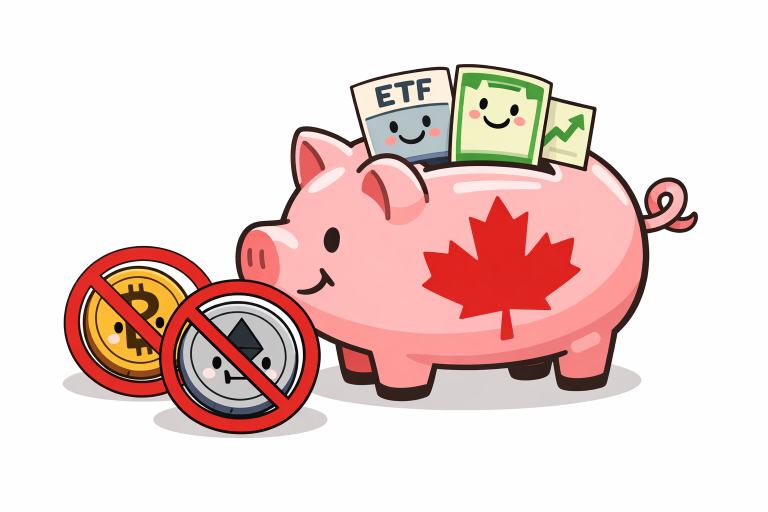
- Canadian regulations do not currently permit direct holdings of cryptocurrencies in a TFSA.
- Exposure to crypto can be obtained through ETFs and publicly traded blockchain companies within a TFSA.
- Investors must understand the rules, risks, and tax implications involved in crypto-related TFSA investments.
Table of Contents
- Understanding the TFSA
- Can You Hold Crypto Directly in a TFSA?
- Alternative Ways to Gain Crypto Exposure in a TFSA
- Risks and Considerations
- Tax Implications of Holding Crypto in a TFSA
- Future Outlook: Will Direct Crypto Holdings Be Allowed in TFSAs?
- Conclusion
As cryptocurrencies like Bitcoin and Ethereum continue to gain traction among investors, Canadians are increasingly interested in incorporating digital assets into their portfolios. However, the question of whether you can hold crypto in a Tax-Free Savings Account (TFSA) remains a common topic of discussion. This article clarifies current regulations, outlines alternative options, and explores key considerations for Canadians looking to add crypto exposure to their TFSAs. For those who want to learn more about the practical steps involved, see this helpful overview on buying crypto in a TFSA. It is also important to understand how platform restrictions and account rules may limit direct ownership of digital currencies within registered accounts.
Understanding the intersection of digital assets and tax-sheltered accounts is crucial for making informed investment decisions. TFSAs are popular because they offer tax-free growth on a broad range of investments. Still, specific rules apply to what assets are allowed, so assessing what’s permitted is the first step before adding crypto to your strategy as a Canadian investor.
Understanding the TFSA
The Tax-Free Savings Account (TFSA), launched in 2009, is designed for Canadian residents aged 18 or older. TFSAs allow individuals to contribute after-tax dollars, with all investment income (interest, dividends, and capital gains) protected from taxation, even upon withdrawal. This unique structure gives investors flexibility and the potential for an efficient, long-term savings strategy that supports both conservative and growth-oriented portfolios.
With annual contribution limits subject to change (as set by the federal government), unused contribution room can be carried forward indefinitely. This makes TFSAs a powerful vehicle for Canadians seeking to maximize returns and minimize their overall tax burden on investment income.
Can You Hold Crypto Directly in a TFSA?
Under current Canada Revenue Agency (CRA) rules, TFSAs may hold only “qualified investments,” such as cash, guaranteed investment certificates (GICs), certain bonds, mutual funds, and securities listed on designated stock exchanges. Cryptocurrencies like Bitcoin, Ethereum, and other similar digital assets do not qualify as qualified investments. As a consequence, it is not permitted to hold crypto assets directly in a TFSA account.
If investors attempt to include non-qualified investments such as direct cryptocurrency holdings in a TFSA, they could face significant penalties. These include taxes equal to 50% of the fair market value of the non-qualified investment, alongside any additional earnings from the period it was held within the account.
Alternative Ways to Gain Crypto Exposure in a TFSA
Even though direct crypto holdings are off-limits, Canadians can gain exposure to digital assets through a variety of eligible investment vehicles in their TFSAs.
Cryptocurrency ETFs
Canadian investors have access to several publicly traded cryptocurrency ETFs (Exchange-Traded Funds) that track the value of assets like Bitcoin and Ethereum. Since these ETFs are listed on recognized Canadian exchanges, they qualify as eligible TFSA investments. Examples include the Purpose Bitcoin ETF (BTCC) and the Purpose Ether ETF (ETHH), both of which offer straightforward, regulated ways to benefit from the price movement of major cryptocurrencies without holding the underlying assets directly.
Blockchain and Crypto-Related Stocks
Another way to gain indirect exposure is to invest in companies whose business operations are connected to blockchain technology or the crypto economy. Firms such as Hut 8 Mining Corp. and HIVE Blockchain Technologies Ltd. are actively involved in cryptocurrency mining and blockchain solutions; their stocks are publicly listed and TFSA-eligible. Through these investments, Canadians can participate in the sector’s growth while benefiting from TFSA tax advantages.
Risks and Considerations
Crypto-related investments, even within regulated vehicles such as ETFs and public stocks, pose unique risks for TFSA holders.
- Market Volatility: Digital asset prices are subject to large and unpredictable swings, which can impact returns in both positive and negative ways.
- Fees: The management fees for cryptocurrency ETFs or blockchain-focused mutual funds are generally higher than those for broad-market ETFs or traditional mutual funds.
- Regulatory Risks: Laws and financial regulations around cryptocurrencies and related products are still evolving. New legislation could affect the future eligibility or performance of crypto-linked TFSA investments.
Tax Implications of Holding Crypto in a TFSA
One advantage of using a TFSA is the ability to shelter gains from Canadian taxes, making it an ideal vehicle for growth investments. Gains from qualified investments, such as crypto ETFs or blockchain stocks, are not taxed in a TFSA, which can support compounding over the long term. However, the CRA may reevaluate the status of TFSA contributions and trigger taxes if the account is used for frequent or business-like trading activity. Ensuring all investments meet the qualified requirements is vital, as errors can result in costly penalties.
Future Outlook: Will Direct Crypto Holdings Be Allowed in TFSAs?
The cryptocurrency regulatory environment in Canada is rapidly evolving. While it remains uncertain whether direct crypto holdings will ever be eligible for TFSAs, continued innovation in financial products (such as ETFs and funds) allows investors to stay engaged with crypto markets in a compliant way. Legislative developments could eventually increase flexibility for Canadian investors, so it’s important to stay informed and seek up-to-date advice from financial professionals as the landscape changes.
Conclusion
While Canadian investors cannot currently hold cryptocurrencies like Bitcoin and Ethereum directly inside a TFSA, there are effective alternatives through ETFs and eligible stocks for those seeking exposure to the digital asset space. By understanding and following CRA regulations, Canadians can grow their investments tax-free and remain compliant. Always consider the unique risks and regulatory changes, and ensure you invest in qualified products to protect your assets and maximize your TFSA’s potential.
Discover more from The Cameron Journal
Subscribe to get the latest posts sent to your email.




.)