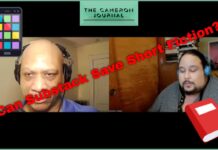
When I started my writing journey in 2005, I wanted to be referred to with fancy words like “essayist” and “author.” It seems oh-so-very superficial now. In this interview and video, I talk about my writing journey and how I became a writer and how I reached beyond the superficial ideas I had about being a writer and really dug into the business and method of doing the work.
Why did you want to be a writer?
I had some pretty romantic notions about writing.
I read every book about writing I could get my hands on.
I had many false starts, I didn’t understand the industry, hell I didn’t understand how the world worked.
Why writing your first book is so damn hard
Writing is hard no matter how you cut it. Finishing any project to completion is a huge lift. When I was finishing The Sweetgrass Saga, it was at the end of my MFA program, I got sick right after residency and lost a week and had to complete about 50k words in three weeks. It took 5, I had to get an extension on that deadline. This involved writing 4-5 hours a day on top of The Cameron Journal. I didn’t unpack for a week, the dishes piled up, I think I had enough pizza boxes that people thought I was running an illegal pizza shop or something. It was a huge lift. There is so much to finishing. You have to tie up all the loose ends and get all the characters to where they belong.
Finishing non-fiction is easier but none the less daunting because you have to put down everything that you want to say. There’s sources to check, quotes to check and the writing must be tight.
How Do You Handle Writer’s Block?
I am blessed that I rarely have true writer’s block. If I’m having trouble with a project it’s usually because there is a problem with the plot or the story and once I make that breakthrough then I’m home free. But I do believe in getting something out. Sometimes I just write out ideas and that leads to actual prose.
What’s Your Process?
I used to write long hand, I switched to an all digital process a few years ago. It was quite an adjustment. There are moments I miss writing it all out but I don’t miss spending hours transcribing it all into the computer.
Outlining and storyboards
Why did you give up on Trad publishing?
I did until I didn’t. I’m working with a small press publisher right now but I published my first three books myself.
Opening my own little press of one
The publication process
Challenges with all things agents and publishers (its a long and involved process)
What has writing taught you?
For me writing is very healing. It’s how I work things out. Sometimes that gets published for public consumption and sometimes it doesn’t.
Great writing has the power to give us empathy and put us into other people’s shoes and I don’t care what kind of writing it is. Exploring other lives and possibilities makes us better humans.
What Does Writing Mean To You Now?
Many things: its part of who I am, it a world of possibility.
Most people would be shocked to hear that I don’t actually like writing that much. It’s very hard, it takes a long time. I can write a song in an afternoon, a novel takes years and I’m pretty fast and it still takes at least 6 months, even for the genre folks. It’s intense and time consuming. It is hard to write if your life is really crazy. This affects women a great deal. I was listening to a masterclass with Margaret Atwood and she was talking about how she had to write around kids and now has to work around her grandchildren. I really struggle if my schedule is too crazy or there is too much else going on. I can sit down for 5 hours and if I get 2k words out of it then I’m proud. This is often why people say to write in the morning. I like to write in the night, personally but it can be hard to put that brain power into play after a full of day of podcasts, appearances, and general life. Fran Leibowitz has the right idea, write two books, get famous and then write nothing for 30 years and just talk about stuff. That’s the ticket I think, nice work if you can get it.
You never wanted to get an MFA and now you have one, why the change?
I was long against MFA programs. I didn’t think they had anything to offer. I read a book called the Pocket MFA and thought that I was good. My reasons for getting an MFA were purely economic, there were more options in terms of jobs, projects, and opportunities with a terminal degree in hand. I already had a Masters in another field and so this was my second grad school experience.
I struggled. Everyone had more passion than me, they had been english undergrads, I had taken two english classes in undergrad. I was really starting from scratch, nothing. I was fully prepared to wash out the first week and my great friend Liz Williams in the UK told me that the only way she got through her PhD was through “sheer bloody mindedness” and so I decided that I had to decide I was going to finish. It was perilous.
It is not easy. I love the low residency model but I realize that’s not sustainable for everyone.
What is one thing you wish someone had told you about writing?
I wish I had known how the industry was changing. I don’t think anyone quite knew what that meant. But the reality is that there are far fewer jobs and opportunities to get published for real money than before. Much of the development of writers happens on digital publishing platforms where there isn’t any monetization to speak of. It takes a long time to get paid. I also wish I knew how long it would take to get my career off the ground.
What the best books on Writing?
Putting the fire in your fiction by Donald Maas
What makes a good story?
A good story has a nice arc to it. There’s events that happen that change people and either reinforce who they are or change them. There’s a shape to a good story that keeps you guessing and turning the page. We want to find out what is next because we’ve invested in the people. One of the things I learned early on was that I had to be character driven in order to succeed in writing. I liked writing about settings and situations far more than I like writing about people but that little bit of advice changed my writing.
What is the Power of Story?
You mean besides my new coaching and course program? Humans live in story, it’s how we process reality. We see things that happen and make up a story about them. That’s the foundation of religion and mythology. Before the scientific method and all that, all we had was story and for most people today, we still live in that story. We have the story of our lives, we have the story of society and what is going on around us.
What is you primary job as a writer?
To be a student of people
To research and get understanding
Pass on understanding to others in an accessible way. I’ve always wanted everyone to enjoy what I do whether that news coverage or fiction. I like writing stuff that anyone can get into.
Discover more from The Cameron Journal
Subscribe to get the latest posts sent to your email.