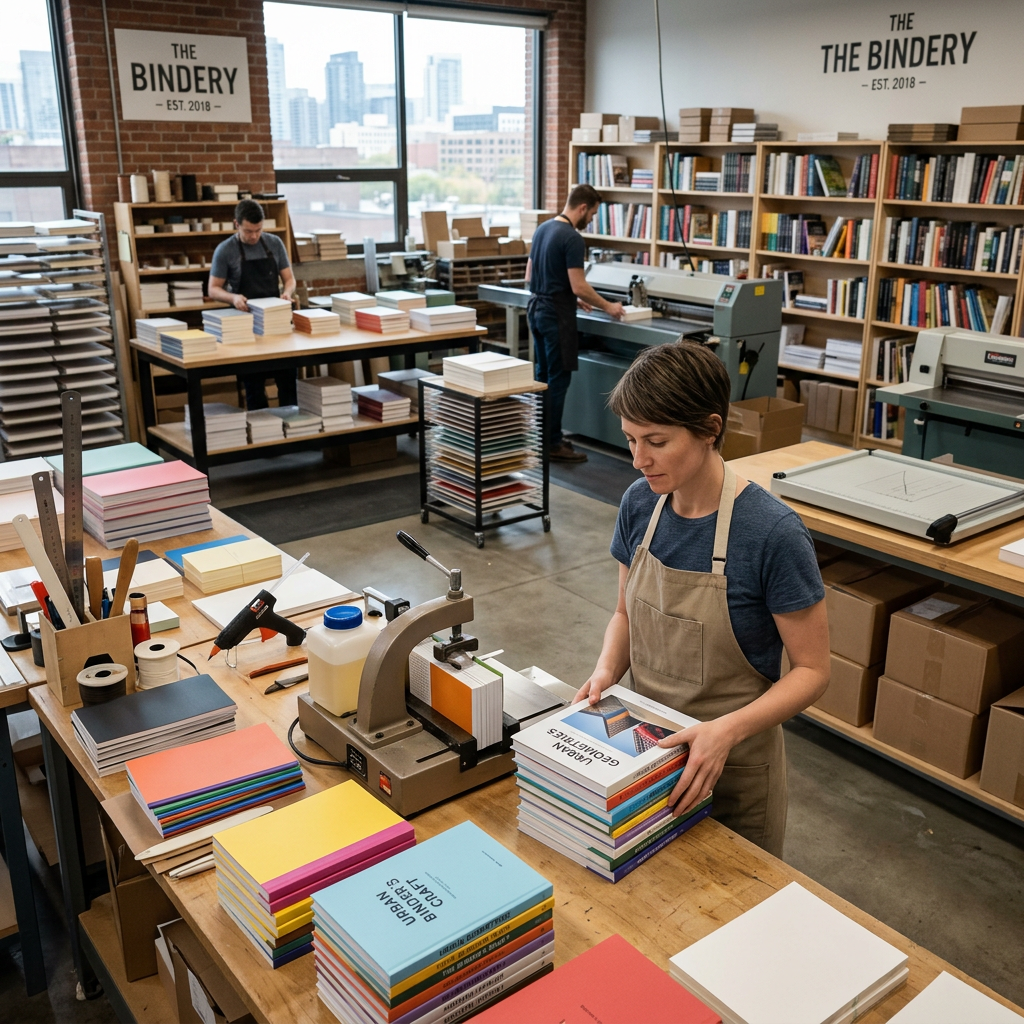
Key Takeaways
- Perfect binding remains a preferred method due to its durability and professional look.
- Innovative adhesives and binding techniques are increasing the longevity and usability of perfect-bound books.
- Sustainability is a growing priority with more publishers embracing recycled materials and localized production.
- Digital printing and on-demand production enable affordable short runs and personalization.
Table of Contents
- Advantages of Perfect Binding
- Sustainability in Perfect Binding
- Perfect Binding and Digital Printing
- Technological Advancements in Perfect Binding
- Impact on Independent Publishers
- Future Trends in Perfect Binding
- Conclusion
Perfect binding has long established itself as a cornerstone of modern publishing. This binding method offers unmatched durability and an elegant professional look, making it the go-to option for everything from novels and catalogs to corporate manuals. As publishers adapt to market shifts, sustainable demands, and new technologies, the role of perfect binding is growing more central. For businesses in need of high-quality, cost-effective, and visually appealing booklets, strong custom booklets for your business are a proven solution for making a memorable impact on clients and readers alike.
The future of perfect binding is shaped by advancements in adhesives, greener practices, and rapid changes in digital printing. These trends not only ensure longer-lasting products but also broaden access to professional-grade publishing for independent creators and small businesses. Whether you are an established publisher or a self-publishing author, understanding the direction of perfect binding will help you make informed decisions in a competitive, evolving marketplace.
In particular, technological refinements like PUR (polyurethane reactive) glue and hinge scoring are setting new industry standards. These methods help prevent common issues such as cracked spines or covers, resulting in a more polished final product that stands up to frequent handling. In tandem, environmentally conscious material choices further drive the industry toward responsible production and reduced carbon footprints.
Alongside these shifts, the integration of digital printing and automation is transforming both short-run and high-volume projects. This opens doors for independent publishers, allowing greater flexibility and customization while managing costs and demand.
Advantages of Perfect Binding
Perfect binding has established its reputation by providing clear benefits for publishers, both large and small. The process produces a clean, square spine that delivers a professional appearance and easy stacking for retail shelves or home libraries. This aesthetic appeal is a major factor for publishers in competitive markets.
- Professional Appearance: With crisp edges and smooth spines, perfect-bound books elevate the perceived value of the finished product.
- Cost-Effectiveness: For medium and large print runs, perfect binding is more affordable than case binding, balancing price with robust results.
- Versatility: From literary novels to annual reports, perfect binding adapts to varying content lengths and paper types, making it suitable for a wide range of applications.
Sustainability in Perfect Binding
The rising importance of eco-friendly practices is unmistakable in publishing. Publishers prioritize recycled paper stocks and biodegradable adhesives to minimize their environmental footprint. Many are also leaning toward localized printing solutions to reduce transportation emissions, supporting both the planet and local economies.
- Eco-Friendly Materials: Recycled or responsibly sourced paper, along with newer adhesive formulas that break down without harming the environment, are commonplace.
- Local Production: Printing facilities closer to customers mean faster delivery, reduced shipping emissions, and support for regional businesses.
Perfect Binding and Digital Printing
Digital printing is a game-changer for perfect binding. It enables publishers to easily accommodate short print runs—eliminating the need for large, costly inventories. This approach not only streamlines the production process but also supports print-on-demand services that fulfill orders quickly with minimal waste.
- Short-Run Production: Digital presses enable printing as few as 1 or a handful of copies at a time, ideal for self-publishers, educational institutions, and specialized businesses.
- Customization: Digital workflows enable personalized content, such as unique covers or customer-specific materials.
To understand more about the long-term impact of digital printing across different industries, review this comprehensive article from Forbes.
Technological Advancements in Perfect Binding
Continuous innovation keeps perfect binding relevant. PUR glue, for example, offers flexibility and superior adhesion, allowing bound books to open wider without splitting. This solution is especially beneficial for publications that are frequently or long-term used. Hinge scoring, another recent improvement, creases the cover near the spine for easier opening and reduced cracking, an essential upgrade for high-quality magazines and workbooks.
- PUR Adhesive: Lasting longer and withstanding more rigorous usage than its predecessors, PUR is popular for photo books and heavy-duty publications.
- Hinge Scoring: Improved ease of use and longevity for perfect-bound items, making them friendlier for everyday handling.
For further reading on how technology is revolutionizing print, check out resources on HP’s official site, which often cover advances in printing and binding technologies.
Impact on Independent Publishers
Perfect binding technology helps independent publishers compete. Lower setup costs and the ability to print smaller quantities reduce entry barriers, allowing authors and small presses to reach niche markets affordably.
- Affordability: Reduced costs make professional publication a possibility for one-person operations, indie presses, or small organizations.
- Flexibility: Short-run options mean that test marketing a new title carries less financial risk, encouraging innovation and diversity in published titles.
Future Trends in Perfect Binding
Several clear trends are shaping the next chapter of perfect binding. Seamless integration with digital platforms will ease workflows from manuscript to finished product. Continued development of strong adhesives and refinements in process automation will deliver longer-lasting, higher-quality books while trimming costs and turnaround times.
- Integration with Digital Platforms: Connecting content creation with print workflows streamlines publishing, supporting real-time revisions and efficient production scheduling.
- Enhanced Durability: Ongoing improvements in glue and cover design ensure that perfect-bound books retain their value, even with frequent handling or long shelf-lives.
- Increased Automation: Machine learning and smarter automation tools will enable faster, more precise binding at every scale, benefiting both publishers and readers through greater consistency and value.
Conclusion
Perfect binding remains one of the most valuable and adaptable options for modern book production. Ongoing innovation, environmental responsibility, and the influence of digital printing are together ensuring its lasting relevance. As the industry moves forward, perfect binding’s blend of affordability, versatility, and professional quality positions it as an essential solution for publishers of every size.
Discover more from The Cameron Journal
Subscribe to get the latest posts sent to your email.