
Image Credit: Unsplash
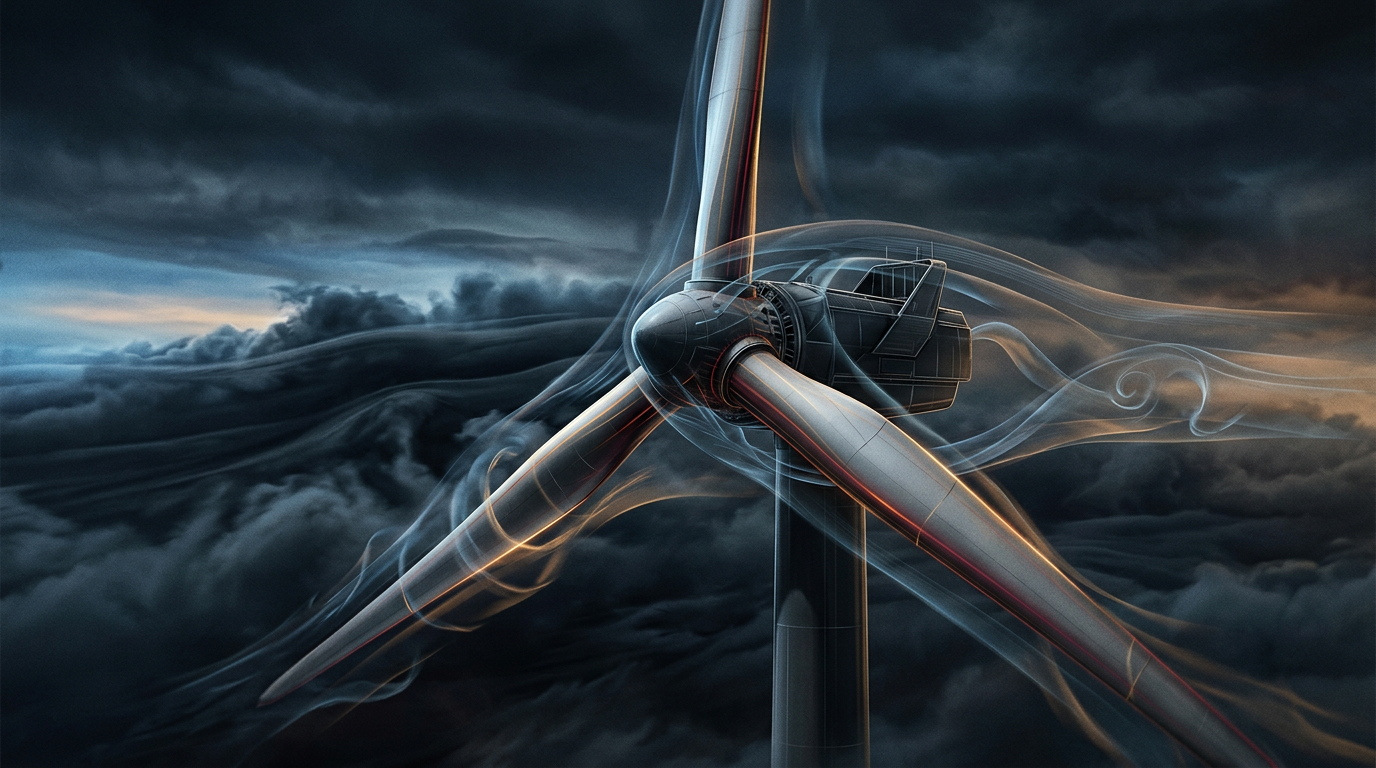
Wind turbines are reaching heights and power ratings that would have seemed improbable a generation ago. Larger machines can capture steadier winds and produce more electricity from each installation, but their scale also changes how structures, materials and electrical systems behave. Components face loads that are harder to model, while repairs become more complicated and costly.
Engineers now need to treat turbine growth as a reliability challenge as much as a capacity opportunity.
The Race for Massive Generator Capacity
Developers favor larger turbines because each unit can generate more electricity, reducing the number of foundations, cables and service points required for a project. The global installation surge adds pressure to deploy high-capacity models quickly, particularly at offshore sites where construction costs are substantial.
Yet turbine designs can grow faster than the operating data available to validate them. A model may enter production after years of simulation and prototype testing but still lack evidence from decades of field use. Operators should examine certification assumptions, component replacement plans and warranty terms before selecting the highest available rating.
Aerodynamic Stresses at Record Heights
Longer blades sweep a much larger area, but different parts of that area can encounter different wind speeds. A blade tip may pass through strong airflow while its lower section experiences turbulence or slower wind. This uneven loading causes repeated bending and twisting through millions of rotations.
The industry’s debate over offshore turbine size reflects concerns about material fatigue and design limits. Small changes in blade stiffness, control timing or surface condition can become significant at extreme scale. Engineers can reduce uncertainty through strain monitoring, regular blade imaging and software that adjusts operation when unusual vibration appears.
Severe Weather and Atmospheric Discharges
Tall structures naturally face greater exposure to storms and atmospheric electrical activity. Turbine blades present a particular challenge because they move rapidly, contain multiple materials and may develop surface wear that changes the intended discharge path. Damage can remain hidden beneath coatings even when the turbine continues operating normally.
Operators reviewing why the lightning problem for wind turbines is getting worse can see why inspection records and protection-system testing deserve attention after severe weather. A sensible response includes checking receptors, internal conductors and bonding points instead of relying only on visible surface marks. Drone images can identify suspicious areas, while electrical testing helps determine whether the designed path remains intact.
Balancing Turbine Scale with Durability
A larger turbine may improve project output while concentrating more production in a single machine. When that unit stops, the lost generation can be greater and a suitable replacement component may take months to obtain. Specialized vessels, cranes and trained crews can also limit repair schedules offshore.
Project teams should compare expected energy yield with realistic downtime costs. That assessment needs failure-rate estimates, local weather windows and access to major components. Contracts should clearly assign responsibility for recurring defects and define the evidence required for warranty claims. Conservative operating modes during extreme conditions may slightly reduce short-term output but can protect components from loads that shorten their service life.
Practical Maintenance in Harsh Environments
Maintenance plans must account for access limits before a turbine begins operating. Offshore crews may have only a few suitable days to complete an inspection, while remote land-based sites can face ice, heat or difficult roads. Delaying a minor repair can allow moisture intrusion or fatigue damage to spread.
Operators can prioritize work using condition-monitoring data, oil analysis, thermal images and close visual inspections. A useful schedule combines frequent remote review with targeted physical checks after storms or abnormal alarms. Teams should also retain consistent photographs, test results and service notes for each turbine. Those records help engineers identify repeat failures and support technical claims when responsibility is disputed.
As turbines continue to grow, the most valuable maintenance record may be the one that reveals a small change before it becomes a major repair. Scale rewards early detection because every avoided outage preserves more generating capacity.
Discover more from The Cameron Journal
Subscribe to get the latest posts sent to your email.