
Key Takeaways
- Performing regular inspections and addressing minor leaks can prevent major water-related disasters.
- Properly insulating and heating your home helps protect pipes from freezing and bursting in winter.
- Maintaining household appliances and plumbing connections reduces the risk of leaks.
- Water detection devices can provide crucial early warnings of leaks or flooding.
- Knowing your insurance coverage can save you from unexpected out-of-pocket costs.
Table of Contents
- Regular Inspections and Maintenance
- Protecting Pipes from Freezing
- Appliance Maintenance
- Gutter and Downspout Maintenance
- Landscaping and Drainage
- Installing Water Detection Devices
- Understanding Insurance Coverage
- Conclusion
Water damage can quickly spiral out of control, turning a small leak into a major disaster for any homeowner. Not only can it lead to expensive repairs, but it also poses health risks from mold and mildew. To protect your property and ensure your family’s safety, understanding best practices for preventing water damage is crucial. If you need professional intervention or are facing an emergency, click here for expert water restoration services.
Being proactive is the key to safeguarding your home against leaks, flooding, and the silent spread of water damage. Regular maintenance, seasonal precautions, and the use of technology are all essential strategies. Taking these steps can ultimately save you time, money, and stress, while helping you maintain your home’s value.
Taking the time to educate yourself on these measures will help you avoid the headaches and hazards associated with water damage. By integrating prevention into your routine home care, you build resilience and peace of mind for years to come. It also ensures that if the unthinkable does happen, you have a plan to respond quickly and limit the cost and scope of any repairs.
For a deeper dive into maintaining your home, the United States Environmental Protection Agency offers thorough resources on mold prevention and cleanup, which are vital components in the battle against water damage.
Regular Inspections and Maintenance
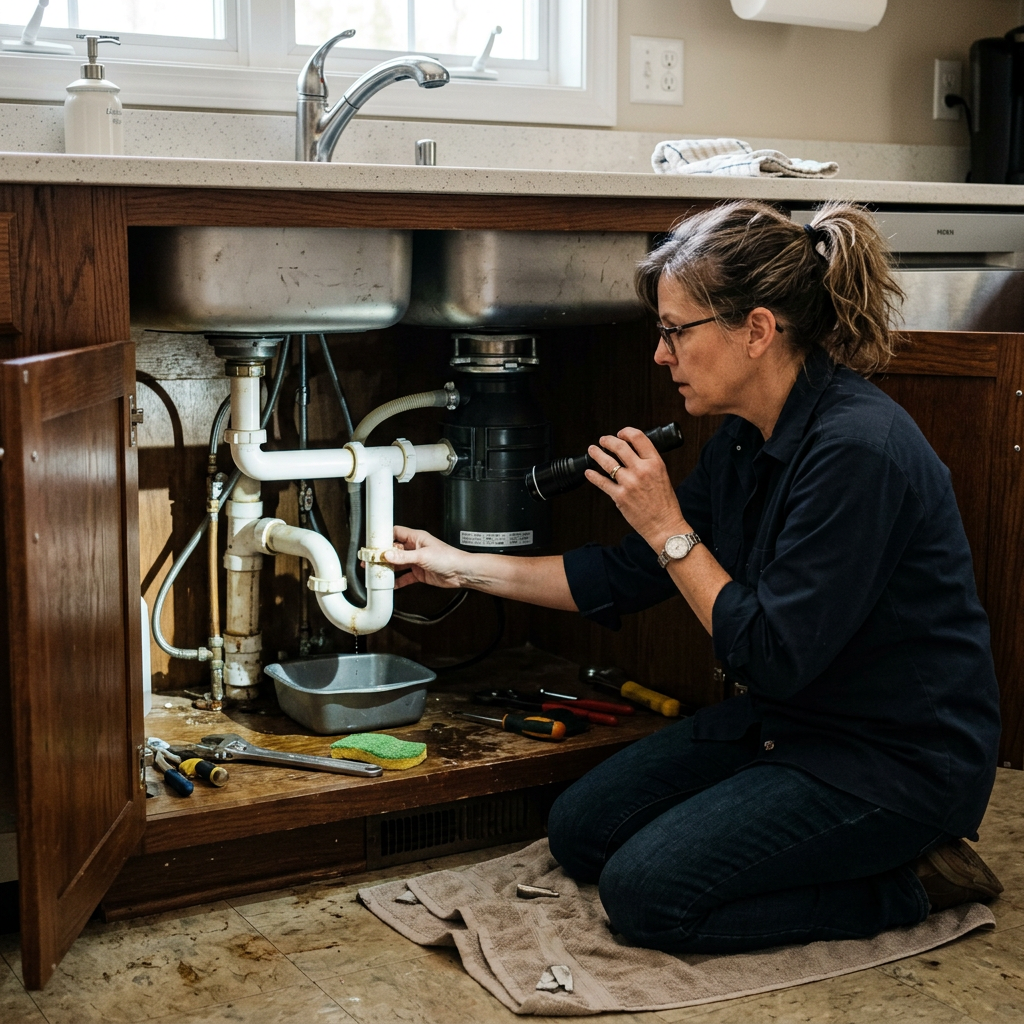
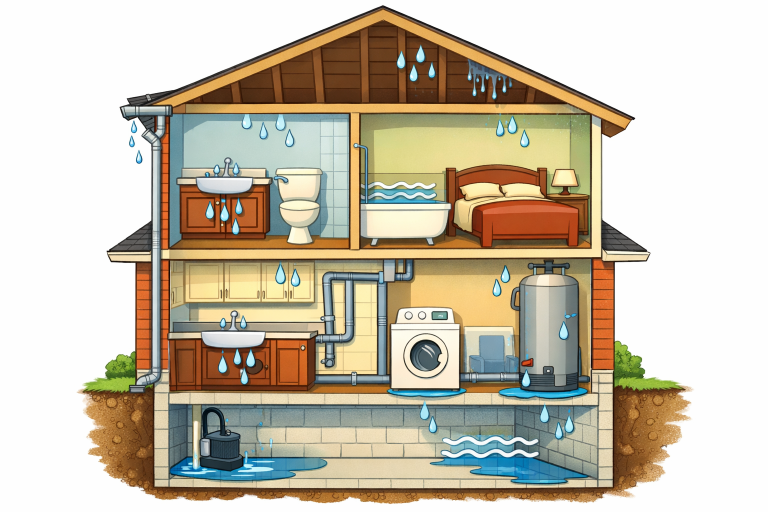
Routine inspections are essential for catching small problems before they become significant. Pay attention to areas where leaks are most likely to start, such as under sinks, around toilets, and near water heaters. Look for damp spots, mold growth, and any fluctuations in your water bill as early warning signs of trouble. If you notice even minor issues, prompt repair is vital to minimize damage and avoid future headaches. Regularly checking your plumbing and related systems can be as important as inspecting your roof or foundation.
Protecting Pipes from Freezing
Frozen pipes are a common cause of burst pipes in colder climates, leading to immediate and often severe water damage. The best way to prevent this is to keep your home’s temperature above 55°F, even when you are away. Insulate any pipes in unheated areas such as basements, attics, or garages. Consider using pipe sleeves or wrapping for additional protection. In especially cold weather, allow faucets to drip slightly. This keeps water moving, reducing the likelihood that pipes will freeze.
Appliance Maintenance
Many hidden leaks originate from common household appliances, such as washing machines and dishwashers, or from aging hot water heaters. Inspect hoses, valves, and connections at least twice a year for cracked, brittle, or bulging lines. Replacing standard rubber hoses with stainless-steel-braided versions provides increased protection. Additionally, schedule regular maintenance in accordance with manufacturer recommendations. Replace appliances that are approaching the end of their recommended lifespan, as even reliable appliances eventually fail.
Gutter and Downspout Maintenance
Gutters and downspouts play a crucial role in directing water away from your home’s foundation. Clogged gutters can cause overflow, leading to erosion, leaks, and eventual foundation issues. Clean your gutters at least twice annually; spring and fall are ideal. Check for debris and ensure that downspouts discharge water at least 5 feet from your home. Gutter guards can help prevent clogs and reduce maintenance. Regular cleaning and inspection are your first line of defense against basement flooding and structural water intrusion.
Landscaping and Drainage
The way your yard is graded affects how water flows around your home. Ensure the ground slopes away from your foundation to help prevent pooling and seepage. When necessary, install French drains or extend your downspouts to direct water away from your house. Avoid planting trees and large shrubs close to the foundation because their root systems can contribute to cracks and create pathways for water intrusion. Proper landscaping can greatly reduce your risk of water damage year-round.
Installing Water Detection Devices
Installing water detection devices is a smart way to catch leaks or flooding before they cause serious harm. Place these sensors under sinks, near appliances, or in basements where leaks are most likely. If moisture is detected, these devices emit an alarm, offering early warning and time to respond. Smart water detectors can even send real-time alerts to your smartphone, keeping you informed wherever you are. For more on choosing advanced home-safety technology, check out this Consumer Reports guide.
Understanding Insurance Coverage
Homeowner’s insurance is essential, but not all policies automatically cover every type of water damage. Standard coverage typically excludes flood damage, gradual damage, and negligence, so review your policy carefully. You may need to add riders or special flood insurance to get full protection. Speak with your insurance provider to clarify what is and is not covered, and keep comprehensive documentation of your home’s state and all repairs. For a list of exclusions and tips on policy review, refer to this Kiplinger article.
Conclusion
Preventing water damage hinges on proactive habits and informed choices. By taking these approaches seriously, routine inspections, insulating pipes, maintaining appliances, caring for gutters, improving landscaping, installing sensors, and knowing your policy, you can protect your investment and safeguard your family from the financial and health-related burdens of water damage. Prioritize prevention, stay vigilant, and enjoy peace of mind knowing your home is shielded from water’s hidden dangers.
Discover more from The Cameron Journal
Subscribe to get the latest posts sent to your email.




