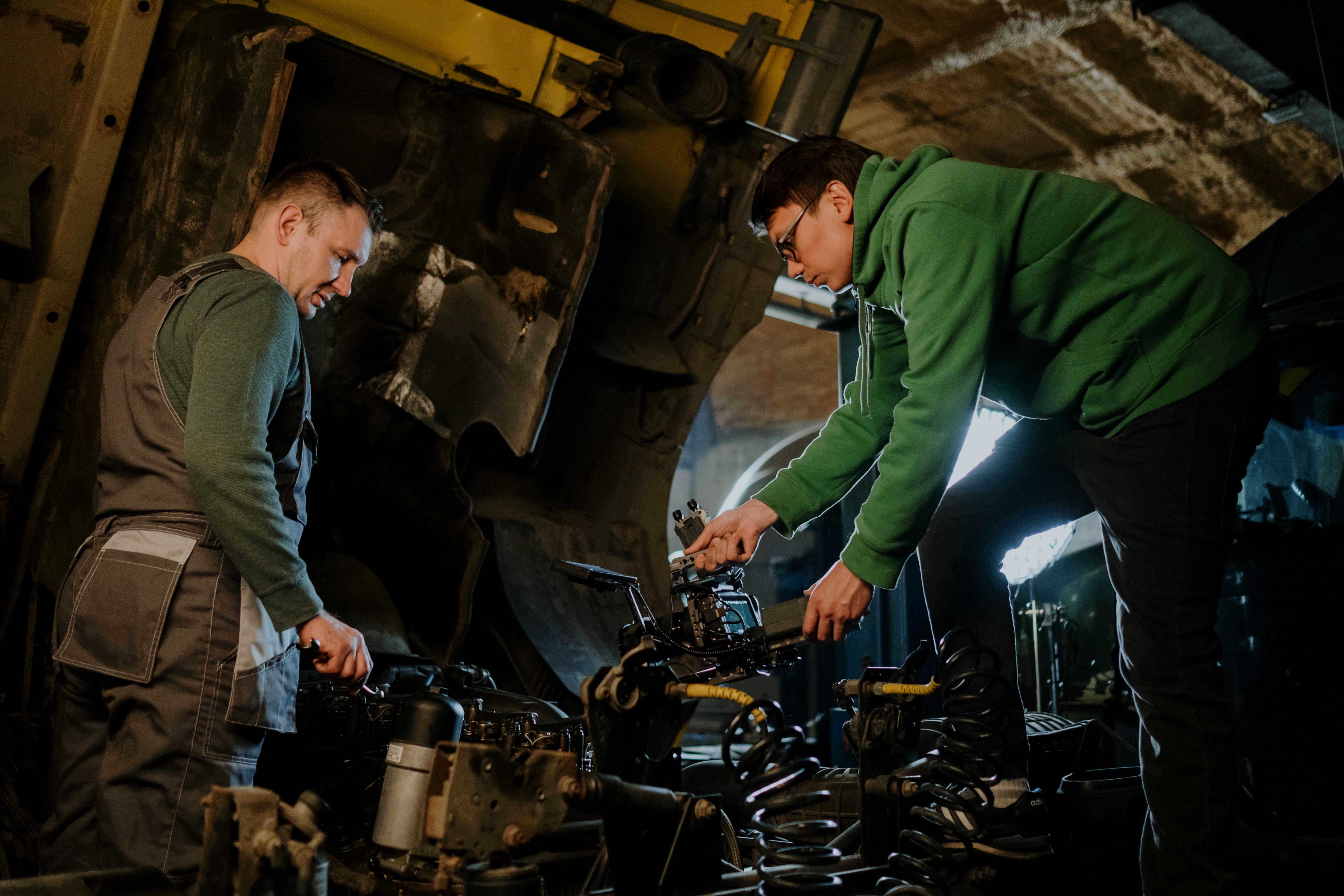

Image Credit: Pexels
Modern industry loses money, materials and valuable knowledge when repairable equipment is discarded too early. Replacement can look efficient on a spreadsheet, especially when purchasing is separated from maintenance. Yet longer lead times, rising waste costs and fragile supply chains are exposing the limits of that thinking. A repair-first philosophy offers a practical alternative. It treats machinery and products as systems with recoverable value, while giving technicians the time, information and authority needed to keep components working safely.
The Disposability Trap Across Industries
Disposability extends far beyond consumer electronics. Factories replace control modules because documentation is unavailable, construction operators retire assemblies after one component fails, and offices discard devices that need a modest fix. Each decision may seem reasonable in isolation, but the combined cost includes wasted materials, procurement delays and repeated training.
Regular equipment maintenance also helps businesses avoid unnecessary replacement decisions by identifying developing faults before they cause more serious damage. Following practical equipment maintenance steps can help keep essential machinery available for longer.
The right to repair movement shows how access to parts, manuals and suitable tools can reduce electronic waste. Industrial businesses can apply the same principle by recording why assets fail, checking repair options before approving replacement and including serviceability in purchasing criteria. A cheaper machine may become expensive if sealed assemblies or unavailable parts shorten its useful life.
Restoration as an Ethical Standard
Repair becomes an ethical practice when a business recognises the labour, energy and raw materials already invested in an asset. Restoring that asset preserves more of this value and reduces demand for another manufacturing cycle. It can also support local technical skills and protect organisations from overseas supply disruptions.
Research framing repair as value co-creation highlights the role of shared knowledge between designers, technicians and users. Companies can put that idea into practice through repairability targets, accessible service documents and feedback channels that send recurring fault data back to engineering teams. Ethical restoration still requires clear limits. Equipment with structural damage or unresolved safety issues may need retirement, but that decision should follow evidence and inspection instead of habit.
Precision Engineering and Component Health
Successful restoration depends on measurement. A hydraulic assembly may lose performance because of contaminated fluid, worn seals, damaged bearings or incorrect pressure settings. Replacing the entire unit without finding the cause can waste a serviceable core and leave the original fault elsewhere in the system.
For heavy equipment owners, final drive repair can help restore machinery when faults affect its travel system. A proper assessment can identify whether the problem involves worn internal components, hydraulic issues or other damage, and whether repair is a practical alternative to replacement. Specialist repair services may include component inspection, diagnostic evaluations, replacement parts and performance testing before the equipment returns to work. The decision should depend on the condition of the unit and the results of the inspection.
Component health records make this work easier. Track operating hours, temperature changes, vibration trends and previous repairs in one place. That history helps maintenance teams distinguish gradual wear from a sudden fault and schedule work before secondary damage spreads.
Reviving the Craft of Diagnostics
Diagnostics once relied heavily on technicians who could connect a noise, pressure change or wear pattern to a likely cause. Sensors and software have expanded that ability, but data still needs interpretation. A warning code identifies a condition, while an experienced technician asks what created it and which connected components need checking.
Businesses can rebuild diagnostic skill through paired inspections, fault libraries and short reviews after major repairs. Record the original symptom, tests performed, confirmed cause and result after recommissioning. Over time, those notes become a practical knowledge base for the whole workshop.
Repair culture grows strongest when technicians are rewarded for accurate diagnosis instead of rapid parts replacement. Give them access to service information and enough time to test their conclusions. The most valuable industrial asset may then be the component that returns to service, accompanied by a clear record of why it failed and how the next failure can be prevented.
Discover more from The Cameron Journal
Subscribe to get the latest posts sent to your email.