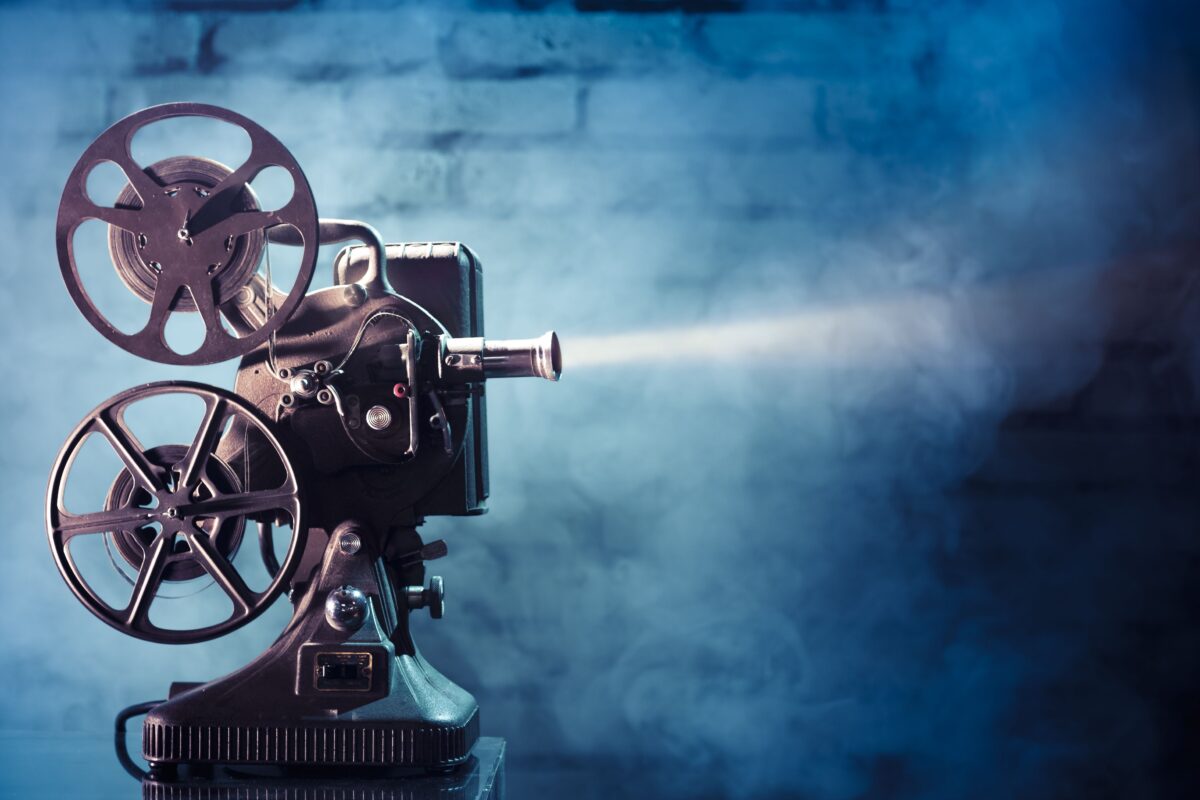
Since the invention of the motion picture camera, movies have been a uniquely American staple of entertainment. Perfected by the French and augmented by the Italians, movies tell us amazing stories, introduce new cultural ideas to society, and let us know how we’re doing or what we need to change. For many people, a particular movie is what they watch before bed or fall asleep during (for me, it’s Meryl Streep, Nicole Kidman and Julianne Moore in The Hours) and certain movies they turn to when they are sad or just need a boost. There are movie buffs who can recite whole passages of movies on demand.
In this article in my signature Best Advice series; I’m going to advise you on how to watch movies.
1. Get Observant
From shadowing to visual cues and even color and symbology, movies are a visual feast for the eyes. From the simple stripped down visuals of the 70’s and 80’s to the splashy musicals of the 40’s and 50’s, film is all about what is right in front of you as much as it is about the subtle things that tie a story together visually. From a movie like Suckerpunch that uses blacks, greys, and accents of color to something like Sin City that uses subtle color to bring attention to certain things, these visual cues help anchor the story in a very visual way. The other thing to look for is textures in light, fabrics, furniture. Just as in reality, these are what give you a clue about the environment as well as where to look for the action.
The best way to pick up those cues is to get observant and start to notice what color pallette is being used as well as what color things are.
2. Invest In The Characters
Many people get so caught up in the beautiful visuals that they miss all the gorgeous people that populate our movies. Characters are what bring the stories to life. Without real humans, many stories just aren’t as important or as well told. To make your movie watching experience the best it can be, invest in your characters. Learn everything about them that the film offers and watch how they move, what they say, or how they say it. Those little clues will fill out, in your mind, the character and who that person is even beyond the very real human being who is playing them.
3. Framing
In film, what you don’t see is as important as what you do see. The Cinematographer works tirelessly to make sure that every shot is perfectly framed so that your view of the action and drama is just right and what you see tells a story that supports visuals and dialogue. As a filmgoer its important to look at the framing and to understand what you are looking at and why. Augmented with #1 of this list, framing is what turns an amateur film into a professional production. In film, framing separates the men from the boys. Next time you watch a movie, notice what the camera is looking and why.
The Bottom Line
Take your movie watching from just a raw visual feast into a nuanced and sophisticated observational journey with just a few tips that make it easier to see a film as it was meant to be seen and to experience the deep creativity that is modern cinema. Enjoy!
Discover more from The Cameron Journal
Subscribe to get the latest posts sent to your email.