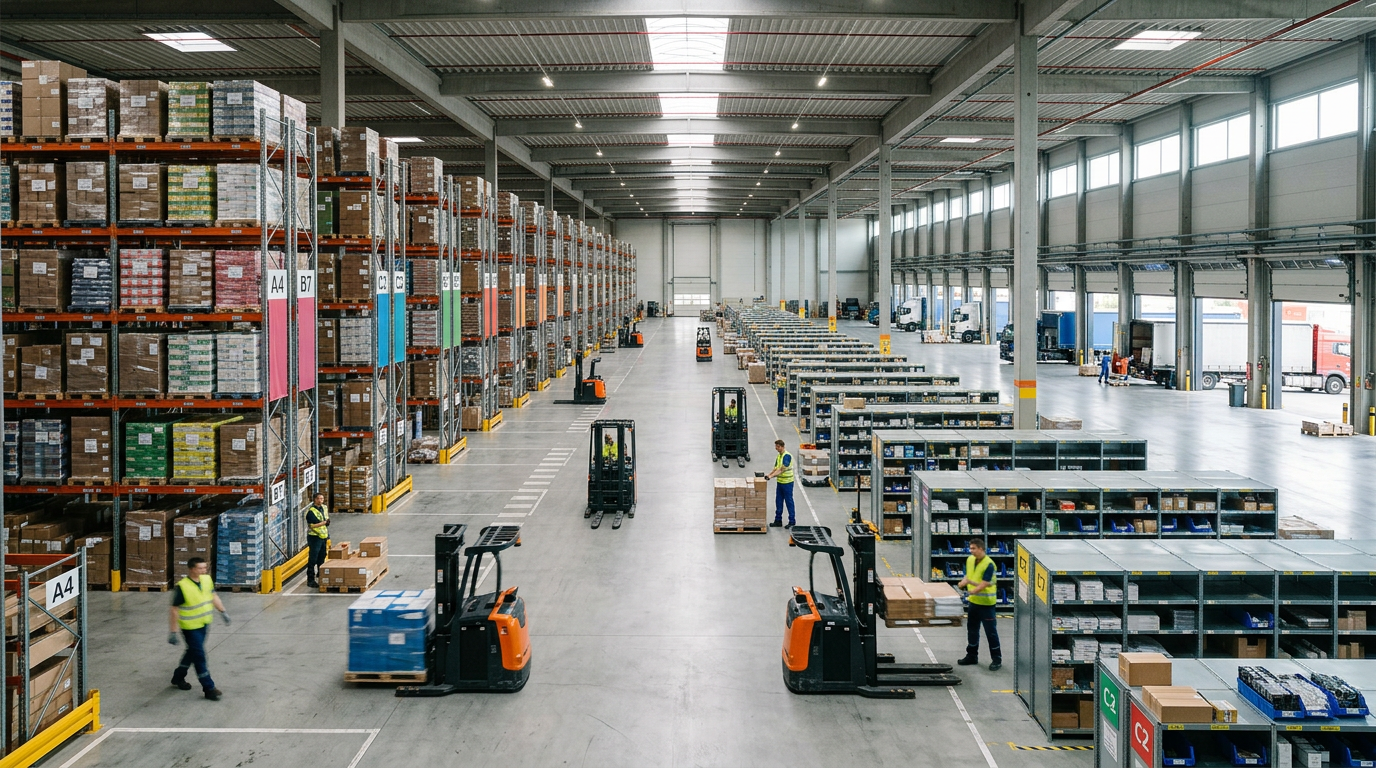
Scaling a business is an exciting milestone, but the associated physical growing pains can quickly eat into profit margins. For modern digital brands and traditional small and medium enterprises (SMEs) alike, expanding product lines often leads to a sudden influx of physical goods. Managing this new volume requires careful financial planning. Research indicates that fixed operational overheads, including traditional warehousing, can consume roughly 58 to 62% of revenue for retail and service SMEs. When dealing with seasonal surges or excess inventory, savvy business owners often compare rigid commercial warehouse leases against flexible local self storage unit prices to find the most cost-effective solution. Keeping overheads manageable during an expansion phase ensures that capital remains available for marketing, product development, and staff acquisition. This deliberate approach protects the core business model while providing room for necessary growth without unnecessary financial strain.
Auditing Your Current Supply Chain Operations
Before committing capital to larger facilities, it is vital to thoroughly evaluate your existing operational flow. A 2025 Gartner CFO survey revealed that 73% of mid-market finance leaders rely heavily on spend analytics before authorising overhead increases. This data-driven approach helps leadership teams differentiate between agile investments that fuel growth and rigid fixed costs that drain resources over time. Business leaders must look beyond the immediate need for space and consider how materials move through their current systems on a daily basis.
Identifying inefficiencies early in the expansion process is absolutely crucial for long-term sustainability. Properly mapping out your internal logistics and daily picking routines can help you stop warehouse bottlenecks before they cascade into unmanageable overstocking chaos. By resolving these internal friction points first, companies buy themselves valuable time to assess their true spatial needs without rushing into an emergency commercial lease. Taking a paused, analytical approach allows for better decision-making when the pressure of increased inventory threatens to overwhelm existing infrastructure.
Navigating the Rising Costs of Commercial Leases
The global logistics real estate market has seen significant price shifts in recent years, heavily squeezing profit margins for expanding businesses. In major Southeast Asian logistics hubs like Thailand, standard commercial warehouse rental rates reached between THB 160 and THB 230 per square metre in 2026. Furthermore, institutional capital investments have pushed regional rental rates up by as much as 12% over a single six-month period. This rapid inflation makes long-term property commitments incredibly risky for growing enterprises.
These financial pressures are not isolated to emerging markets in Asia. According to a 2026 breakdown of global e-commerce fulfillment costs, commercial storage rates in the US now typically range between $15 and $26 per cubic metre, while European rates climb even higher due to regulatory factors. Faced with these steep baseline requirements, growing companies must rethink how they secure space. Locking into a five-year lease for a massive industrial unit might secure room for future growth, but it forces a business to pay for empty air in the interim. Such capital could be much better spent on customer acquisition or product refinement.
Implementing Micro-Warehousing and Agile Practices
Due to the rapid expansion of digital retail, the availability of small-sized commercial warehouses under 50,000 square metres has experienced critically low vacancy rates. To bypass this real estate shortage, SMEs are increasingly adopting decentralised logistics strategies. By utilising smaller, strategically placed business storage units as micro-warehouses, companies can establish last-mile delivery hubs closer to urban customers. Modern facilities catering to B2B clients have evolved to include 24/7 digital access, accessible loading bays, and climate-controlled environments that protect sensitive goods from high humidity.
To maximise the efficiency of these agile spaces, expanding e-commerce retailers actively separate their physical inventory housing from their packing operations. Implementing the following strategies can drastically reduce operational friction:
- Adopt cloud-based inventory software: Over 65% of mid-sized companies have transitioned to cloud management systems by 2026, synchronising multi-channel sales to prevent costly overstocking.
- Utilise modular shelving systems: Customisable racks allow businesses to maximise vertical space in smaller units, making it significantly easier to rotate seasonal stock frequently.
- Implement strict stock zoning: Grouping fast-moving consumer goods near the front of a unit and using barcode tracking reduces search times and accelerates daily order fulfilment.
- Leverage government incentives: In markets like Thailand, governments introduced specific tax incentives in late 2025, offering potential 200% corporate tax deductions for SMEs that upgrade their digital infrastructure.
Expanding a business footprint does not have to mean accepting bloated fixed costs. By carefully auditing current supply chain flows, understanding the rising costs of commercial leases, and implementing decentralised storage strategies, business leaders can scale responsibly. Embracing a highly agile approach to physical space ensures that inventory overhead remains a calculated, flexible investment rather than an uncontrolled expense.
Discover more from The Cameron Journal
Subscribe to get the latest posts sent to your email.