
Key Takeaways
- Nighttime garden walks benefit from a little more preparation than daytime visits.
- Comfortable footwear, layers, water, and a charged phone help visitors stay relaxed.
- Checking entry rules, parking, weather, route conditions, and accessibility details ahead of time prevents avoidable stress.
- Low light changes depth perception, photography, wayfinding, and the pace of a visit.
- Respectful behavior protects plants, wildlife, staff, and other guests.
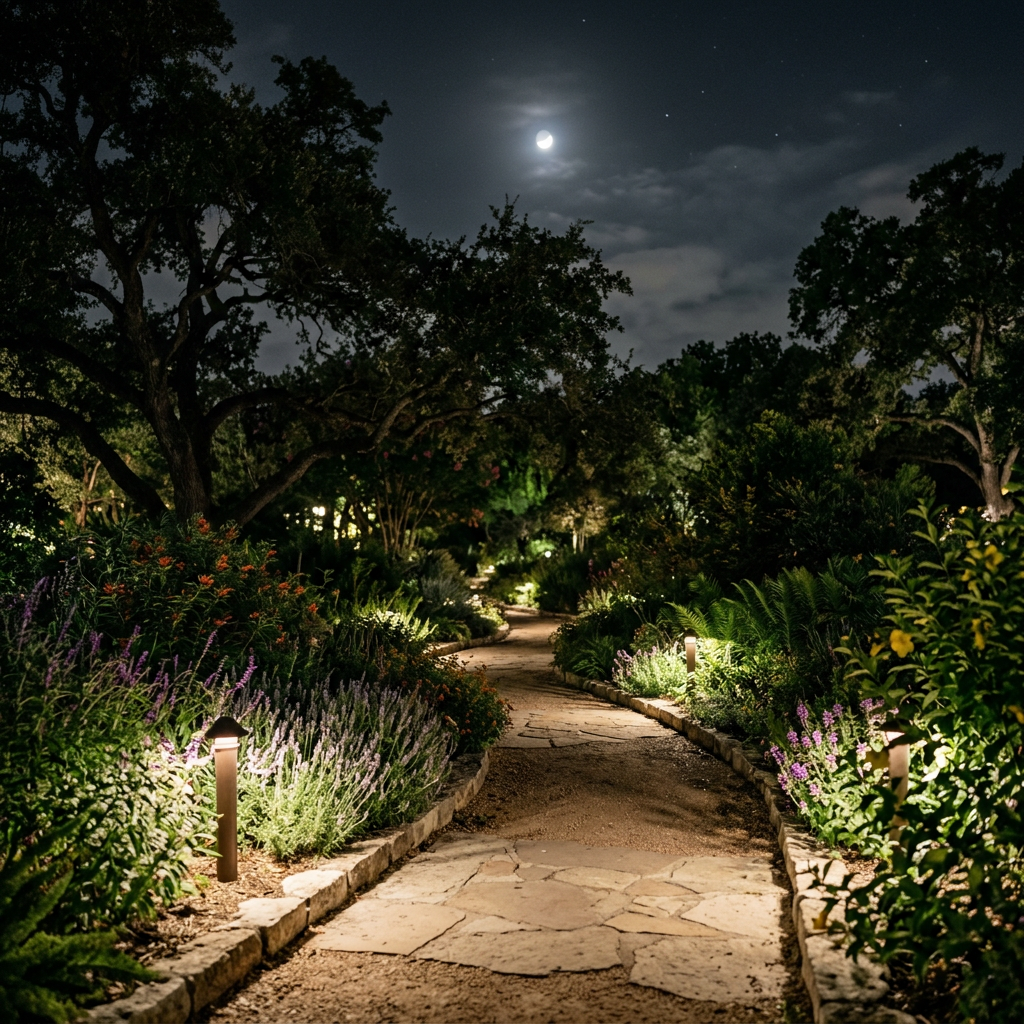
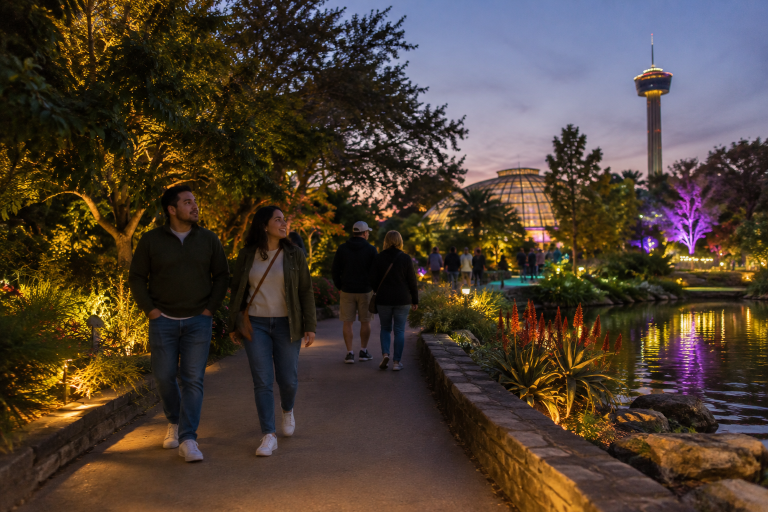
A visit to San Antonio’s gardens after sunset can turn familiar paths, trees, and seasonal displays into something entirely new. Whether you are planning a quiet date, a family outing, or an evening with visiting friends, botanical garden lights offer a reason to slow down and experience the city’s outdoor spaces in a different way.
The best nighttime garden visit is not about seeing every feature as quickly as possible. It is about leaving room to notice sound, color, shadows, and the cooler rhythm of an evening outdoors. A simple plan makes that experience more comfortable for everyone, from photographers and first-time visitors to children and older relatives.
Why Nighttime Garden Visits Feel Different
Darkness changes how a garden feels. Colors may appear more selective under designed lighting, while sounds such as footsteps, water, wind, and conversation can become more noticeable. Paths that seem straightforward in daylight may require more attention after sunset, especially around changes in surface level or edges.
That is why an evening garden visit rewards a slower pace. Instead of moving from display to display, pause at a bench, give your eyes time to adjust, and let each section of the garden reveal itself gradually.
Choose the Right Evening
Before leaving home, check the forecast, including expected temperature, wind, and chance of rain. San Antonio weather can change across an evening, so a light outer layer is useful even when the day began warm. If you are bringing young children or someone who tires easily, an earlier entry time and a shorter route may be more enjoyable.
Also, confirm whether timed entry, ticket reservations, special programming, or event-specific rules apply. A visit can feel much calmer when you know the arrival window and do not need to make decisions from the parking area.
Check the Site Before Leaving Home
Use this quick checklist before heading to the garden:
- Opening, entry, and closing times
- Ticket, reservation, and re-entry requirements
- Parking, rideshare drop-off, and public transit options
- Restroom locations and food or drink policies
- Weather, refund, cancellation, and rescheduling rules
- Policies for strollers, wheelchairs, pets, flash photography, and outside items
Pack for Comfort and Safety
Choose closed-toe shoes with dependable grip and support. Uneven ground, damp spots, and low light can make sandals or slick soles less practical. Wear layers that are easy to remove, carry water, and bring any medication you may need during the outing.
A fully charged phone is useful for meeting up, navigating after the visit, and accessing tickets. A small flashlight can be sensible for an emergency, but keep it put away unless necessary. Large bags can be cumbersome on narrow routes, so travel light and keep both hands available while walking.
Plan for Mobility and Accessibility
Accessibility means more than whether a venue uses a general label. Ask about route surfaces, slopes, trail widths, seating, accessible restrooms, parking, shuttle service, and step-free options. The National Park Service recommends reviewing practical details such as trail surface, width, slope, and length when planning an outdoor visit.
Call ahead if you need to confirm a mobility-device route, borrow equipment, or locate quieter areas. Planning rest stops also makes a longer visit easier to enjoy without rushing.
Take Better Nighttime Photos
Phone cameras can struggle when bright displays sit against a dark background. Clean the lens before arriving, hold the phone steady, and tap the brightest part of the scene to adjust exposure. Take a few purposeful photos rather than documenting every moment.
Lowering screen brightness can help preserve your own night vision and reduce distraction for nearby guests. Avoid flash unless the venue specifically permits it, since it can interrupt the atmosphere and affect other visitors’ photographs.
Protect Plants and Wildlife
Stay on marked paths, avoid touching plants or installations, and keep voices low near ponds, wooded sections, and habitat areas. Artificial outdoor light can create glare and interfere with people’s adjustment to darkness, while excessive light can also affect natural nighttime environments. The National Park Service explains that glare, light trespass, and skyglow are distinct forms of light pollution.
Do not shine personal lights into trees, water, or animal areas. Carry out wrappers and cups, and follow staff directions if a path or garden section is temporarily closed.
Keep Children Comfortable After Dark
Set expectations before arrival. Explain that some areas may be darker, quieter, crowded, or visually intense. Pick a clear meeting point at the entrance, plan restroom and snack breaks, and consider bright outer clothing or a reflective detail that helps adults keep track of children without adding distracting lights.
Encourage children to observe rather than run between displays. Short pauses often make the outing feel more like an adventure and less like a race against bedtime.
Build a Simple Visit Plan
- Before arrival: Review tickets, weather, transportation, route conditions, and accessibility needs.
- At the entrance: Look over the map, find restrooms, choose a meeting point, and identify the route that suits your group.
- During the visit: Walk slowly, pause often, take only a few photos, and leave enough time for a calm return to the car or pickup area.
Common Questions About Nighttime Garden Visits
What should visitors wear?
Wear supportive closed-toe shoes, comfortable layers, and clothing suited to the forecast. Keep your hands free when possible.
Are nighttime garden visits suitable for young children?
They can be, particularly when families choose an earlier entry period, set expectations, and keep the route flexible.
Should visitors bring a flashlight?
Bring a small one for unexpected needs, but use it sparingly and direct it toward the ground.
How can visitors avoid crowds?
Choose an earlier entry time when available, consider a weekday, and ask staff which routes tend to be quieter.
Final Thoughts
A memorable nighttime garden visit in San Antonio starts with preparation and ends with patience. When visitors dress comfortably, respect the setting, and leave room to slow down, an illuminated evening outdoors can feel both festive and restorative.
Discover more from The Cameron Journal
Subscribe to get the latest posts sent to your email.