Key Takeaways
- Changing positions regularly can reduce stiffness from prolonged sitting.
- Comfortable movement matters more than trying to maintain a single rigid posture.
- Walking, mobility work, strength training, sleep, and lifting habits all support daily function.
- Persistent pain, numbness, weakness, or sudden loss of function needs professional attention.
Supporting your spine does not require a complicated routine or perfect posture from morning to night. Small, repeatable choices can help you move through work, errands, exercise, and rest with greater comfort. People managing both balance concerns and musculoskeletal discomfort may also want to speak with a Chiropractor specializing in vertigo treatment in Newport News VA, about appropriate care for their individual needs.
The goal is not to eliminate every ache or follow a flawless plan. It is to build practical habits that fit your schedule, fitness level, work demands, and health history. Consistency usually matters more than intensity, especially when you are getting started.
Why Small Habits Matter More Than Perfect Posture
Your neck, back, hips, and shoulders respond to what you do repeatedly. Sitting, standing, carrying bags, looking down at a phone, and sleeping in the same position can all add up. Rather than forcing yourself into one “correct” posture, focus on giving your body regular opportunities to change position and move.
Move More Throughout the Day
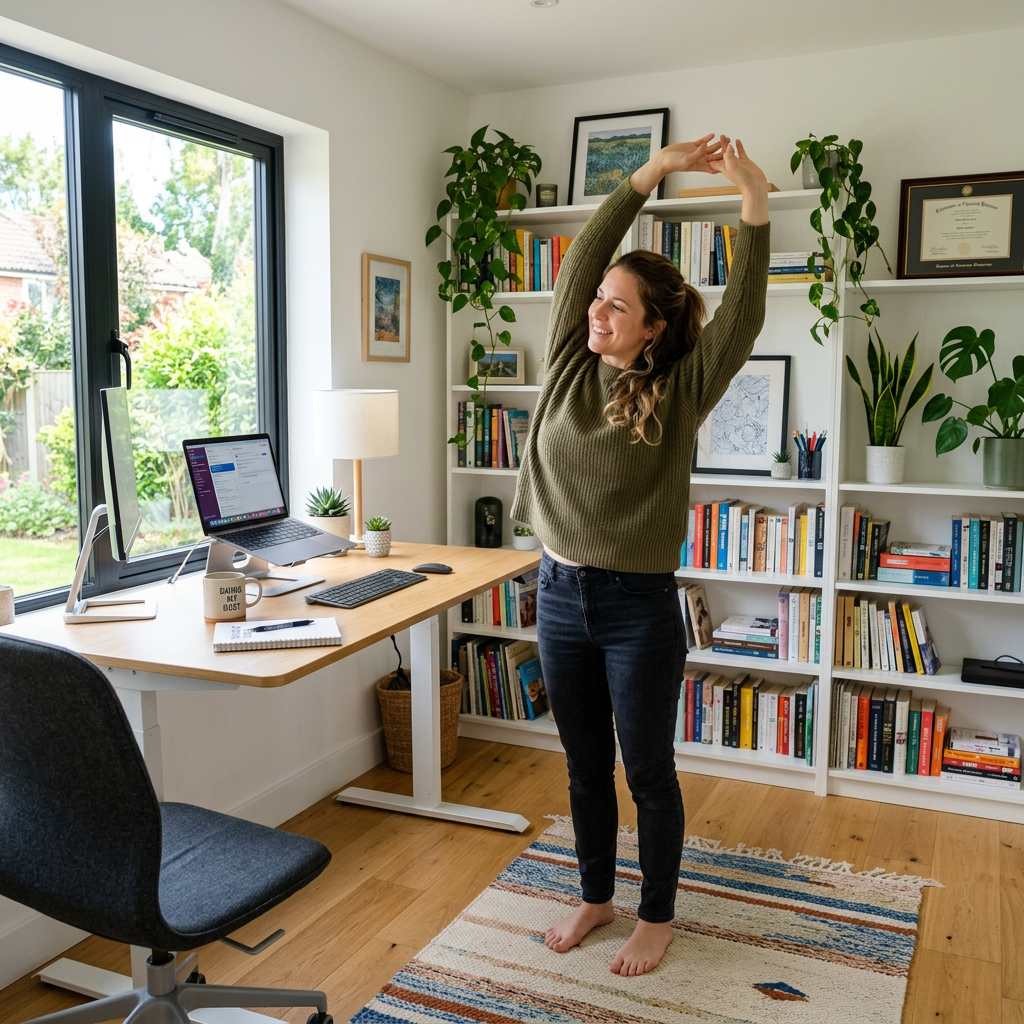
Long stretches of sitting can leave muscles feeling tight and joints feeling stiff. Short movement breaks are often easier to maintain than a single long workout at the end of a busy day. Ways to add physical activity to daily life include simple choices such as walking during phone calls or taking the stairs when practical.
A Quick Movement Break
- Stand up and take several slow breaths.
- Walk for two to five minutes.
- Gently roll your shoulders and relax your jaw.
- Return to your task after adjusting your chair or screen if needed.
Build a More Comfortable Workstation
Set the top of your monitor near eye level, support both feet on the floor or a footrest, and keep the keyboard and mouse close enough that you are not reaching forward. A chair should support the lower back without making you feel tense or overly upright. If a laptop keeps your neck bent down, try using a separate keyboard and raising the screen. Even an excellent setup works best when you still change positions often.
Add Gentle Mobility Work
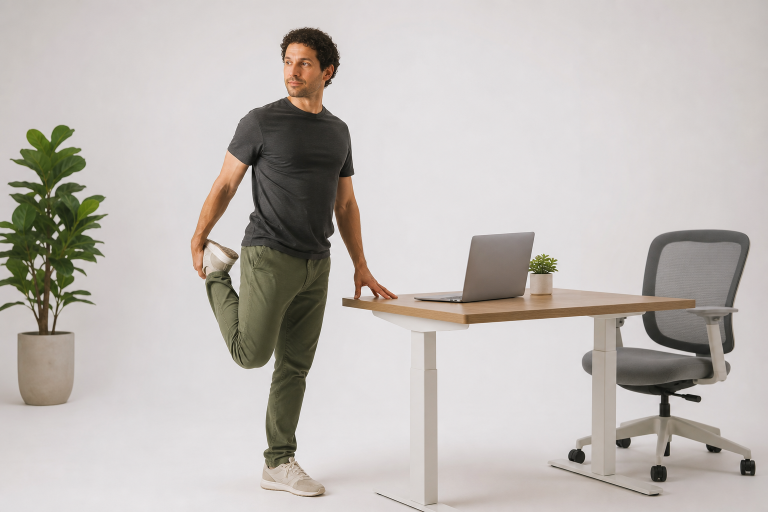
Mobility work means controlled, comfortable movement, not forcing a deep stretch. Try slow neck turns, shoulder blade squeezes, cat-cow movements, gentle hip-flexor or hamstring stretches, and easy walks. Breathe steadily and stay within a pain-free range. Stop and seek guidance if a movement causes sharp, spreading, or worsening pain.
Strengthen the Muscles That Support Movement
Your core, hips, glutes, and upper back help with balance, stability, and everyday body control. Beginners can start with two or three brief sessions each week using glute bridges, bird-dog movements, wall sits, chair squats, and modified planks. Prioritize smooth form, then progress gradually. If you have ongoing pain or a previous injury, ask a qualified health professional which exercises are appropriate.
Make Sleep More Spine-Friendly
Sleep affects recovery, energy, and how manageable normal aches may feel the next day. Side sleepers may find a pillow between the knees comfortable, while back sleepers may prefer one under the knees. Check that your pillow does not push the neck sharply up or down. A consistent bedtime, a calm room, and less screen time before bed can support the quality sleep your body needs for overall health and daily function.
Use Safer Body Mechanics When Lifting
Before lifting a box, laundry basket, or grocery bag, pause and plan. Check the weight, move close to the item, take a stable stance with your feet, and bend through your hips and knees. Keep the load close to your body and turn with your feet instead of twisting through your trunk. Ask for help with awkward, oversized, or very heavy objects.
Connect Habits With Professional Support
Daily habits and professional care can work together. An evaluation may help identify recurring strain, limited mobility, or uncertainty about exercise and recovery. Chiropractic & Wellness Services may be one part of a broader health plan, alongside appropriate medical care, activity changes, and home exercises. Ask about realistic goals, expected progress, and when additional evaluation is needed.
Warning Signs That Need Medical Attention
Everyday stiffness is different from symptoms that may signal a more serious problem. Seek prompt medical attention for new or worsening weakness, numbness, or tingling that spreads into an arm or leg, loss of balance, loss of bladder or bowel control, severe pain after a fall or accident, fever, unexplained weight loss, or pain that steadily worsens at night.
A Simple Seven-Day Habit Plan
- Day 1: Adjust your desk, chair, and screen.
- Day 2: Take a short walk after one meal.
- Day 3: Add five minutes of gentle mobility work.
- Day 4: Practice lifting a light object with good form.
- Day 5: Complete a short strength routine.
- Day 6: Review your pillow and sleep position.
- Day 7: Choose two habits that feel easiest to continue.
Common Questions About Spine-Friendly Habits
How often should I take a movement break?
Change positions regularly during long sitting periods. Brief, frequent breaks are often more realistic than waiting until you feel very stiff.
Is stretching enough?
Stretching may support mobility, but walking, strength, sleep, lifting habits, and movement variety matter too.
Should I exercise with back pain?
Gentle activity may help some people, but severe, new, unusual, or worsening pain should be assessed before beginning a routine.
Is there one best sleeping position?
No. Comfort, neutral support, and restorative sleep are more useful goals than following one rigid rule.
Conclusion
A healthier spine is built through repeatable daily choices. A brief walk, a more comfortable workstation, gentle strength work, safer lifting, and better sleep can create a strong foundation for easier movement. Aim for steady progress, listen to your body, and seek timely guidance when symptoms need more than self-care.
Discover more from The Cameron Journal
Subscribe to get the latest posts sent to your email.