
Image Credit: Unsplash
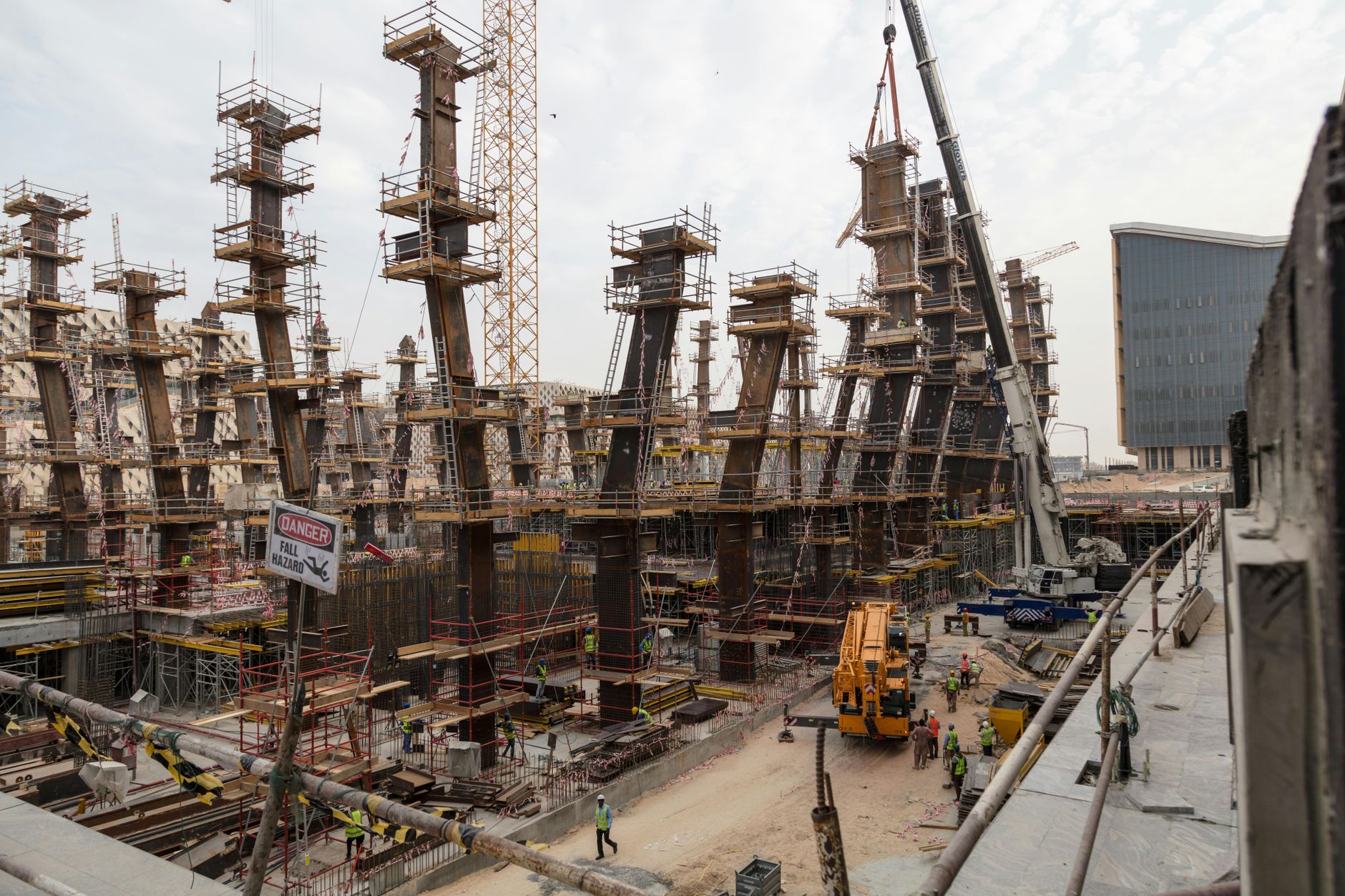
The skylines of our cities are always changing, but the biggest shifts aren’t always obvious from the street. Beyond the cranes and scaffolding, the construction industry is going through a huge tech revolution.
From the first blueprint to the final check, new ideas are changing how we design, build, and look after the places we live and work in every day.
Digital Transformation in Building
Gone are the days of relying only on paper blueprints and manual measurements. Today, digital tools like Building Information Modeling (BIM) are leading the way. This process creates a detailed 3D digital model of a building, letting architects, engineers, and construction pros work together with amazing clarity. This move toward tech-forward construction isn’t just a passing trend; it’s quickly becoming the norm.
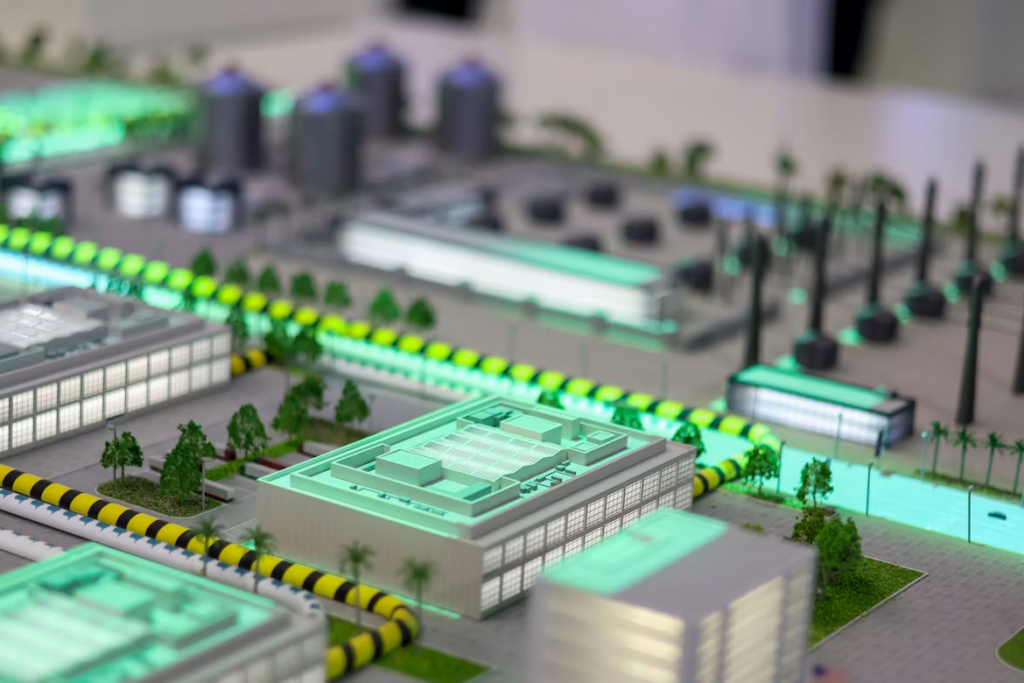
Smart building construction companies use these digital twins to spot potential problems, make the most of materials, and even simulate how a building will perform before anyone even breaks ground. Drones now fly over job sites, giving real-time updates and doing surveys with an accuracy that used to be impossible.
Smart Buildings and Urban Futures
What makes a building smart? It’s more than just a connected thermostat. A truly smart building uses an interconnected network of sensors and systems, the Internet of Things (IoT), to run efficiently and meet its occupants’ needs. These intelligent structures can automatically adjust lighting and temperature based on who’s in the room, saving a lot of energy.
They can also predict maintenance needs, telling facility managers about a potential issue with an HVAC unit before it actually breaks down. There are countless innovations transforming buildings that turn them into dynamic environments. This improves comfort, safety, and how we manage resources, paving the way for smarter, more responsive cities.
Sustainable Practices Reshaping Design
Sustainability isn’t an afterthought in architecture anymore; it’s a core idea that drives design from the very start. Innovators are looking at a new generation of green materials that lower a building’s environmental impact. Mass timber, for example, is as strong as concrete and steel, but it’s also a renewable resource that captures carbon.
Designers are also using passive strategies, like orienting a building to get the most natural light and minimize heat from the sun. This dramatically cuts down on the need for artificial lighting and air conditioning. Green roofs and rainwater harvesting systems also help create buildings that work in harmony with their surroundings.
Project Management Evolution
Changes in construction are also happening in the project manager’s office. Clunky spreadsheets and disconnected communication are being replaced by integrated, cloud-based project management software. These platforms create a single source of truth where everyone involved, from the architect to the subcontractor, can access the latest plans, schedules, and reports.
This level of transparency and real-time collaboration helps avoid expensive mistakes caused by miscommunication. It streamlines workflows, automates administrative tasks, and gives project managers the data they need to keep complex projects on time and within budget.
The Future of Building Construction
Looking ahead, new ideas will only come faster. Robots are starting to show up on job sites, taking on repetitive and physically demanding tasks. Automated bricklayers and robotic welders promise to build faster and make sites safer for workers.
Modular and prefabricated construction is another big development. With this method, large parts of a building are made in a controlled factory setting before being brought to the site for assembly. This not only speeds up construction but also improves quality control and significantly reduces waste on site, pointing to a cleaner, more efficient way to build.
These advancements aren’t just about making fancier or taller buildings. They’re about building a future where our structures are more sustainable, efficient, and better suited to human needs. The construction site of tomorrow will be a hub of technology, data, and innovation, building a better world from the ground up.
Discover more from The Cameron Journal
Subscribe to get the latest posts sent to your email.




 and smart technologies to enhance efficiency and sustainability.)