
Image: Freepik
When it comes to improving the sustainability of your business, it is essential to assess not only your internal operations, but also the partners you collaborate with. Suppliers, service providers, and stakeholders all play a role in influencing the impact of your business on the community and the environment. Plus, who you partner with can impact your reputation and how your clients see you. In this guide, we’ll look at a few partners you need to have to reduce your footprint and work together greener operations. Let’s dive in.
Recycling Partners
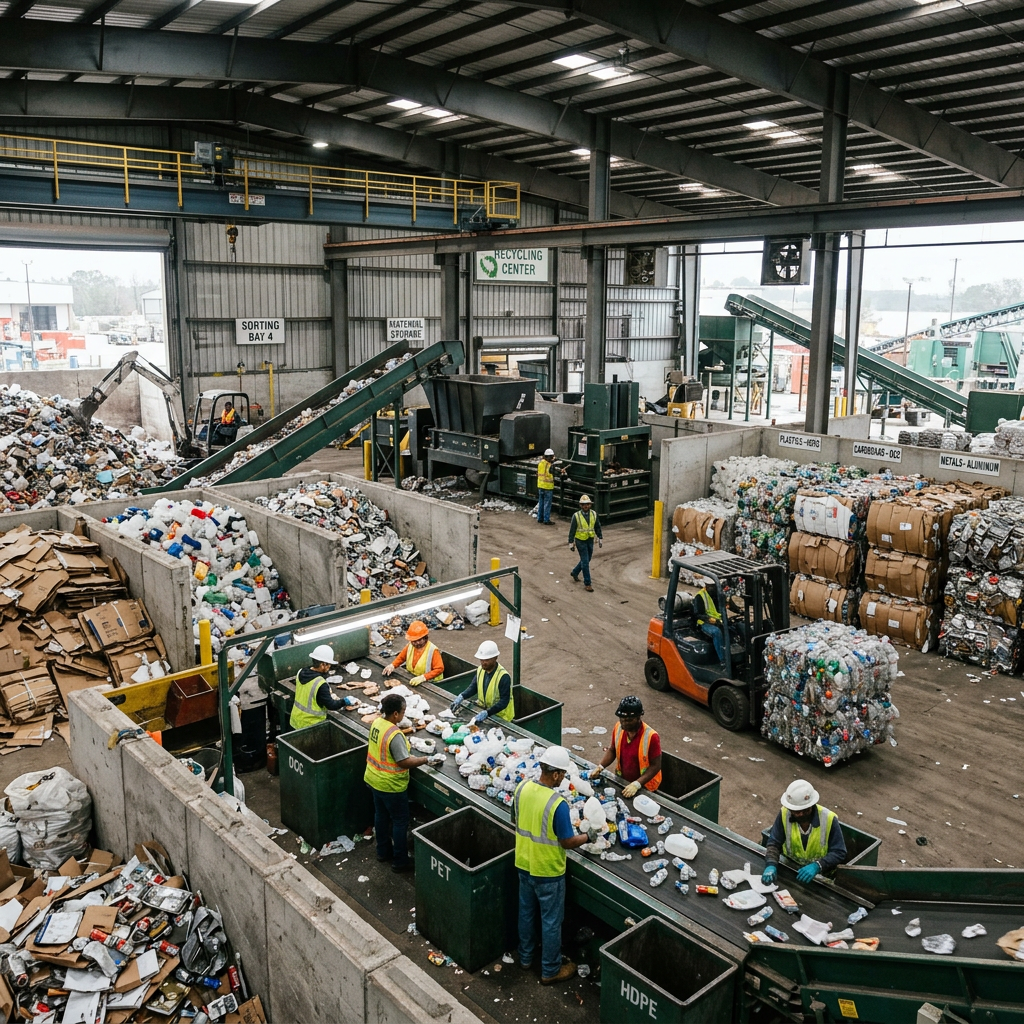
Firstly, consider partnering with recycling service providers. These go beyond simply waste collection services that pick up your office paper and plastic. You will also need to look at the waste your company produces and partner with specialized providers in the field. For instance, you may need rubber recycling or, if you work with car tyres, ELT (End-of-Life Tyre) processing partners. Review your industry needs and compliance guidelines to make sure you are operating in a legal and sustainable framework!
Green Energy Suppliers
Industrial and commercial activities account for nearly 65% of the total global electricity usage. Certainly, habits such as switching the lights off when a room is not in use and optimising energy use in your offices are positive steps. However, to make more of an impact, you may consider the benefits of partnering with green energy suppliers. These partners can help your business transition to renewable energy sources, such as wind or solar power, reducing your carbon footprint and often lowering long-term energy costs.
Local Sourcing Networks
Over the past years, there has been an emerging trend towards shortening supply chains. This can be a smart move, and for more than one reason! Partnering with local suppliers can benefit both your reputation and your financial returns. Some benefits of a shorter supply chain include:
- Reducing transportation costs
- Lowering carbon emissions
- Supporting local businesses
- Improving supply chain reliability
- Increasing product freshness and quality
- Shortening delivery times
- Boosting transparency and traceability
Eco-Friendly Packaging Providers
A key sustainable business practice is to move towards more eco-friendly packaging options. These may include biodegradable or recyclable materials. In some cases, such as for jewellery or accessories, you may even create packaging options that are reusable by the end user.
There are also other ways to make packaging contribute to your sustainability goals. For instance, if your business operates in the perishable goods industry, you may consider investing in packaging alternatives that maintain the food fresher for longer, thus reducing food waste. Review what’s available in the market for your industry and consider the long-term impact of your packaging choices.
Sustainable Logistics Companies
If you are shipping your products or require warehouse and logistic services, it is important to partner with companies that implement green practices. These may include route optimization, green vehicles (such as EVs), and eco-friendly packaging. By working with sustainable partners, your business can reduce its environmental impact, enhance brand reputation, and meet the growing customer demand for responsible practices. A real win-win!
Discover more from The Cameron Journal
Subscribe to get the latest posts sent to your email.