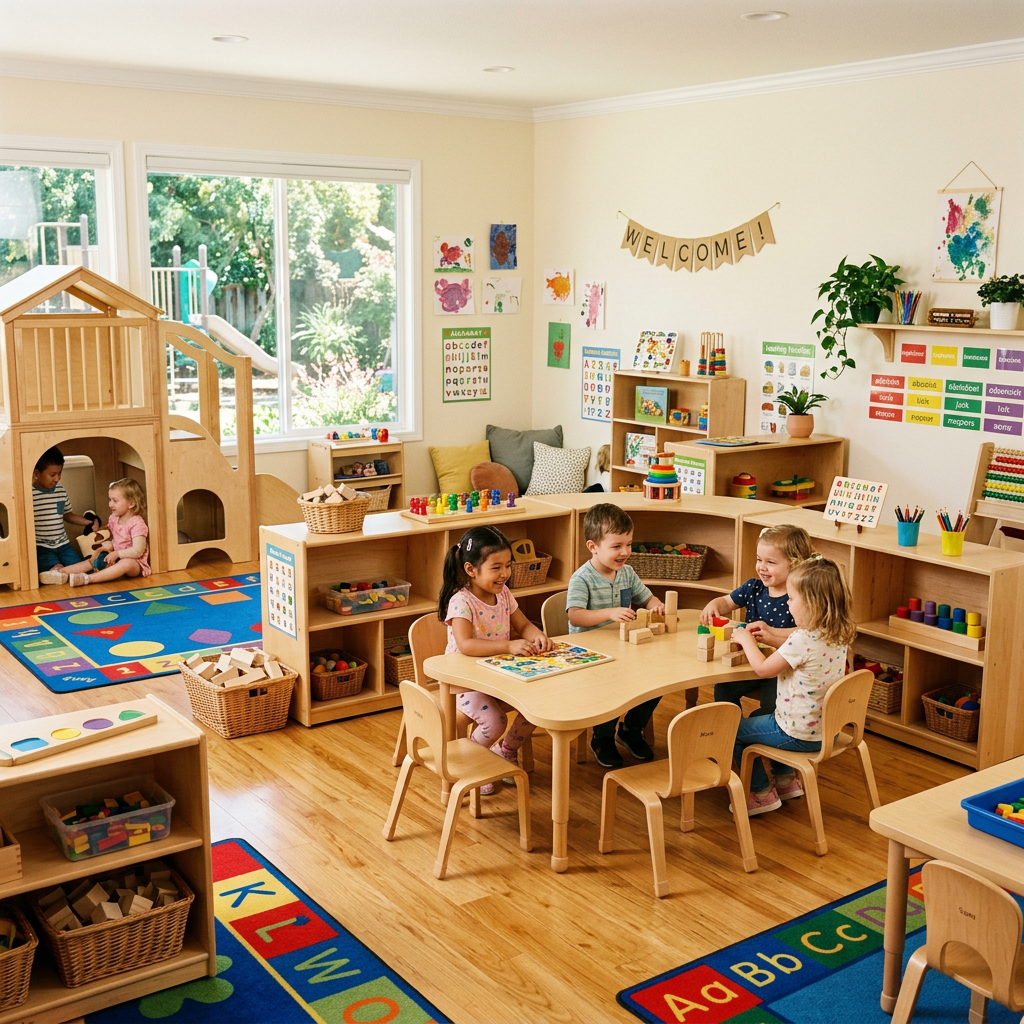
The transition from learning at home to joining an early education centre is a major milestone for any family. As a parent, you are your child’s first teacher, but finding the right structured environment is crucial for building school readiness. Recent national research has shown that many children begin school without being fully developmentally prepared, highlighting the importance of selecting a high-quality, play-based early learning environment.
Furthermore, the results highlighted that developmental vulnerability has increased nationally across various demographics. This makes the selection of a robust, play-based early learning environment more vital than ever for establishing a foundation for lifelong learning. Finding a space where your child feels safe, valued, and encouraged to explore will set the stage for their future academic, emotional, and social success. It is a decision that requires patience, but the rewards of finding the perfect fit are immeasurable.
Key Factors to Look For During a Tour
Booking a physical tour is the most effective way to gauge whether an early learning environment is right for your family, as it allows you to observe the daily dynamics firsthand. During your visit, pay close attention to how the educators interact with the children in their care. You want to see staff getting down on the floor, making frequent eye contact, and engaging in meaningful, open-ended conversations rather than just directing activities from afar. A warm, responsive educator is absolutely essential for helping toddlers build secure attachments outside the home, which in turn fosters a positive attitude toward lifelong learning.
It is also helpful to vet local facilities by looking at community favourites to understand the local standard. For instance, when touring a highly rated daycare Granville parents recommend, you might notice that their preschool program is led by a qualified Early Childhood Teacher who aligns daily routines with the national Early Years Learning Framework. Seeing a prime example of community-focused care in action gives you an excellent benchmark to compare against other options in your broader area.
Bridging the Gap Between Home and Centre
A top-tier early learning environment should always feel like a natural extension of the foundational learning you already do at home. Dedicated parents spend countless hours reading stories, encouraging imaginative play, and gently guiding their children through crucial early developmental milestones. This home-based learning forms the vital bedrock of a child’s cognitive, physical, and emotional growth.
When researching childcare providers, look for educators who take an active interest in your home routines. For example, you might already be using practical strategies for how to teach young kids the names of different colors, such as sorting snacks or pointing out colourful picture books. A quality centre will take these home-taught concepts and weave them into broader group activities, helping your child apply their knowledge in new social contexts. This collaborative approach ensures children feel secure, understood, and eager to learn.
The Long-Term Benefits of Quality Early Education
Early childhood is a critical window for brain development. High-quality early education programs do much more than simply supervise children while their parents work. They actively foster emotional security, critical thinking, and vital social skills through intentional, play-based curricula that challenge children at their specific developmental level.
Research consistently highlights the long-term value of quality early childhood education. Well-designed early learning programs support children’s cognitive, language, social, and emotional development while establishing strong foundations for future learning. When educators have sufficient time to engage meaningfully with each child, they can provide responsive interactions that encourage confidence, curiosity, and lifelong learning.
Navigating Funding and Quality Ratings
In Australia, all approved early learning centres are rigorously assessed by the Australian Children’s Education and Care Quality Authority against the National Quality Standard. Understanding these standards, alongside recent policy and funding changes, can help you make a confident and financially sound decision.
When you are ready to evaluate a childcare centre for your family, here are a few actionable steps and critical factors to keep in mind:
- Investigate Program Quality: When touring a centre, ask how educators incorporate children’s interests, ideas, and voices into daily learning experiences and curriculum planning.
- Check the Relationship Ratings: Ask how the centre builds warm, responsive relationships between educators and children, and how these practices are reflected in everyday interactions and care.
- Ask About the Quality Improvement Plan: Top providers maintain a living document that outlines how they continuously self-assess and upgrade their educational programs and community partnerships.
- Explore Your Funding Options: Ask the centre about available government childcare support and current subsidy programs. Understanding the assistance your family may be eligible for can help you make a more informed financial decision.
- Confirm Teacher Qualifications: Ensure the centre employs qualified Early Childhood Teachers. This is often a strict requirement for accessing state funding, such as the New South Wales Start Strong fee relief program.
Choosing the right early learning environment requires careful thought, thorough research, and a bit of intuition. It is completely normal to feel overwhelmed initially, but taking a systematic approach will ease the process. By focusing on play-based learning, strong educator relationships, and alignment with national quality standards, you can find a centre that perfectly supports your child’s developmental journey. Trust your instincts during those centre tours, ask plenty of questions, and remember that the best childcare will always work in partnership with you to give your child the strongest possible start in life.
Discover more from The Cameron Journal
Subscribe to get the latest posts sent to your email.