Key Takeaways:
- Regular maintenance can extend a commercial roof’s lifespan by up to 15 years.
- Neglecting roof upkeep can lead to premature failures and expensive replacements.
- Implementing proactive inspection and repair programs is crucial for cost savings.
Understanding the Importance of Roof Maintenance
Commercial roofs are built for durability and long-term protection, typically designed to last 20 to 30 years. Despite their robust construction, these roofs often underperform when routine care is neglected. Premature roof failures, sometimes occurring in just 12 to 15 years, are a costly consequence for building owners who delay essential upkeep. By maintaining your roof proactively, you gain several years of optimal performance and help control your long-term costs. To address these concerns early, consider reviewing available resources and commercial roof repair solutions like those provided at https://www.deltaservices.com/commercial-roof-repair/.
Regular roof maintenance not only limits your risk of unexpected damage but also protects your investment in your property. Over time, environmental factors, mechanical wear, and debris accumulation can undermine roofing materials. Maintenance helps spot these issues when they are still minor and manageable, reducing the chances of costly, larger-scale repairs down the road.
A consistent care routine reduces your exposure to business interruptions and liability concerns associated with sudden leaks or structural damage. This means your facility remains both safe and operational for longer periods. Numerous facility managers have found that an ounce of prevention truly provides a substantial return when it comes to roof care.
Roofing industry research published by Facility Executive highlights how regular inspection and service add value, emphasizing early detection as a key to greater roofing longevity.
Several key factors can shorten the life expectancy of a commercial roof:
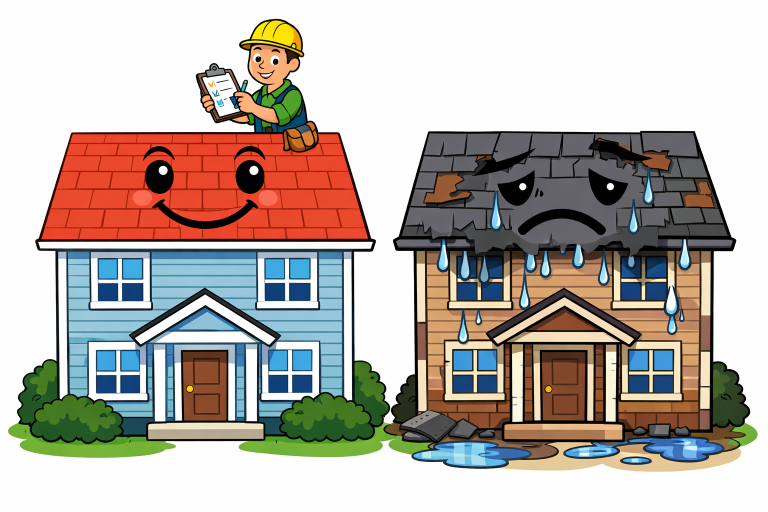
- Poor Installation Practices: Any errors during the initial installation phase set the stage for early deterioration by compromising the overall strength and waterproofing.
- Inadequate Drainage Design: Without proper drainage, water pools on the surface, leading to excessive material stress, leaks, and faster wear. Water management features should always be properly designed and maintained.
- Deferred Maintenance: Ignoring small issues such as broken seals, missing flashing, or clogged gutters allows these minor problems to compound over time, often going unnoticed until extensive damage occurs.
- Incompatible Repairs: When hasty or mismatched repairs are made using the wrong materials or methods, the roof system can become further compromised, leading to inconsistent performance and future failures.
Facility managers and building owners often find that the long-term costs of deferred or inadequate maintenance far outweigh the initial savings from skipping routine inspections. Issues such as moisture infiltration, mold growth, or structural weaknesses can become much more severe and expensive to address later. Consistent roof inspections and professional oversight remain foundational to a roof’s lasting success.
Implementing a Proactive Maintenance Program
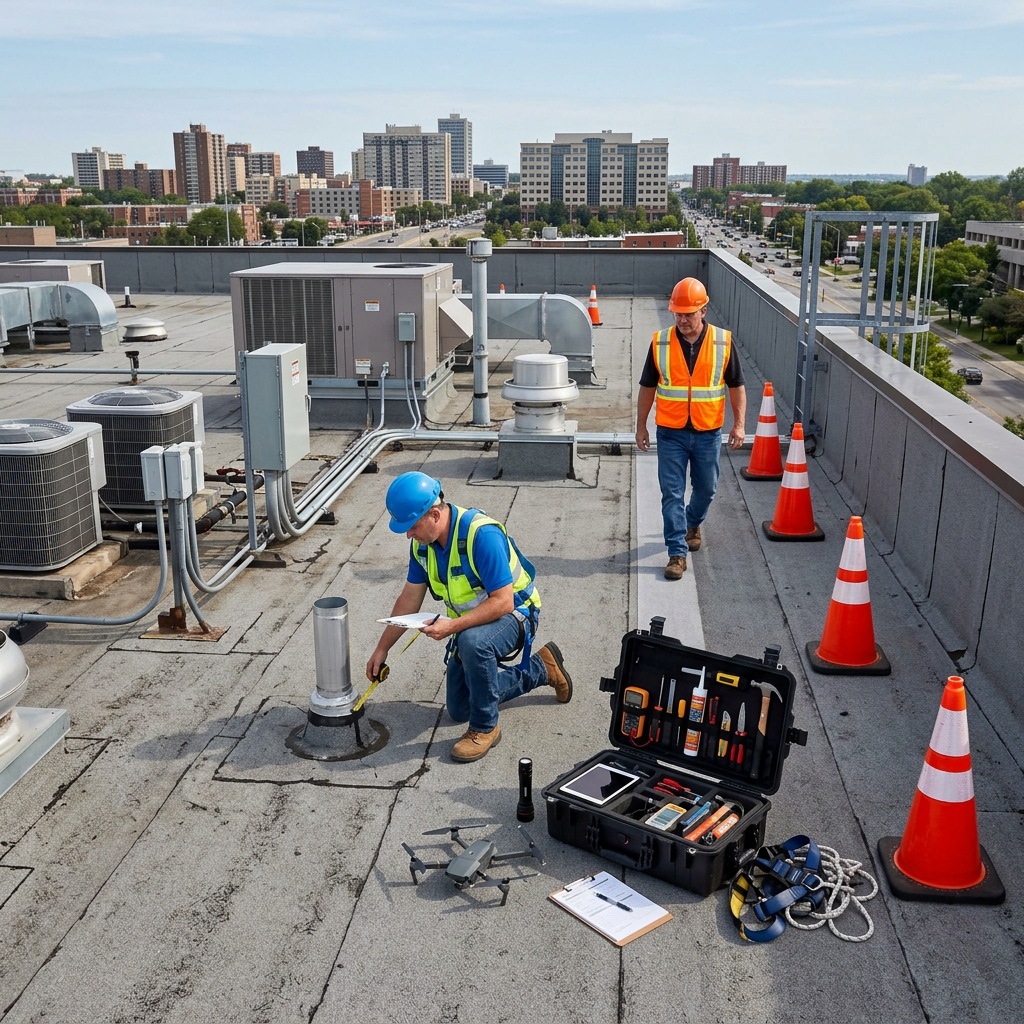
Protecting your commercial property investment requires a systematic approach to roof care. An effective proactive maintenance plan includes:
- Routine Inspections: Schedule biannual professional inspections, in spring and fall, to identify damage from seasonal changes or severe weather.
- Preventive Repairs: Promptly fix minor issues such as small punctures, open seams, or loose flashing to stop them from growing into expensive restoration projects.
- Drainage Maintenance: Regularly clear and inspect roof drains, gutters, and downspouts to prevent blockages, which are a leading cause of ponding water and leaks.
- Condition-Based Scheduling: Rather than relying solely on the calendar, adjust your maintenance schedule based on the current condition and age of your roof. This approach helps tailor service and extend roof life.
Financial Benefits of Regular Maintenance
Investing in regular maintenance makes clear financial sense. Typical preventive maintenance costs range from $0.05 to $0.20 per square foot annually, which is a fraction of the expense involved in a complete roof replacement, commonly running $7 to $20 per square foot. Dedicating resources to ongoing care can delay the need for full replacement by as much as ten years or more, driving significant long-term savings and improving the lifecycle value of your roofing system.
Many property owners underestimate the potential return on investment gained from organized maintenance. Tracking maintenance expenditures against avoided replacement costs or insurance claims reveals the substantial benefits tied to regular inspections, repairs, and proactive upgrades. In today’s budget-conscious environment, these savings offer a straightforward method to protect operating capital and maximize building asset value.
Addressing Weather-Related Vulnerabilities
In recent years, extreme weather events have increased both in intensity and frequency, placing extra stress on commercial roofs. According to data, the United States experienced a record $101.4 billion in damages from 14 billion-dollar weather disasters in 2025. Roofs that are under-maintained are especially vulnerable to failure in these conditions, leaving properties unprotected from wind, rain, hail, and temperature fluctuations.
Reinforcing your roof through planned upgrades, roof coatings, and storm-response inspections ensures your facility is better prepared for the unexpected. After any storm or weather event, a thorough inspection and prompt repairs safeguard both the structure and the people or operations housed inside.
Conclusion
Regular and proactive roof maintenance is essential for extending the service life of commercial roofs and preventing disruptive, costly repairs. By understanding the most common causes of roof failure, and by implementing an effective, condition-based maintenance routine, business owners and facility managers can secure real savings and peace of mind. With a commitment to routine inspections and prompt repairs, you protect your property investment, ensure occupant safety, and sustain smooth business operations for many years to come.
Discover more from The Cameron Journal
Subscribe to get the latest posts sent to your email.