
Key Takeaways
- Consistent seat belt use significantly reduces the risk. of injury
- Avoiding distractions, such as mobile phones, enhances focus.
- Adhering to speed limits and traffic laws prevents collisions.
- Regular vehicle maintenance ensures optimal performance.
- Defensive driving anticipates and mitigates potential hazards.
Table of Contents
- Consistent Seat Belt Use
- Avoiding Distractions
- Obeying Traffic Laws
- Regular Vehicle Maintenance
- Practicing Defensive Driving
- Adjusting to Weather Conditions
- Avoiding Drowsy Driving
- Sharing the Road Responsibly
Driving is a daily necessity for many people, yet it comes with serious risks and responsibilities. By adopting effective safe driving habits, drivers can significantly reduce the likelihood of collisions and protect themselves and others. If you are involved in an accident, seeking professional advice from car accident attorneys can be invaluable for navigating the legal aftermath and protecting your rights. Operating a vehicle safely is not just about being skilled at the wheel but also about making responsible choices before and during every trip.
Many crashes are preventable through simple, preventive measures. These habits form the foundation of road safety and contribute to a safer environment for everyone. From buckling up to practicing defensive driving, each action counts toward reducing car wrecks and making roads safer for all users. Understanding these habits and integrating them into your daily life will not only safeguard you and your passengers but also help lower the overall risk for everyone you share the road with.
Consistent Seat Belt Use
Wearing a seat belt is among the simplest yet most powerful protections drivers and passengers can use. According to the National Highway Traffic Safety Administration, seat belts saved an estimated 14,955 lives in 2017. Always ensure everyone in your vehicle buckles up before starting your trip. Proper seat belt usage is a habit that quickly becomes second nature and can make the difference between life and death in the event of a crash. Consistent seat belt use is also a good example for children and other passengers, teaching everyone the importance of taking safety seriously each and every time you drive.
Avoiding Distractions
Driver distractions can take many forms, including texting, eating, or even adjusting your radio. Any activity that takes your eyes or mind off the road increases your risk of a collision. The Centers for Disease Control and Prevention reports that each day, about eight people in the United States are killed in crashes involving a distracted driver. To stay alert and focused, set your phone to ‘Do Not Disturb’, finish meals before you drive, and make audio or GPS adjustments before you get on the road. Even seemingly minor distractions, such as talking with passengers or checking the navigation system, can create dangerous lapses in attention. Being mindful of your surroundings and minimizing distractions helps ensure a safer environment for everyone on the road.
Obeying Traffic Laws
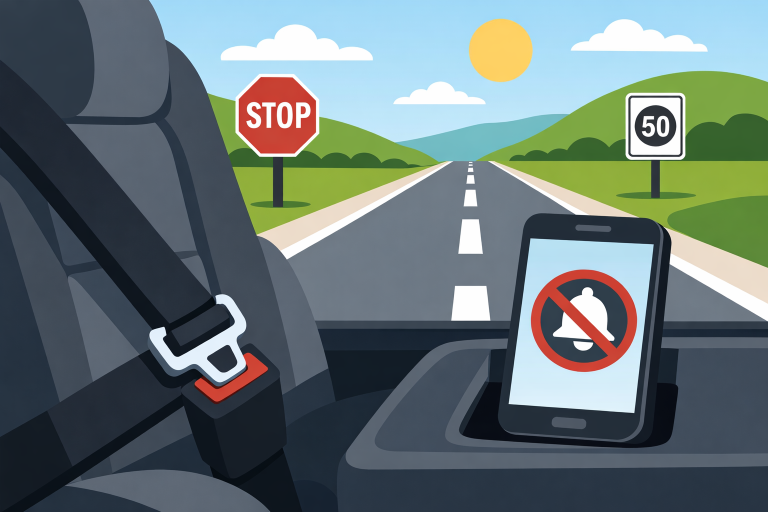
Respecting speed limits and all other traffic rules is vital for safe driving. These laws are designed to create predictable driving environments and minimize risks. High speeds drastically reduce the time available to react and increase crash severity. Make it a point to follow posted speed limits, come to full stops at stop signs, and obey traffic signals. Adjust your driving to the context – for example, slow down in school zones, neighborhoods, or construction areas where hazards may be less obvious. Remember that even minor infractions, such as rolling through a stop sign or failing to yield, can have serious consequences and contribute to collisions.
Failing to adhere to these rules can result in penalties ranging from fines and points on your license to more severe legal repercussions, especially if impairment is involved. Understanding the specifics of such legal challenges, including the potential for license suspension or mandatory educational programs, is important for any driver. A DUI guide offers a clear explanation of legal processes and potential defenses for various driving offenses, providing insights into the court system and its implications. This information can help drivers navigate unexpected legal situations effectively, ensuring they understand their rights and obligations.
Regular Vehicle Maintenance
Proper vehicle maintenance is essential for reliability and safety. Regularly check critical components such as brakes, tires, lights, windshield wipers, and fluid levels to ensure your vehicle is ready for the road. Ignoring maintenance can lead to breakdowns or even dangerous failures while driving, particularly in challenging situations. Keeping a simple checklist and sticking to your vehicle’s service schedule will help prevent issues and ensure safer driving conditions. In addition, periodic vehicle inspections can spot minor issues before they become costly or hazardous, and reading your vehicle manufacturer’s manual helps you stay ahead of recommended service timelines.
Practicing Defensive Driving
Defensive driving means staying alert, predicting potential hazards, and always being ready to respond. Maintain a safe following distance, be aware of blind spots, and always watch for erratic driving behaviors from others. Defensive drivers anticipate problems, such as sudden stops or aggressive behaviors, and are prepared to adjust. Enrolling in defensive driving courses can further develop these important skills and help you earn insurance discounts as well. Additionally, practicing patience and resisting road rage are core aspects of defensive driving that improve your safety and the safety of those around you by preventing escalation and poor decisions under stress.
Adjusting to Weather Conditions
Inclement weather can swiftly make driving dangerous. Rain, snow, ice, and fog often reduce visibility and traction on roads. Lower your speed, use your headlights properly, and increase the distance between you and other cars to give yourself more time to brake. During heavy rain or snow, recognize that your stopping distance can double or even triple. If the weather conditions are especially severe, consider delaying your trip until roads are safer. Monitoring weather forecasts and planning your route in advance enables you to avoid dangerous conditions and respond proactively, further reducing your risk of an accident.
Avoiding Drowsy Driving
Fatigue negatively impacts your reaction time, attention, and decision-making skills. Get enough sleep, especially before long trips, and plan regular breaks to stay refreshed. According to the Sleep Foundation, drowsy driving significantly increases the risk of car accidents. If you start to feel sleepy, pull over as soon as it is safe to do so and rest before continuing your journey. Never underestimate the dangers posed by driving when tired. Simple actions, such as drinking water or stretching at rest stops, can help revitalize your focus and keep you attentive on the road.
Sharing the Road Responsibly
Roads are shared spaces that include motorists, cyclists, pedestrians, and motorcyclists. Keeping a watchful eye, especially when changing lanes or turning, helps prevent blind-spot accidents. Use your turn signals in advance and always yield the right of way as required. Give vulnerable users, such as cyclists and pedestrians, extra space, knowing that defensive and courteous driving helps keep everyone safe. Courteous driving also enhances overall traffic flow, reduces stress, and fosters a more cooperative environment for all road users, illustrating how individual actions can collectively improve safety for the entire community.
Integrating these safe driving practices into your everyday life can reduce car crashes and improve road safety for everyone. Commitment to these habits is not just about following rules but about making a conscious choice to protect your well-being and that of others. In the long run, the habit of practicing safe driving sets a positive example for those around you and brings greater peace of mind on every trip.
Discover more from The Cameron Journal
Subscribe to get the latest posts sent to your email.