
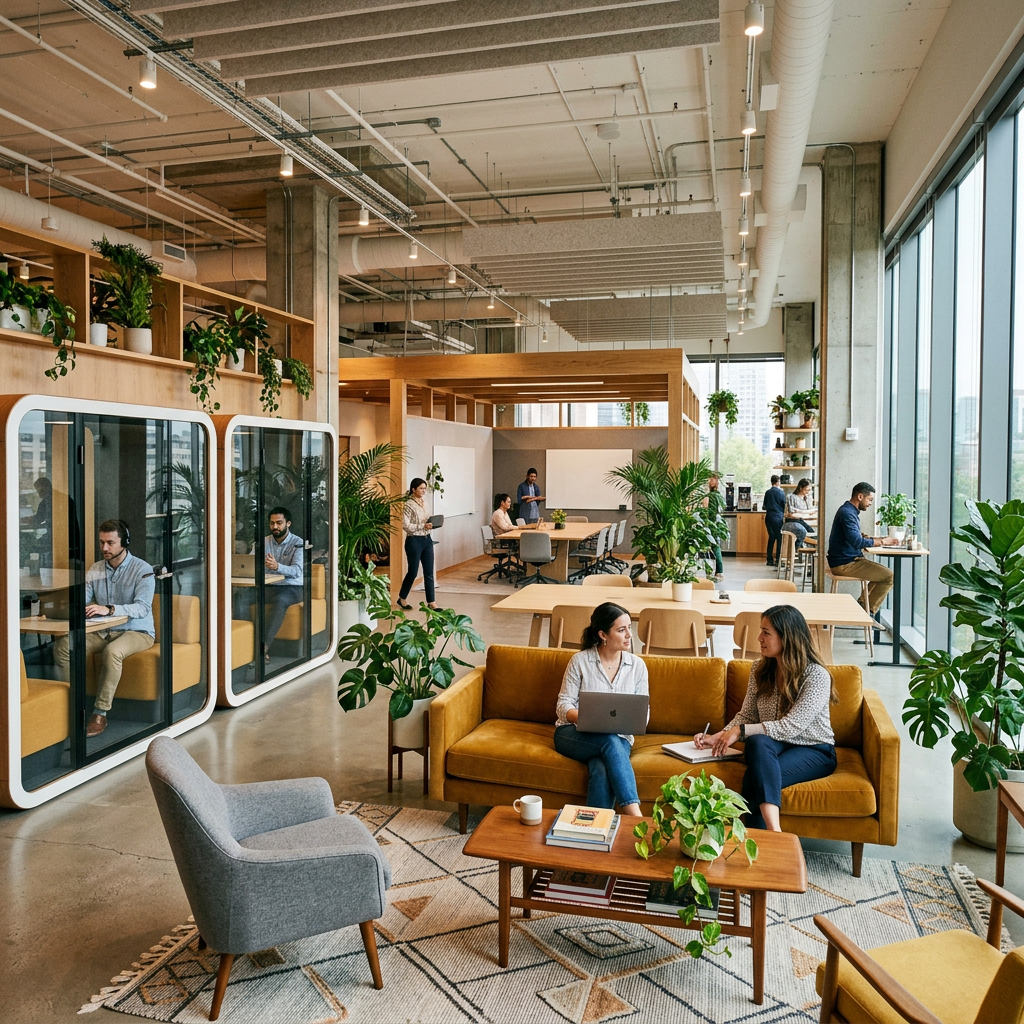
Business leaders are constantly searching for new ways to increase productivity, reduce overheads, and retain their best talent in a fast-changing market. While much of the corporate focus naturally falls on digital transformation, software upgrades, and competitive remuneration packages, the physical environment where your team gathers is far too often overlooked. The traditional corporate office has changed dramatically over recent years. It is no longer just a mandated destination for completing daily, repetitive tasks. Today, it serves as a central hub for corporate culture, team morale, and collaborative innovation. By viewing your commercial space as a strategic asset rather than just a place to store desks, you can unlock tangible benefits that ripple across your entire organisation and positively impact your bottom line.
The ROI of a Strategic Office Layout
For many companies, the layout of their headquarters has remained stagnant for a decade or more. Sticking with outdated floor plans can subtly drain employee morale and create frustrating bottlenecks in daily workflow. Updating your environment involves far more than simply changing the carpet or applying a fresh coat of paint. It requires a thoughtful reassessment of how your teams interact, communicate, and function on a daily basis. To ensure your redesign actually supports your strategic vision, it is essential to look at the space holistically. Achieving these crucial productivity gains often means enlisting professional office renovation services to translate high-level business goals into a practical, efficiently constructed layout.
When a physical space is tailored to support the unique operations of a business, the return on investment becomes very clear. Workspaces designed with operational efficiency in mind can significantly reduce time wasted navigating cramped areas or searching for appropriate meeting rooms. A cohesive layout streamlines cross-departmental communication and empowers staff to work more effectively across multiple teams. Furthermore, an updated layout can significantly improve resource allocation, ensuring that expensive real estate is utilised to its maximum potential. By reducing friction in the workday, companies can lower operational stress and ultimately support sustainable financial growth.
Cultivating Connection in a Hybrid Era
The widespread shift towards hybrid work models has permanently altered expectations regarding what a corporate office should provide. Employees are no longer travelling to a central location just to sit silently at a desk to answer emails, as that administrative work can easily be completed from the comfort of their home. Instead, they come into the office to connect, brainstorm, and engage meaningfully with their peers. If an office fails to offer an experience that is superior to working from a home study, attendance and enthusiasm will inevitably drop.
This behavioural shift is backed by substantial global research. According to ongoing workplace surveys conducted by the Gensler Research Institute, time spent working with others in person continues to increase worldwide. The data reveals that workplace socialising has increased significantly since the pandemic, highlighting a universal desire for connection. This heavily drives the need to develop high-performance workplaces built entirely around human interaction and collaborative problem-solving. Designing spaces that actively encourage these interpersonal interactions helps companies foster a profound sense of belonging, making it much harder for top talent to leave for competitors.
Key Elements That Boost Retention and Morale
Transforming a standard commercial space into a dynamic, modern environment requires deliberate planning and a deep understanding of your workforce. Modern employees have higher expectations for their work environments, and meeting these expectations is a highly effective tool for talent retention. When staff feel their daily wellbeing is prioritised through thoughtful design choices, they are noticeably more engaged and far less likely to experience burnout. A modern office should be highly adaptable, catering to a diverse range of neurodivergent needs and working styles.
To create a space that actively supports both business growth and employee satisfaction, modern companies should consider incorporating these core elements:
- Collaborative hubs: Open, comfortable areas equipped with whiteboards and modern presentation technology facilitate spontaneous brainstorming sessions and informal team meetings.
- Dedicated quiet zones: While collaboration is essential, individuals still need soundproofed spaces or individual pods to focus deeply on complex tasks without constant interruption from surrounding chatter.
- Ergonomic infrastructure: Investing in high-quality, adjustable desks and supportive seating demonstrates a clear commitment to physical health and prevents chronic discomfort associated with poor posture.
- Biophilic design: Integrating ample natural light, indoor plants, and organic textures has been proven to lower corporate stress levels, improve air quality, and enhance overall cognitive function.
- Social anchors: Centralised break areas or modernised office cafes naturally draw people together from different departments, encouraging the informal networking that builds a cohesive company culture.
The modern business landscape is incredibly competitive, and retaining top-tier performers requires taking every available advantage. Your workspace is a physical manifestation of your company culture and operational values. When prospective hires walk through your doors, the environment speaks volumes about how you value your staff. By modernising your office to support collaboration, efficiency, and wellbeing, you create an inviting atmosphere where employees genuinely want to spend their time. Ultimately, treating your office environment as an adaptable, ongoing investment rather than a static overhead cost will yield substantial dividends in both daily productivity and long-term business growth.
Discover more from The Cameron Journal
Subscribe to get the latest posts sent to your email.




