
Why Regular HVAC Maintenance is Essential
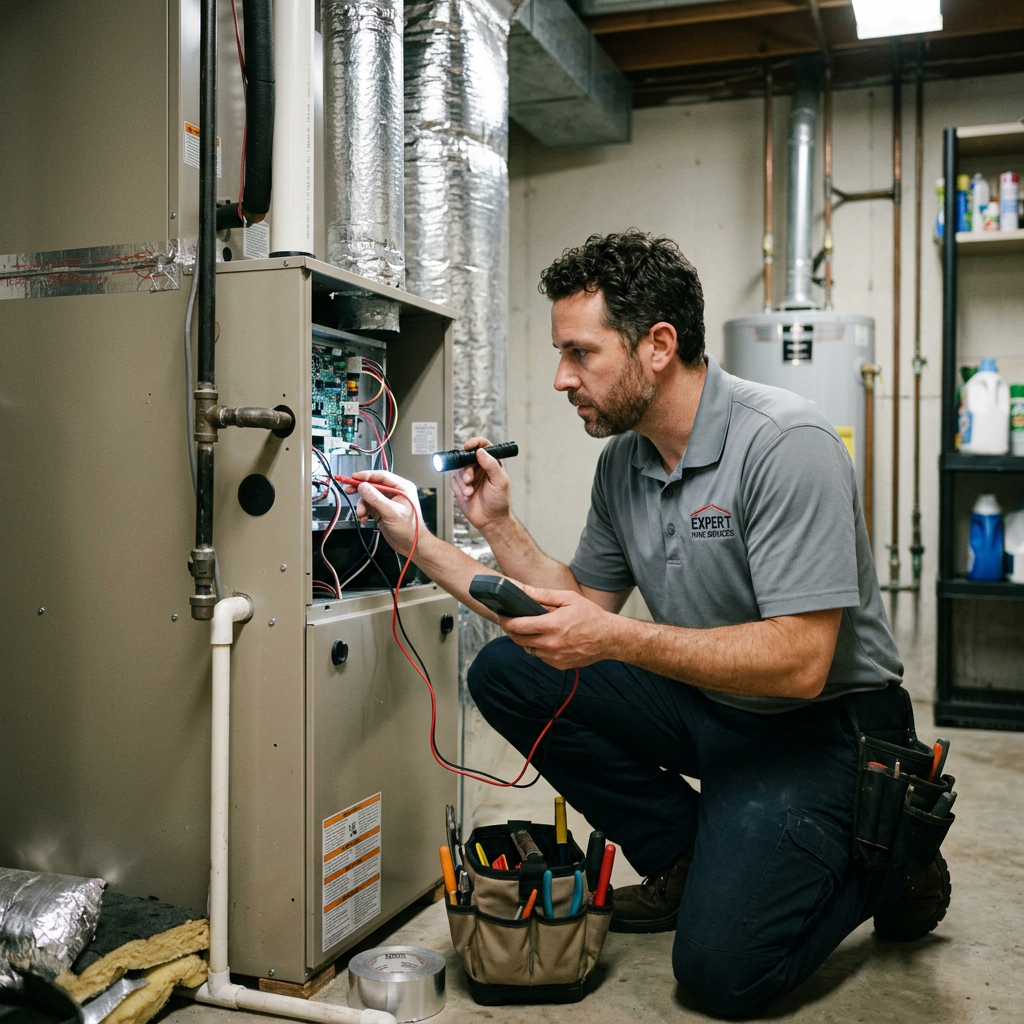
Regular HVAC maintenance is not merely a suggestion; it’s a critical investment in your home’s comfort, health, and financial well-being. Many homeowners overlook their heating, ventilation, and air conditioning systems until a breakdown occurs, leading to inconvenient and often costly emergency repairs. However, a proactive approach to maintenance offers a multitude of benefits that extend far beyond simply preventing a system failure.
One of the most significant advantages of consistent HVAC care is system longevity. Just like a car, an HVAC system has many moving parts that experience wear and tear. Regular tune-ups ensure these components are inspected, cleaned, and lubricated, preventing minor issues from escalating into major problems. This proactive attention can significantly extend the operational life of your equipment, helping your system reach or even exceed its expected lifespan of 10 to 30 years.
Beyond longevity, maintenance profoundly impacts your indoor air quality. Your HVAC system is responsible for circulating air throughout your home. Without proper cleaning, dust, allergens, pet dander, and even mold spores can accumulate in filters, coils, and ductwork, then be recirculated into your living space. This can exacerbate allergies, asthma, and other respiratory issues. A well-maintained system, with clean filters and coils, acts as a more effective air purifier, contributing to a healthier home environment and preventing issues like mold growth.
Warranty compliance is another often-overlooked reason for regular service. Most HVAC manufacturers require proof of annual professional maintenance to keep your warranty valid. Skipping these crucial check-ups could void your warranty, leaving you responsible for the full cost of repairs or replacements that would otherwise be covered.
Perhaps one of the most tangible benefits for homeowners is energy savings. An inefficient HVAC system has to work harder to maintain desired temperatures, consuming more electricity or fuel. Dirty coils, clogged filters, and uncalibrated thermostats can drastically reduce efficiency. For instance, the average home spends nearly $1,900 a year on energy bills, with nearly half of that going to heating and cooling costs. An inefficient system can make these costs even higher. Studies show that a typical house can lose about 20 to 30 percent of the air moving through its duct system due to leaks, holes, and poorly connected ducts, directly impacting energy consumption. In fact, 46% of customers reported spending more or much more on energy costs to cool their homes last summer, often due to neglected maintenance. By optimizing performance, maintenance helps reduce your energy consumption, leading to lower utility bills.
Furthermore, regular maintenance helps prevent other common issues like refrigerant leaks and excessive component wear. Technicians can identify and address small leaks before they lead to significant refrigerant loss, which can damage the compressor and reduce cooling capacity. They also inspect electrical connections, belts, and bearings, ensuring all parts are in good working order. This attention to detail ensures consistent temperatures throughout your home, eliminating hot and cold spots and enhancing overall comfort.
Seasonal Timing for System Inspections
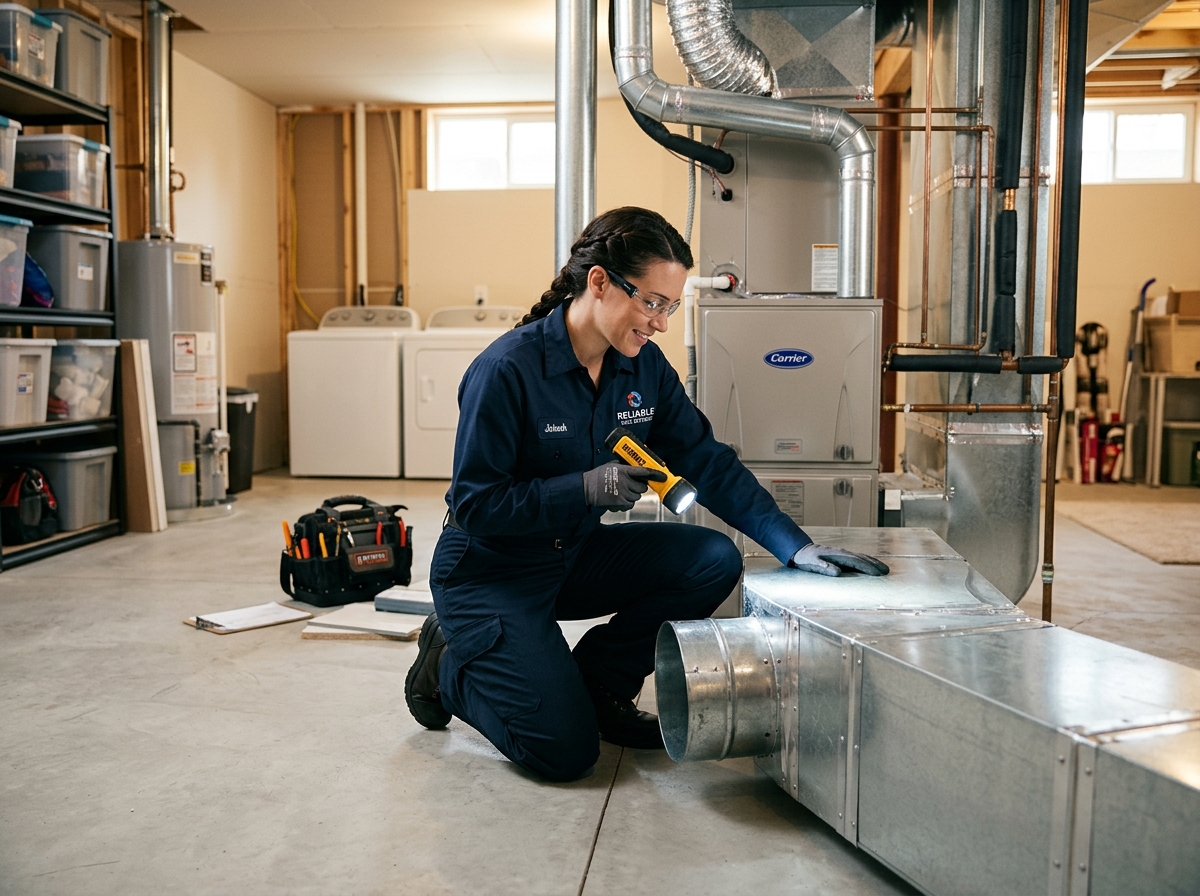
The timing of your HVAC maintenance appointments can be just as crucial as the maintenance itself. Scheduling professional inspections strategically helps prepare your system for the demands of the upcoming season, ensuring optimal performance and preventing breakdowns when you need your comfort system the most.
For your air conditioning system, the ideal time for a professional tune-up is in late winter or early spring, typically before temperatures consistently rise. This allows technicians to identify and address any issues that might have developed during the off-season or over the previous summer. By performing AC maintenance in March, April, or early May, you ensure your unit is ready to tackle the summer heat efficiently. This also helps you avoid the rush of emergency calls that HVAC companies experience once peak cooling season (usually May to August) begins.
Similarly, your heating system—whether it’s a gas furnace, electric furnace, or heat pump—benefits greatly from a professional inspection in late summer or early fall. Scheduling this service in September or October, before the cold weather sets in, ensures your furnace or heat pump is prepared for the heating season (typically November to February). This pre-season check focuses on safety, efficiency, and reliability, especially for gas furnaces, where a thorough inspection of the heat exchanger and burner assembly is vital for preventing carbon monoxide hazards.
Heat pumps, which provide both heating and cooling, operate year-round and therefore require biannual maintenance. It’s recommended to have them serviced once in the spring for cooling and once in the fall for heating, just like separate AC and furnace units. This dual-season approach ensures that all components are regularly checked, given their continuous operation.
Scheduling maintenance during these shoulder seasons offers several advantages. You’ll likely find more flexible appointment times and potentially lower service rates, as technicians aren’t overwhelmed with emergency calls. This proactive approach helps avoid the inconvenience and discomfort of a system failure during extreme weather. It also allows any necessary repairs or part replacements to be completed before your comfort system is put under heavy strain.
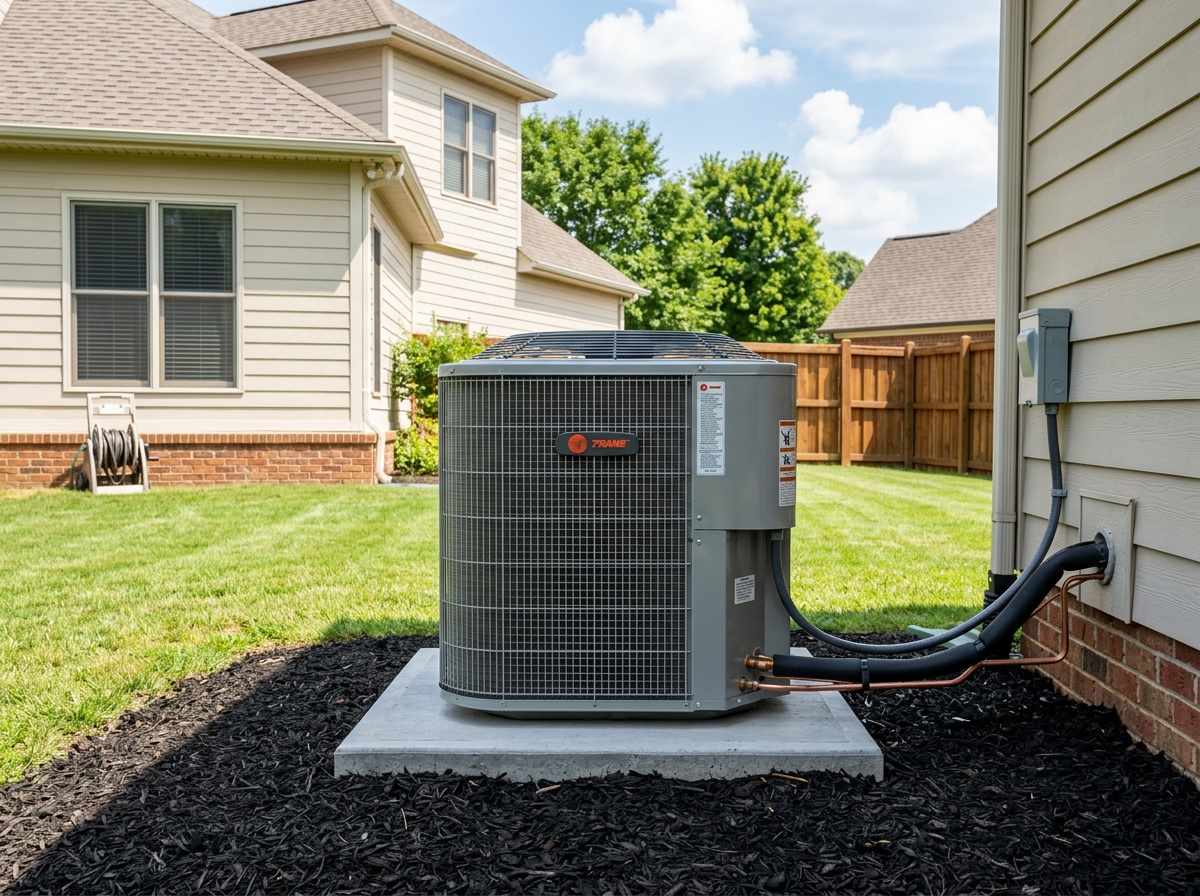
When considering your outdoor condenser unit, ensure there’s adequate clearance around it. Keep plants, weeds, and shrubs trimmed back at least 18 inches to allow for proper airflow. Regularly removing leaves, dirt, and other debris from around the unit helps prevent blockages that can hinder its efficiency. This simple step, combined with professional seasonal inspections, contributes significantly to the overall health and performance of your HVAC system.
Homeowner DIY vs. Professional HVAC Maintenance
Maintaining your HVAC system involves a combination of tasks that homeowners can safely perform and critical inspections and repairs best left to certified professionals. Understanding this distinction is key to ensuring your system runs efficiently and safely without voiding warranties or causing accidental damage.
There are several safe DIY HVAC maintenance tasks that homeowners can and should perform regularly. These tasks are generally straightforward, require minimal tools, and contribute significantly to your system’s efficiency and indoor air quality:
- Filter Replacement: This is arguably the most important DIY task. Air filters should be inspected monthly and changed or cleaned every 30 to 90 days, or more frequently if you have pets, allergies, or live in a dusty environment. A clogged filter restricts airflow, making your system work harder and reducing efficiency.
- Vent Cleaning: Regularly vacuuming or dusting your supply and return air vents ensures unobstructed airflow throughout your home. Make sure no furniture, drapes, or rugs are blocking these vents.
- Thermostat Battery Check: If your thermostat runs on batteries, check and replace them annually, or when the low-battery indicator appears. This prevents unexpected system shutdowns.
- Clear Condensate Drain Line: In humid weather, your AC produces condensate. The drain line can get clogged with algae, leading to water leaks or system shutdown. Periodically pouring a cup of distilled vinegar mixed with water down the drain line can help prevent clogs.
- Outdoor Unit Debris Removal: Keep the area around your outdoor condenser unit clear of leaves, grass clippings, dirt, and other debris. Ensure at least 18-24 inches of clearance for optimal airflow.
While these tasks are manageable for homeowners, many crucial maintenance procedures require the expertise, specialized tools, and knowledge of a professional HVAC technician. Attempting complex repairs or inspections without proper training can be dangerous and may cause further damage to your system. For instance, if you suspect an issue with your furnace, such as strange noises or a burning smell, it’s always best to contact a specialist for Airtech furnace repair to ensure safety and proper diagnosis.
Professional HVAC Maintenance Checklist
A professional HVAC tune-up or inspection typically includes a comprehensive series of checks and adjustments designed to optimize performance, ensure safety, and identify potential problems early. Here’s what you can expect:
- Refrigerant Levels Check: Technicians measure refrigerant levels to ensure they are within the manufacturer’s specifications. Low refrigerant often indicates a leak that needs to be repaired, not just topped off.
- Coil Cleaning: Both indoor evaporator coils and outdoor condenser coils are cleaned. Dirty coils severely impede heat transfer, reducing efficiency.
- Safety Controls Inspection: For furnaces, technicians inspect and test all safety controls, including the limit switch and flame sensor, to prevent hazardous situations.
- Duct Sealing and Inspection: Professionals can inspect your ductwork for leaks and recommend professional sealing using mastic sealant or metal tape (never duct tape, which is not long-lasting for this purpose). They may also check for proper insulation.
- Airflow Measurement: Technicians measure airflow across the evaporator coil and through the ductwork to ensure proper air distribution.
- Burner Adjustment and Heat Exchanger Inspection: For gas furnaces, the burner assembly is cleaned and adjusted for optimal combustion. The heat exchanger is meticulously inspected for cracks, which can lead to dangerous carbon monoxide leaks.
- Electrical Connections and Components: All electrical connections are tightened, and components like capacitors, relays, and contactors are inspected for wear or damage.
- Motor Lubrication: Moving parts, such as fan motors and bearings, are lubricated to reduce friction and wear.
- Blower Assembly Cleaning: The blower motor and fan are cleaned to ensure proper airflow and prevent strain on the motor.
- Thermostat Calibration: The thermostat is checked for accuracy and calibrated if necessary to ensure it’s reading and controlling temperatures correctly.
When to call a professional instead of attempting DIY fixes is a clear line: if a task involves opening up the main unit, dealing with electrical wiring, working with refrigerant, or anything that requires specialized tools or training, it’s time to call in the experts.
Identifying Warning Signs and System Failures
Even with diligent maintenance, HVAC systems can develop issues. Recognizing the early warning signs of a problem can help you address them promptly, potentially preventing costly repairs or complete system failure. Your HVAC system often communicates its distress through changes in its operation or performance.
One of the most common indicators is unusual noises. While some operational sounds are normal, grinding, squealing, banging, hissing, or bubbling sounds are red flags. A grinding noise might indicate a problem with a motor bearing, while a hissing sound could point to a refrigerant leak. Banging often suggests a loose or broken part inside the unit.
Burning odors are another serious warning sign, especially from a furnace. A burning smell can indicate overheating electrical components, a dirty burner, or even a cracked heat exchanger leaking carbon monoxide. If you detect a burning smell, particularly a metallic or chemical odor, it’s crucial to turn off your system immediately and contact a professional.
Uneven cooling or heating throughout your home suggests a problem with air distribution, refrigerant levels, or component function. If some rooms are significantly warmer or colder than others, your system might be struggling to maintain consistent temperatures.
Short cycling, where your system turns on and off frequently without completing a full cycle, is a sign of inefficiency and potential component stress. This can be caused by a variety of issues, from an oversized unit to low refrigerant or a faulty thermostat.
A noticeable increase in your utility bills without a corresponding change in usage habits is a strong indicator that your HVAC system is losing efficiency. This could be due to dirty coils, clogged filters, duct leaks, or other underlying issues forcing the system to work harder.
Other signs include a frozen coil (often appearing as ice on your outdoor unit or refrigerant lines), which typically points to restricted airflow or low refrigerant. Water leaks around your indoor unit can indicate a clogged condensate drain line or a crack in the drain pan. Persistent humidity issues, either too high or too low, can also signal that your HVAC system isn’t managing indoor air effectively.
Finally, consider the age-related degradation of your system. While HVAC systems can last 10 to 30 years with proper maintenance, older units are more prone to breakdowns. If your system is nearing the end of its expected lifespan and exhibits any of these signs, it might be time to consider a replacement rather than continuous repairs. Acting on these warning signs promptly can prevent a minor issue from escalating into an emergency, saving you discomfort and money in the long run.
Improving Efficiency and Indoor Air Quality
Optimizing your HVAC system’s efficiency and ensuring high indoor air quality are two sides of the same coin, both significantly enhanced through proper maintenance and strategic upgrades. An efficient system not only keeps your home comfortable but also reduces your carbon footprint and energy bills.
One of the most impactful ways to boost efficiency is by considering ENERGY STAR certified models when it’s time to replace an older system. These units are designed to use less energy, and replacing old heating and cooling equipment with ENERGY STAR certified models can save nearly $140 annually. Beyond new installations, maintenance plays a crucial role in maintaining the efficiency of your existing system.
Smart HVAC maintenance solutions are increasingly popular for modern homes. These systems often integrate with smart thermostats that offer advanced features like programmable settings, performance tracking, and automated alerts. A smart thermostat allows you to set precise temperature schedules, optimizing energy use when you’re away or asleep. Some even provide energy reports, giving you insights into your consumption patterns. For those looking to delve deeper into how these technologies can enhance their home’s comfort and efficiency, exploring resources on smart HVAC maintenance solutions can provide valuable insights into available options and their benefits.
Duct insulation and proper sealing are vital for efficiency. As mentioned earlier, 20-30% of air can be lost through leaky ducts. Sealing and insulating accessible ductwork prevents conditioned air from escaping or unconditioned air from entering, ensuring that the air you pay to heat or cool actually reaches your living spaces.
For indoor air quality (IAQ), beyond regular filter changes, considering HEPA filters can make a significant difference. While not all HVAC systems can accommodate true HEPA filters due to airflow restrictions, higher MERV (Minimum Efficiency Reporting Value) rated filters can capture smaller particles, allergens, and pollutants. Additionally, professional duct cleaning, though not needed annually, can remove accumulated dust, debris, and potential mold from your ductwork, further improving IAQ.
It’s also essential to be mindful of carbon monoxide safety, especially with gas furnaces. Regular professional maintenance includes inspecting the heat exchanger for cracks that could leak this odorless, colorless, and deadly gas into your home. Ensure you have working carbon monoxide detectors on every level of your home.
TABLE: HVAC System Lifespans and Maintenance Needs
HVAC System Type Average Lifespan (with maintenance) Recommended Maintenance Frequency Key Maintenance Focus Central Air Conditioner 15-20 years Annually (Spring) Refrigerant, coils, electrical Gas Furnace 15-30 years Annually (Fall) Heat exchanger, burner, safety controls Heat Pump 10-20 years Biannually (Spring & Fall) Refrigerant, coils, defrost cycle Boiler 20-30 years Annually (Fall) Water pressure, valves, combustion Smart HVAC Maintenance for Modern Homes
Modern homes are increasingly equipped with advanced HVAC systems and controls that offer sophisticated maintenance capabilities. These smart HVAC systems go beyond simple programmable thermostats, providing homeowners with unprecedented control and insight into their comfort systems.
Key features include performance tracking, where the system continuously monitors its own operation, identifying deviations from optimal performance. This data can be accessed through mobile apps, allowing homeowners to see how efficiently their system is running in real-time.
Automated alerts are another significant benefit. If the system detects an issue, such as a clogged filter or a potential component failure, it can send notifications directly to your smartphone or email. Some advanced systems can even alert your HVAC service provider directly, allowing for proactive scheduling of maintenance or repairs.
Remote diagnostics allow technicians to access system data remotely (with your permission), often enabling them to diagnose problems before even arriving at your home. This can lead to faster, more efficient service calls.
Many smart thermostats also generate energy reports, detailing your heating and cooling usage patterns and suggesting ways to save energy. This empowers homeowners to make informed decisions about their comfort settings.
For larger homes or those with varying heating and cooling needs, zoning systems integrated with smart controls are highly beneficial. These systems allow different areas of your home to be heated or cooled independently, preventing energy waste in unoccupied rooms and enhancing comfort where it’s needed most. Regular sensor calibration ensures that these systems accurately read temperatures and humidity levels, maintaining precise climate control throughout your home. Embracing these smart technologies not only improves efficiency and air quality but also streamlines the maintenance process, making it easier to keep your HVAC system in top condition.
Frequently Asked Questions about HVAC Maintenance
We often receive common questions from homeowners regarding the best practices for HVAC maintenance. Here, we address some of the most frequent inquiries to help you better understand how to care for your system.
How often should I change my HVAC air filters?
The frequency of air filter changes depends on several factors, but a good rule of thumb is to perform monthly inspections. For most homes, filters should be changed or cleaned every 30 to 90 days. However, this interval can be shorter if certain conditions apply:
- Pet Dander Impact: Homes with pets, especially those that shed a lot, will accumulate more pet dander and hair in filters, requiring more frequent changes (every 30-60 days).
- High-Traffic Homes: If you have a large family, frequent visitors, or live in a dusty area, your filter will likely get dirty faster.
- Allergies or Respiratory Issues: If anyone in your household suffers from allergies, asthma, or other respiratory conditions, changing filters more often (every 30 days) can significantly improve indoor air quality.
- System Usage: During peak heating or cooling seasons when your HVAC system runs almost continuously, monthly changes might be necessary.
Always check your filter monthly. If light doesn’t easily pass through it, it’s time for a change. Pay attention to the MERV ratings of your filters; higher MERV ratings capture smaller particles but may restrict airflow in some older systems. Consult your HVAC professional or owner’s manual for the appropriate MERV rating for your unit.
What steps should renters take for HVAC upkeep?
Even as a renter, you have a role in maintaining the HVAC system in your living space. While major repairs and professional maintenance are typically the landlord’s responsibility, there are key steps you can take to ensure the system runs well and to protect your comfort:
- Filter Changes: This is usually the renter’s responsibility. Regularly change the air filter as recommended (every 1-3 months). This is crucial for both efficiency and indoor air quality.
- Vent Obstruction: Ensure that all supply and return air vents are free from furniture, drapes, or other obstructions. Blocked vents hinder airflow and make the system work harder.
- Reporting Leaks and Issues: Promptly report any unusual noises, smells, water leaks, or performance issues (e.g., uneven heating/cooling, system not turning on) to your landlord or property management. Document your communication.
- Thermostat Management: Operate the thermostat responsibly. Avoid extreme temperature settings and consider using a programmable thermostat if allowed, to manage energy use efficiently.
- Lease Obligations: Review your lease agreement carefully to understand your specific responsibilities regarding HVAC maintenance. Some leases might specify filter types or cleaning requirements.
By taking these steps, renters can contribute to a comfortable living environment, prevent minor issues from escalating, and demonstrate responsible tenancy.
What are common mistakes to avoid during DIY care?
While DIY maintenance can be beneficial, certain mistakes can lead to reduced efficiency, system damage, or even safety hazards. Here are common pitfalls to avoid:
- Closing Too Many Vents: While it might seem logical to close vents in unused rooms to save energy, closing more than 20% of your home’s vents can create excessive pressure within the ductwork. This can strain your blower motor, reduce overall system efficiency, and potentially lead to premature component failure. If you want to zone your home, consider professional zoning systems.
- Using Duct Tape for Duct Sealing: Despite its name, standard duct tape is not an effective or long-lasting solution for sealing duct leaks. It degrades over time, losing its adhesive properties. Always use mastic sealant or metal-backed foil tape for proper duct sealing.
- Neglecting Outdoor Units: The outdoor condenser unit for ACs and heat pumps needs clear space around it. Forgetting to trim vegetation or clear debris can restrict airflow, causing the unit to overheat and work less efficiently.
- Skipping Professional Tune-Ups: DIY tasks are complementary, not a replacement for professional maintenance. Skipping annual or biannual professional tune-ups means missing critical inspections of electrical components, refrigerant levels, heat exchangers, and other complex parts that only a certified technician can safely assess.
- Ignoring Strange Sounds: Don’t dismiss unusual noises coming from your HVAC system. Grinding, squealing, banging, or hissing sounds are often indicators of underlying mechanical problems that require professional attention. Ignoring them can lead to more extensive and costly repairs down the line.
By being aware of these common mistakes, you can ensure your DIY efforts are genuinely beneficial and contribute positively to your HVAC system’s health.
Conclusion
Maintaining your HVAC system is a cornerstone of responsible homeownership, offering far-reaching benefits for your comfort, finances, and well-being. From extending the lifespan of your equipment and ensuring warranty compliance to significantly reducing energy bills and improving indoor air quality, the advantages of preventative care are undeniable.
We’ve explored the importance of seasonal professional inspections, distinguishing between the safe and effective DIY tasks homeowners can perform and the critical services best left to certified technicians. We’ve also highlighted the warning signs that signal a need for attention and how modern smart HVAC solutions can enhance efficiency and provide valuable insights.
A well-maintained HVAC system translates into a home with consistent, reliable climate control, healthier air, and lower operational costs. By prioritizing your HVAC maintenance, you’re not just fixing problems; you’re investing in the long-term value and comfort of your home.
Discover more from The Cameron Journal
Subscribe to get the latest posts sent to your email.




