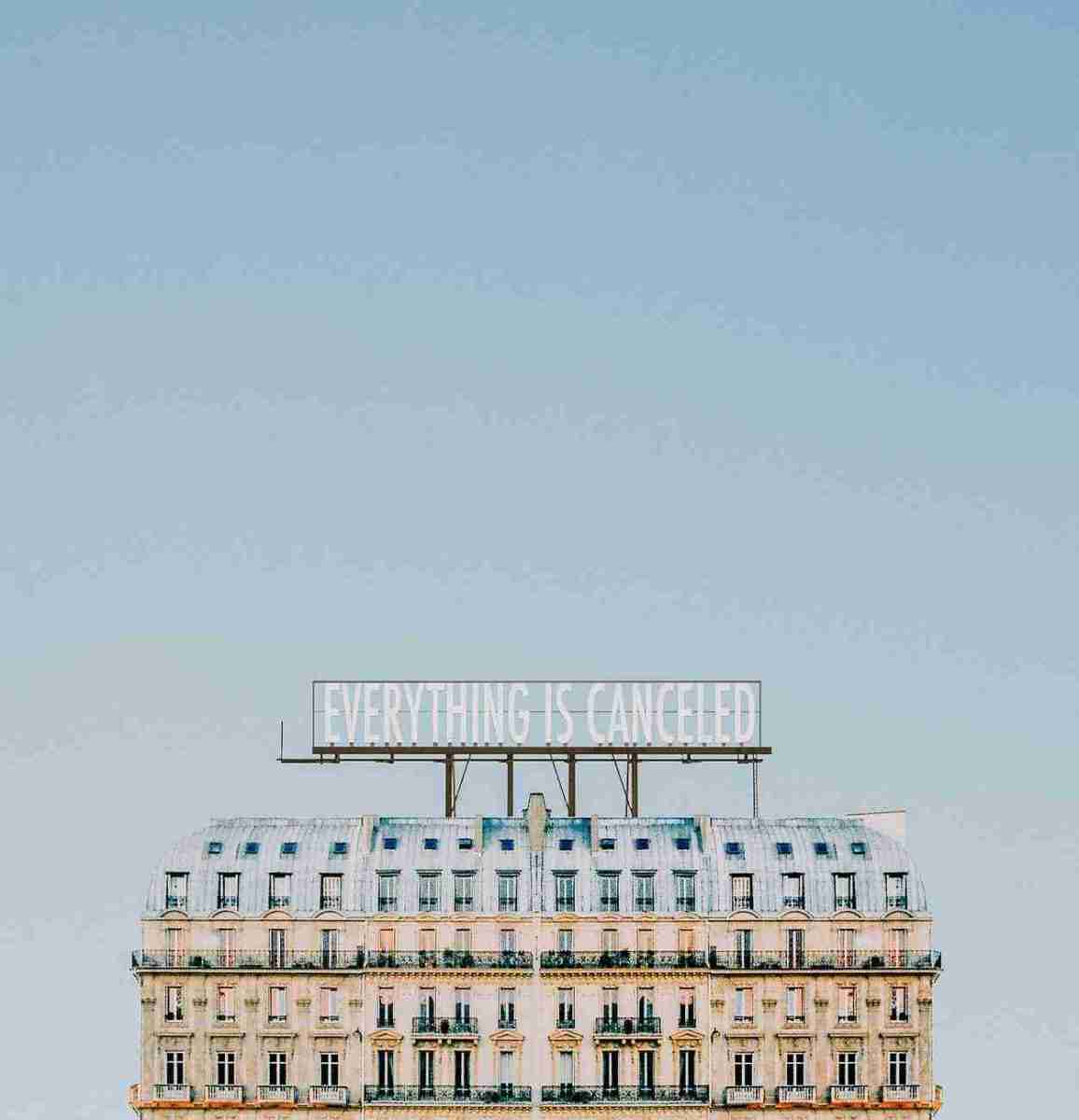
We are in the middle of a great debate about cancel culture. On the Right, we have Fox news obsessing with cancel culture and why so much of American life seems to be no longer suitable for consumption. This has reached every area of life, from TV advertisements (remember the Gillette scandal?) to football (Colin Kaepernick) to the latest scandal with Dr. Seuss. Even beloved author J.K. Rowling has been “canceled” by people for asking questions about the transgender movement and women’s rights. Careers have been ruined, people have been de-platformed, and favorite stars have been dumped from the popular consciousness. Some of these, like Louie CK and Harvey Weinstein, was well deserved, but others like Roseann Barr are a bit more gray. There is a new set of social rules that are to be assiduously followed by people in the public eye lest Twitter find out and a backlash ensue. However, there is a historical parallel worth drawing in this time of cancel culture. As with most things in the US, it involves the Puritans.
The Puritans
One of the biggest pushes for colonization in the new world was religious freedom. Although the colony of Jamestown had already been founded in, what is now Virginia, the Puritans were seeking a free land where they could practice their uniquely conservative form of Christianity without much outside interference from the state religion. The Scrooby colony sailed first for the Netherlands because the Netherlands had religious freedom, but they found the culture far too licentious for their tastes, and on the Mayflower, they made their way to the new world. After landing at Plymouth, more of their order would follow to the New World, and their influence in New England would grow. The Puritans had high moral standards, strict gender roles, and a distinctive hierarchy both within the home and within their greater society. Although their society would integrate with the broad American society by the 19th century, the idea that the ideal American life was one grounded in Christian morals is an idea that pervades to this day.
Cancel Culture 17th Century Style
In the early colonial days, the world was a dangerous place. The forests of New England were vast and were filled with dangers, both natural and indigenous. There were raids by the local indigenous population on the new colonies, as well as bears, wolves, and other natural predators. It was nearly impossible for someone to exist in this vast land (that only new to them) without the greater group’s aid and protection. Getting shunned or canceled could be a death sentence. For women, the 17th-century cancel culture usually resulted in being burnt at the stake or otherwise killed. The Salem Witch Trials are the most well-known example of this, but any woman could be accused of witchcraft for any small thing she might do “wrong” and soon find herself hauled before the stern town council. If she was lucky, she might simply be punished in the stocks, but at worst, the sentence was death. Public humiliation was a passive aspect of their moral enforcement. Not only would your shame come before authorities, but it would be announced to all friends and family. There was no escape from the shame of moral indiscretion. Even church attendance was mandatory was many of the early colonists. It was a world where the rules were clearly set out, and the consequences for violating the moral code were swift and sure. Anyone could be “canceled” at any time and removed from the town, colony, or from life itself.
New Morality
Much in the same way the Puritans used public shame to enforce their moral code, cancel culture does much of the same thing to enforce a new moral code that changes at the whims of Twitter. The IDW certainly stands against this idea. It seems at odds with a liberal and open society. But I would contend that we have rarely been a liberal and open society. Morals laws existed well into the 1960s. George Carlin was arrested for foul language in Minnesota because it was against the law. Two Texas men were prosecuted under a dated sodomy statute because their neighbor saw them having sex. We, as a society, are always having a conversation about what behavior is allowable in our society.
In recent years we have decided that we don’t want predatory men in powerful positions to abuse their power with sex. We have also decided that there is racist imagery around that needs to be expunged. We have also decided that the LGBT community is something to be accepted and even celebrated. A new kind of morality has sprung up that allows people to express their sexuality and gender in any way they choose, and those who stand against that or disagree with it are to be shunned from civilized society. I don’t necessarily think that this is a good course of action. The Civil Rights movement did not end racism. There were still people who had racist opinions after that bill was signed and maintain those opinions to this day. I am alright living in a society where people have racist opinions as long as they keep it private and don’t restrict access to services. Racism rears its ugly head in the form of voter suppression laws. I don’t need every actor and artist that I love to agree with me politically. We should have a spirited debate about how to handle these problems in society. While we cannot debate the existence of people (and we should not), we can certainly have a discussion about the effect these new changes are having on society and work to find solutions if we cannot have a conversation about it, then what kind of society are we running.
Let’s face it; we are descended, at least culturally, from those Puritans who demanded moral homogeneity, and I can’t help but look at modern cancel culture and see the same practice in play. We don’t give me people room to grow. We hold people accountable for things said decades ago when this moral code was non-existent. Times have changed and certainly for the better. I feel safer in modern society than ever before. However, we need to come together and talk about creating a society that everyone can live and participate in rather than simply throwing out people who disagree with a certain group of people. Let them have their opinions. As long as everyone can access services and institutions, then that is change enough for now. Social change takes time, often generations, to become realized. But as MLK reminded us: history bends towards justice.
Discover more from The Cameron Journal
Subscribe to get the latest posts sent to your email.