Key Takeaways
- Establish a comprehensive budget, including a contingency fund for unexpected expenses.
- Select a location that aligns with your lifestyle and future plans.
- Design a functional layout that accommodates current and future needs.
- Ensure compliance with local building codes and obtain necessary permits.
- Choose durable, high-quality materials suitable for your region’s climate.
- Hire reputable professionals with proven track records.
- Develop a realistic timeline and prepare for potential delays.
- Plan for utilities and infrastructure early in the process.
- Consider future maintenance requirements and plan accordingly.
- Maintain flexibility to adapt to unforeseen challenges during construction.
Embarking on the journey of building your dream home can be one of the most rewarding and complex ventures you’ll experience. From financial preparations to the very first consultation with professionals, every step plays a crucial role in shaping the outcome of your future residence. Ensuring you make thoughtful, informed choices at the start can mean the difference between a project filled with setbacks and a seamless, exciting new chapter.
Understanding that each decision carries long-term implications, careful planning is vital for both financial security and peace of mind. Working with experts such as custom home builder Sarasota is invaluable in this process. Vertical General Contracting serves the Sarasota area and nearby parts of Florida, known for delivering high-quality custom homes. With extensive experience and a strong portfolio, the company is well-versed in local regulations and design practices, helping homeowners navigate challenges specific to Sarasota. The guide emphasizes foundational considerations for a successful construction journey, from budgeting to adapting to uncertainties, ensuring that the process aligns with the homeowner’s vision and resources.
1. Budget Planning
A well-structured budget is fundamental. Factor in every aspect from land acquisition and site preparation, through construction materials and labor, to finishings and landscaping. Don’t overlook legal fees, permit applications, surveys, or interior design costs. Most importantly, reserve an extra 10 to 20 percent as a contingency fund for unexpected hurdles. This approach helps you weather surprises without derailing your schedule or vision. Regularly revisiting your budget throughout the project minimizes risk and maximizes control.
2. Choosing the Right Location
Your home’s location influences not only its future market value but also your daily happiness and convenience. Take time to thoroughly investigate neighborhoods, considering proximity to work, schools, medical services, and shopping. Additionally, consider factors such as flood risk, crime statistics, available amenities, and the trajectory of local development. Areas that are planned for future improvement or infrastructural expansion can offer great value, but always balance potential with current realities.
3. Designing a Functional Layout
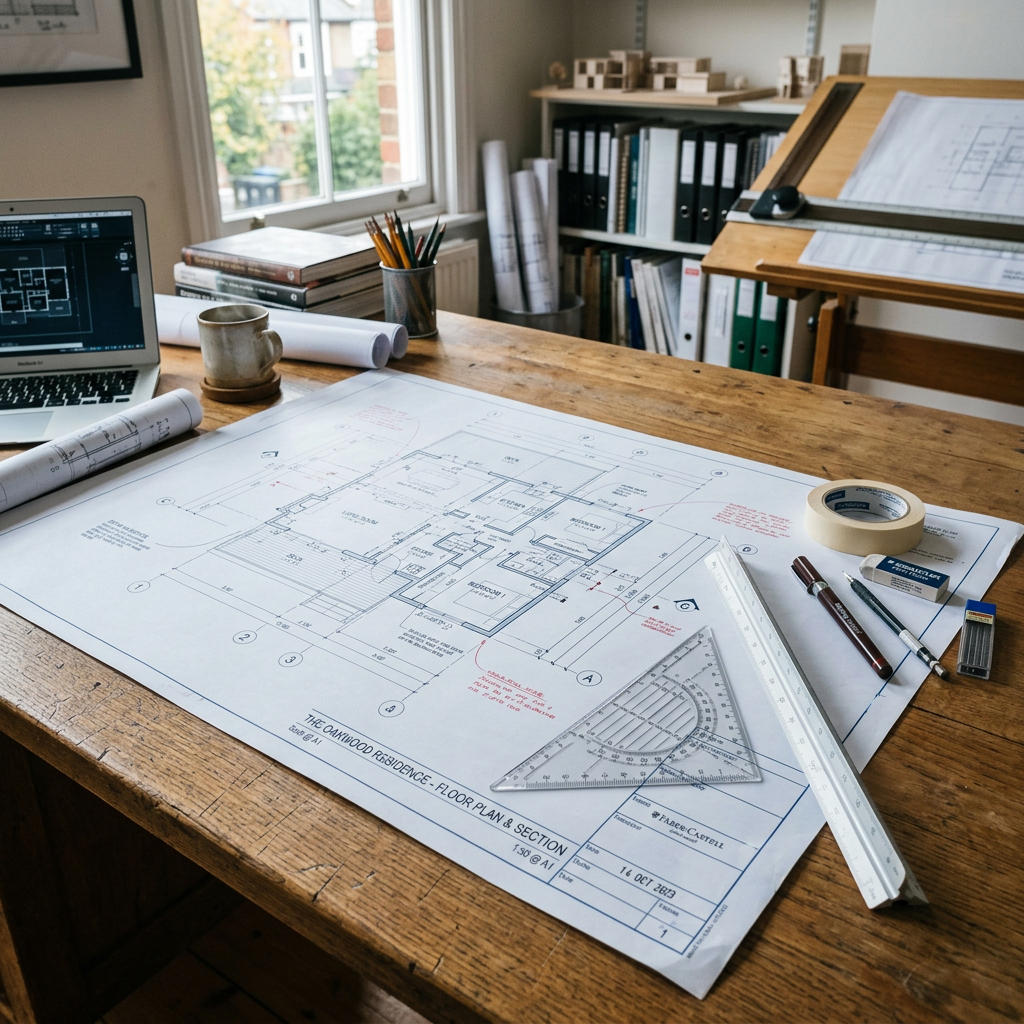
Collaborate closely with architects and designers to ensure the layout meets your needs both now and in the years ahead. Consider the home’s orientation to capture natural light, take advantage of prevailing breezes, and frame views. Incorporate accessible design for future needs, and prioritize efficient flow between spaces. Carefully planned kitchens, workspaces, and family areas can enhance the property’s livability and long-term value. Lean toward open, energy-efficient layouts that are cost-effective to maintain and easy to adapt later.
4. Navigating Permits and Regulations
Local building codes and zoning regulations are foundational to your planning process. Failing to obtain the right permits can result in costly delays or forced changes to your plans. Familiarize yourself with setback requirements, environmental regulations, and any specific neighborhood association restrictions, if applicable. Green building techniques and compliance with the latest energy-efficiency standards can also reduce costs and add long-term value while reducing your home’s environmental footprint.
5. Selecting Quality Materials
Choose building materials that are suited to your local climate and lifestyle. Durable roofing, resilient siding, insulated windows, and smart flooring choices can protect your investment and minimize recurring maintenance. Opting for quality does not just add style to your home; it ensures longevity and fewer repairs. Materials that are popular for their energy efficiency or sustainability can also decrease operational costs and align with emerging market trends.
6. Hiring Reputable Professionals
Your choice of builder and key contractors is pivotal in determining the project’s success and satisfaction. Take the time to evaluate licensed, insured professionals with a strong reputation and a proven portfolio. Do not hesitate to request references from former clients. Effective communication, efficient scheduling, and transparency in bidding set the best teams apart. Vertical General Contracting’s reputation in Sarasota comes from their deep engagement at every stage of construction and their commitment to exceeding client expectations.
7. Establishing a Realistic Timeline
Develop a comprehensive timeline detailing all milestones, from initial clearing and foundation work to the final walk-through. Recognize that disruptions, such as unfavorable weather or backorders, can occur. Collaborate with your team to build some flexibility into the schedule and to keep you informed about progress. Realistic planning keeps your expectations grounded and protects against unnecessary stress.
8. Planning for Utilities and Infrastructure
Contact utility providers early to coordinate the installation of essential services such as power, gas, water, and sewage. These discussions should run parallel to your building plans to avoid last-minute complications. Consider how your infrastructure supports daily life; for instance, is there adequate outdoor lighting, accessible driveways, or sufficient parking? Improvements in these areas can enhance function, security, and curb appeal.
9. Considering Future Maintenance
Strategic choices now can significantly reduce your home’s maintenance needs later. Prioritize materials and systems known for durability and minimal upkeep. Establish an easy-to-follow maintenance schedule for major systems, including heating, ventilation, air conditioning, and roofing. Proactive care prolongs each component’s lifespan, promotes efficiency, and can save substantial costs over time.
10. Maintaining Flexibility
The homebuilding journey often deviates from plans. Stay adaptable to site, design, or personal changes. Communicate regularly with your project team to handle challenges and build a home that reflects your vision. Attention to detail, transparency, and good partners make the process manageable and rewarding. Every decision creates a lasting home for you and your family.
Conclusion
Achieving financial freedom starts with understanding your debt, disciplined budgeting, and consistent action. Assess your finances and create a realistic budget to control your money and make progress. Choose a repayment method, snowball or avalanche, for structure and momentum. Tools such as debt consolidation, emergency savings, and income growth can strengthen your financial health. Seeking professional advice when needed keeps you on track. Staying disciplined, motivated, and patient is key to success. With effort and a plan, you can reduce stress, eliminate debt, and build a secure financial future.
Discover more from The Cameron Journal
Subscribe to get the latest posts sent to your email.