
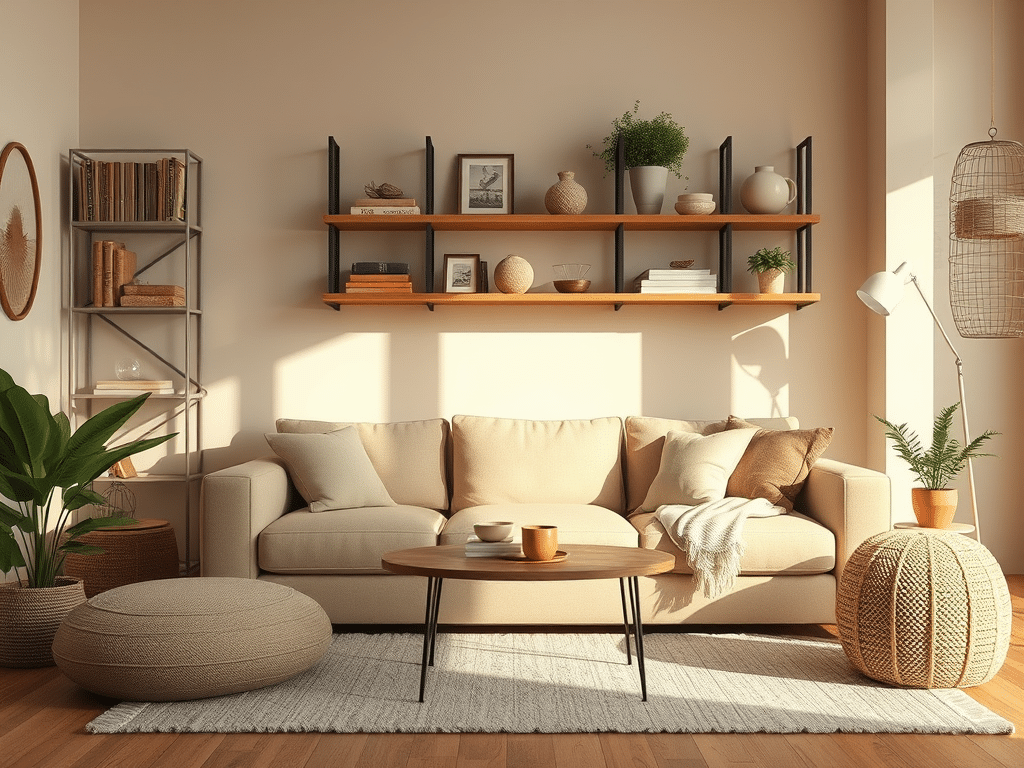
When everything in your life feels slightly out of tune, you’ll often catch yourself pushing a couch to the left, reorganising a shelf that was perfectly fine, or suddenly needing to change the entire layout of a room. You might call it procrastination or impulse, but it’s usually something deeper. It’s your mind reaching for clarity in the easiest place it can find it, your physical environment.
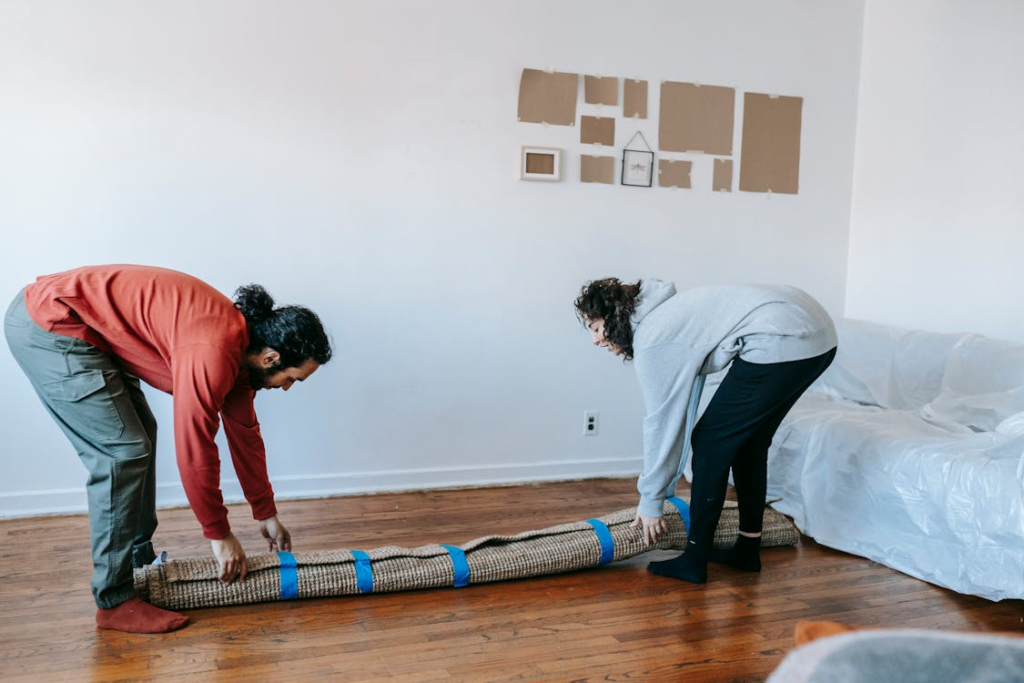
Via Pexels
How Your Environment Becomes a Mirror for Your Inner State
You don’t wake up and rearrange your home without reason. Even if it feels random, it’s often a reflection of emotional noise you haven’t fully named yet. When your mind feels tangled, you gravitate toward the one area where rearranging actually works. Move a chair, and the room instantly shifts. Clear a counter, and you feel your breath return.
It’s not about the chair or the counter. It’s the relief of seeing something move because you told it to. When work, relationships, or expectations feel messy, changing your environment becomes your way of reclaiming a tiny pocket of agency.
Your home becomes a living map of the things you’re processing internally. A tidy corner signals the need for calm. A sudden urge to declutter signals the need for space. A full redesign signals a deeper desire for renewal, one that life hasn’t offered you yet.
The Materials You Choose When You Crave Stability
When life feels unsettled, you don’t just rearrange; you also gravitate toward specific materials. You’ll notice yourself reaching for textures that ground you. Thick fabrics. Solid wood. Natural fibres. Things that feel weighty, honest, warm.
And yes, even browsing something as simple as flooring or soft underfoot materials can become a way of imagining stability before you feel it. It’s the reason a site like https://carpetsinter.com/ suddenly becomes irresistible. You’re not really shopping, you’re visualising a version of your life where things feel softer, more structured, more held.
Materials are emotional. They shape the way you breathe in a room. When everything else feels unpredictable, textures become a quiet anchor.
What Your Decorating Habits Reveal About Your Coping Strategies
How you decorate under pressure says more about your coping style than you realise. If you move things constantly, you may be someone who thinks through motion, restlessness on the outside, helping to untangle restlessness on the inside.
If you strip rooms down, removing clutter until the space feels almost bare, you may be someone who copes by eliminating emotional noise.
If you add new items, plants, candles, small décor, you may be soothing yourself with softness, warmth, and visual comfort.
None of these behaviours are shallow. They’re adaptive. They’re practical. They’re your mind using your home as a safe testing ground for emotional clarity.
When Rearranging Becomes Your Quiet Reset Button
Each small shift you make in your home is a way of telling yourself: I can still create order here.
Even if the world feels chaotic. Even if nothing else is changing as fast as you want it to.
Rearranging isn’t avoidance. It’s regulation. And sometimes, it’s the most honest way to find your footing again, one shelf, one chair, one tiny corner at a time.
Discover more from The Cameron Journal
Subscribe to get the latest posts sent to your email.





