Why Fashion Designers Love Velcro
Fashion has always been about innovation—about finding new ways to express creativity while balancing function and form. While materials like silk, leather, and denim get the spotlight, one humble yet transformative element often works behind the scenes: Velcro. What started as a practical fastening solution has evolved into a beloved tool for designers around the world. From haute couture runways to adaptive apparel, Velcro offers endless design potential. With the convenience and flexibility of velcro adhesive tape, modern fashion creators can easily experiment with closures, structures, and styling details that push boundaries while staying accessible to everyone.
The Hidden Hero of Modern Design
Velcro’s appeal lies in its simple yet powerful hook-and-loop mechanism. Invented in the mid-20th century, it quickly gained popularity in industries like aerospace and medicine. But designers soon recognized its potential beyond the practical. Unlike buttons or zippers, Velcro offers smooth, adjustable fastening without limiting motion or adding bulk. This makes it a designer’s dream material—especially for creating garments that balance structure and comfort.
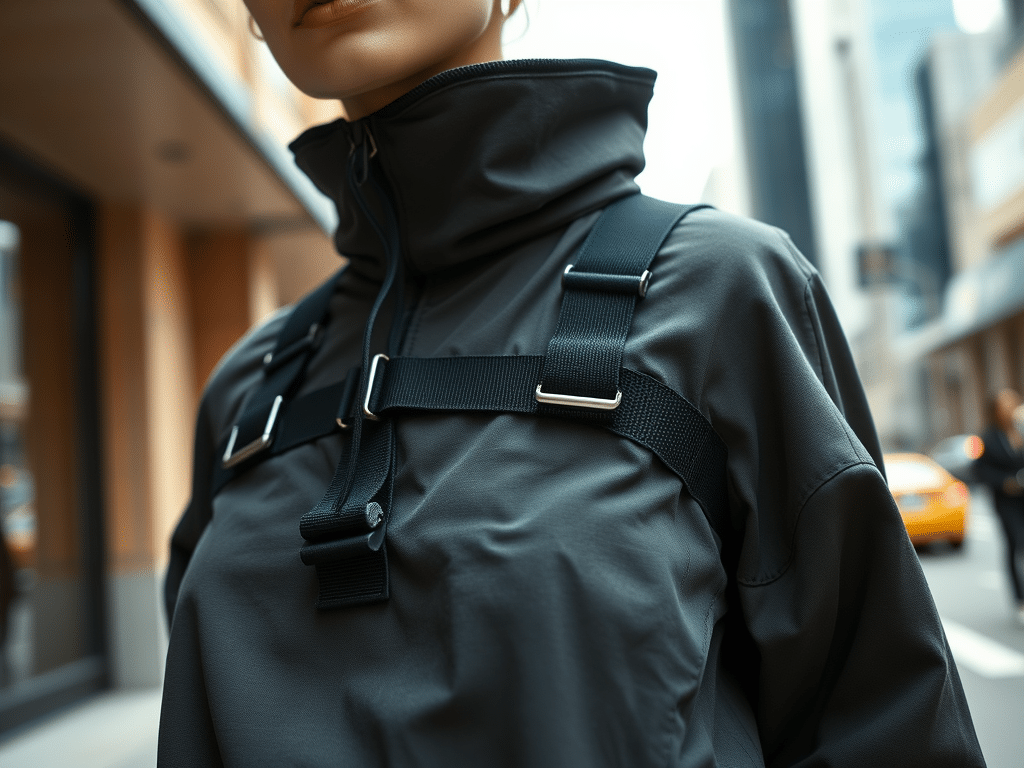
What makes Velcro particularly interesting is how it merges technology with artistry. Its adaptability allows it to function as both a utility element and a statement detail. In streetwear, for example, Velcro straps can serve as bold accents, while in high fashion, hidden Velcro seams can make intricate garments easy to wear and adjust. Designers value the ability to turn a functional feature into a creative one—a perfect fusion of design and practicality.
Accessibility and Adaptive Fashion
One of the most significant ways Velcro has transformed modern fashion is through inclusivity. For people with disabilities, injuries, or limited dexterity, traditional clothing fasteners can be a challenge. Velcro eliminates these barriers by providing an easy, secure, and adjustable closure system. Adaptive fashion—a growing sector focused on accessible clothing—often relies heavily on Velcro for this reason.
Designers working in this field appreciate Velcro’s ability to provide both independence and dignity to wearers. A jacket with Velcro instead of buttons or a shoe with adjustable straps can make a world of difference for someone managing limited hand mobility. The National Institute of Health (NIH) has highlighted how accessible design improves quality of life and encourages self-expression, reinforcing the importance of thoughtful innovation in fashion.
This approach to design isn’t just functional—it’s empowering. By integrating Velcro into their work, designers create garments that are stylish and easy to use, proving that accessibility and beauty can coexist seamlessly.
Fashion Innovation and Experimentation
Velcro has also become a favorite in avant-garde and high-fashion circles. Its adaptability makes it a perfect tool for designers exploring new silhouettes, modular garments, or transformative pieces. Because Velcro allows quick attachment and detachment, it supports experimentation during both the design process and the final product.
Think of garments that can change shape, layers that can be added or removed, or accessories that reconfigure into entirely new forms—all made possible through Velcro fastening. Some designers even use it for detachable embellishments, allowing wearers to personalize their look on the go. This spirit of customization resonates with today’s fashion consumers, who value individuality and sustainability.
Velcro’s role in experimental fashion also extends to performance wear and technology integration. It supports wearable tech designs where parts need to be easily removed for charging or cleaning, and its strength makes it ideal for securing heavy or movable components.
Sustainability Through Reusability
Sustainability has become a defining theme in modern fashion, and Velcro aligns beautifully with this goal. Its durability and reusability make it an eco-friendly fastening option compared to single-use adhesives or disposable closures. Designers who focus on upcycling or modular fashion use Velcro to create pieces that can evolve over time instead of being discarded.
For example, detachable panels or interchangeable accessories can refresh a look without requiring an entirely new garment. This reduces waste and encourages mindful consumption. As noted by the Ellen MacArthur Foundation, modular and adaptable design is a key principle of a circular fashion economy—an approach Velcro naturally supports.
Velcro also contributes to the longevity of garments by offering a closure system that withstands repeated use. Unlike zippers that can break or buttons that can fall off, Velcro can continue functioning effectively for years with minimal maintenance. That reliability helps designers create fashion that lasts, not just trends that fade.
Velcro as a Design Element
Beyond its function, Velcro has aesthetic appeal. Its textured surface and structured form lend a modern, industrial edge to clothing and accessories. In contemporary fashion, this look fits perfectly with utilitarian and streetwear aesthetics. Designers often use Velcro panels or straps as visible accents that emphasize movement, layering, or bold minimalism.
In footwear, Velcro straps have become iconic—seen in both luxury sneakers and functional athletic designs. They offer a sleek alternative to laces while adding visual interest. Bags, belts, and even jewelry have embraced Velcro’s distinctive look, merging fashion and functionality in clever ways.
Velcro’s versatility also makes it ideal for costume and stage design, where quick changes are crucial. The ability to attach and remove parts instantly saves time and allows for dramatic transformations mid-performance, making it indispensable in theater, dance, and entertainment industries.
Empowering Creativity in All Levels of Fashion
What’s remarkable about Velcro is how it empowers creativity across every level of the fashion world—from independent designers crafting adaptive wear to global brands pushing haute couture innovation. It invites experimentation, encourages sustainability, and makes fashion more inclusive and functional.
For students and emerging designers, Velcro’s simplicity makes it a great learning tool. It allows them to test new design ideas quickly without complex stitching or closures, turning their focus to structure and concept rather than just construction.
The Future of Velcro in Fashion
As technology and fashion continue to intertwine, Velcro’s role will likely expand even further. Designers are already integrating it into smart clothing, wearable tech, and sustainable collections. It’s not just a fastener—it’s a material that embodies adaptability, which is the future of fashion itself.
Velcro supports innovation while staying timeless in its purpose: making clothing more functional, comfortable, and expressive. Whether it’s holding together a high-fashion gown, a stage costume, or an adaptive jacket, Velcro proves that simplicity can drive the most profound creative breakthroughs.
In the end, fashion designers love Velcro because it allows them to do what they do best—create. It transforms everyday functionality into art, turning a small piece of technology into one of fashion’s most powerful tools.
Discover more from The Cameron Journal
Subscribe to get the latest posts sent to your email.