


Why Does My Body Hurt So Bad After a Car Accident? Muscle Pain, Soreness, and Delayed Symptoms Explained.
You walked away from a vehicle accident feeling fine. No broken bones, no visible injuries. But now, hours or days later, your body feels like it’s been hit by a truck. Every muscle aches. Your neck is stiff. Your back throbs.
Pain after a car accident affects up to 90% of victims, even in minor crashes. The impact forces your body absorbs can cause serious damage that doesn’t appear immediately.
Understanding why soreness develops is crucial for getting proper treatment. Car accident victims and other accident victims need to know the science behind post-accident pain, common injuries, and when to seek medical help if you’ve been involved in an auto accident. Your body is sending important signals. Let’s decode them.
In this article, experts from NorthStar Medical Center in Downers Grove, specializing in auto accident injury treatment, share insights on how to recognize hidden injuries and speed up recovery after a crash.
Why Does Your Body Hurt? Pain After a Car Accident Explained.

The Physics of Impact
When your vehicle stops suddenly during a collision, your body doesn’t. Newton’s laws of motion explain why even a low-speed impact can cause significant injury. If you’re traveling at 30 mph, your body continues moving at that speed until something stops it.
The steering wheel, seatbelt, or airbag absorbs this force. This sudden deceleration tears muscles, stretches ligaments, and bruises connective tissue throughout your body.
Your Body’s Protective Response
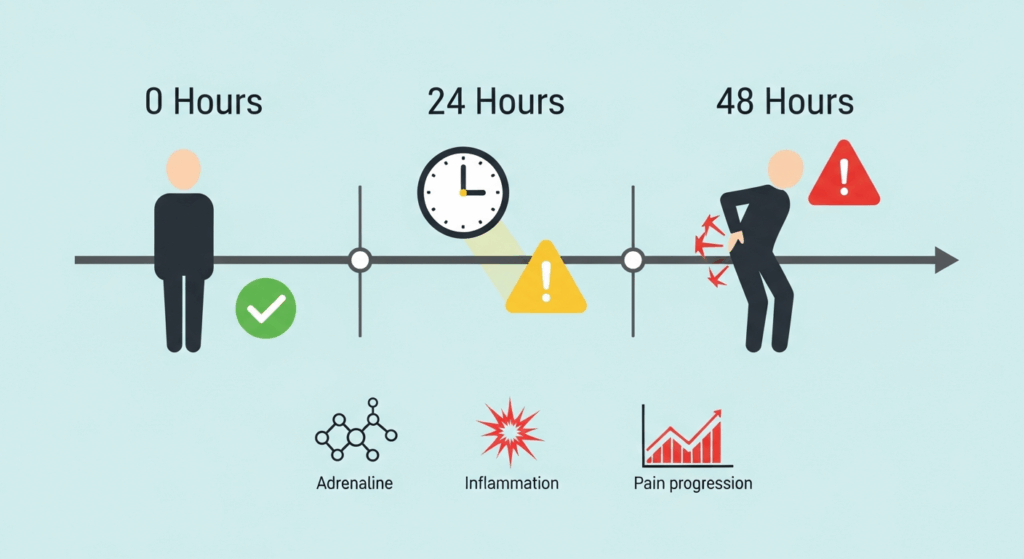
Immediately after a car accident, you might feel surprisingly okay. Your brain floods your system with adrenaline and endorphins. These hormones temporarily mask pain signals, allowing you to focus on safety and survival.
This is why many people don’t feel pain immediately after the accident. The protective response can last for hours or even a full day. When the adrenaline wears off, the pain hits hard.
Inflammation Takes Time
Your body responds to tissue damage by triggering inflammation. This protective mechanism brings blood flow and healing cells to injured areas. Tissue inflammation typically peaks 24 to 48 hours after impact.
That’s why delayed symptoms are so common. The swelling puts pressure on nerves, causing the intense aching and stiffness you feel days after a car accident.
Common Injuries From a Car Accident That Cause Muscle Pain

Your body contains over 600 muscles, 900 ligaments, and 4,000 tendons. Any of these structures can be damaged during a collision, leading to widespread pain and soreness.
Understanding which injuries cause pain or discomfort helps you recognize what’s happening in your body. Let’s look at the most common car accident injuries from these crashes.
Muscle Pain After a Car Crash: Strains and Ligament Injuries
A muscle strain occurs when muscle fibers tear or overstretch during impact. This is how a car accident can cause damage to soft tissues like muscles. The torn muscle tissue triggers inflammation, which irritates surrounding nerves.
You’ll feel this as sharp pain, burning sensations, or muscle spasms. Soft tissue injuries often include these painful spasms that indicate damage from a genuine injury rather than simple soreness.
Tissue damage can affect any muscle group. Arms, legs, chest, and abdominal muscles frequently suffer strains during crashes.
Whiplash and Neck Pain
Whiplash is the most common injury from rear-end crashes. Your head snaps forward and backward violently, tearing muscles, ligaments, and tendons in your neck. This rapid motion can damage up to seven cervical vertebrae and result in severe injuries.
Neck or back pain from whiplash often radiates to your neck and upper back. Many victims also experience severe headaches and dizziness.
Back Pain After a Car Crash and Spinal Injuries
Spinal injuries range from strains to herniated discs. Back pain after a car accident can signal serious damage to your vertebrae or spinal cord. Herniated discs press on nerves, causing numbness, tingling, or shooting pain down your legs.
Lower back injuries are especially common in side-impact crashes. The force twists your spine unnaturally.
Shoulder Pain and Other Personal Injuries
Your seatbelt saves your life but can cause significant shoulder pain. The restraint focuses tremendous force on one shoulder, causing deep bruising, sprains, or rotator cuff tears. The impact can also fracture your collarbone.
Personal injuries from impacts include chest contusions, rib fractures, and internal organ damage. Even airbag deployment can cause facial injuries and burns. An accident can result in multiple types of trauma simultaneously.
Delayed Symptoms After a Car Accident: Why Pain Appears Later
The Hidden Timeline
Not all injuries announce themselves immediately. Symptoms can take hours, days, or even weeks to appear following a car accident. Studies show that 75-90% of victims experience some form of pain after an accident.
Your body’s stress response masks early warning signs. Adrenaline suppresses pain signals while your system focuses on immediate threats. When this biological response fades, the true extent of your injuries becomes apparent.
Internal bleeding, blood clots, and organ damage often show no immediate symptoms. These hidden injuries from a car accident can be life-threatening if left untreated.
Dangerous Warning Signs
Certain delayed pain symptoms require immediate medical attention. Severe abdominal pain may indicate internal bleeding or organ damage. This is especially dangerous because an injury may worsen rapidly without visible signs.
Numbness and tingling in your extremities suggest nerve damage or spinal cord injury. These sensations mean your nerves aren’t communicating properly with your brain. Lower back discomfort accompanied by leg numbness often signals a herniated disc pressing on nerve roots.
Persistent headaches, confusion, or memory problems point to traumatic brain injuries. Even mild concussions can cause serious long-term complications. Dizziness, nausea, and vision changes are red flags that demand immediate evaluation.
Don’t wait for injury symptoms to worsen. Early medical intervention prevents complications and documents your condition for insurance claims.
How Long Does Muscle Soreness Last When You’re Sore After a Car Accident?

Most people feel sore after a car accident for six to eight weeks. However, the duration of muscle soreness depends heavily on the severity of the injury. Your age, overall health, and how quickly you seek treatment also affect recovery time.
Minor strains typically heal within three weeks with proper rest. More serious injuries from car accidents require longer healing periods. Severe whiplash can cause pain and stiffness for two to three months or longer.
Without proper medical treatment, acute pain can develop into chronic pain. This transformation happens when injured tissues don’t heal correctly. Untreated injuries can cause chronic pain that persists for months or even years, significantly impacting your quality of life.
If pain persists for six weeks or pain persists longer than expected, consult a doctor immediately.
When to Seek Medical Attention Immediately After an Accident

Get Immediate Evaluation
Always see a doctor within 24 hours of any crash, even if you feel fine immediately afterward. Many serious injuries don’t produce immediate symptoms. Early diagnosis catches problems before they become life-threatening complications.
Medical documentation also protects your legal rights. Insurance companies often deny claims when there’s a gap between the incident and your first doctor visit. They argue that what a car accident may have caused couldn’t be serious if you waited days or weeks to seek help. A personal injury attorney can assist you if your insurance company is trying to deny claims or avoid a payout for the full amount of damages you’re entitled to.
If you’ve been injured in a crash and need help understanding your legal options, speaking with an experienced accident law firm can be an important next step. Duran and McDonald helps accident victims navigate the legal process and pursue the compensation they may be entitled to after an injury.
A thorough medical examination identifies hidden damage through X-rays, MRIs, or CT scans. Doctors can spot fractures, internal bleeding, and tears in the soft tissues of the body that you can’t feel yet.
Recognize Red Flag Injury Symptoms
Certain symptoms demand immediate emergency care. Severe or worsening pain after car crashes signals that something is seriously wrong. Don’t try to tough it out or wait to see if it improves.
Numbness, tingling, or weakness in your arms or legs indicates potential nerve damage. This can lead to permanent disability if left untreated. Any loss of bowel or bladder control requires immediate hospitalization.
Confusion, severe headaches, or vision problems suggest a traumatic brain injury. Abdominal pain, especially with nausea or vomiting, may indicate internal organ damage. Any injury in a car accident requires proper evaluation, especially chest pain or difficulty breathing that could signal rib fractures or heart problems.
Seek medical attention immediately if you experience any of these warning signs. Anyone injured in a car accident should prioritize their health and safety.
Treatment for Back Pain and Muscle Pain Relief: Preventing Chronic Pain

Conservative Treatment Approaches
Pain after a car accident responds well to conservative treatment. Rest is crucial during the first 48 hours to prevent further tissue damage. Apply ice packs initially to reduce swelling, then switch to heat therapy to improve blood flow.
Pain relief medications help alleviate muscle discomfort while your body heals. Over-the-counter options include ibuprofen and acetaminophen. Your doctor may prescribe stronger medications for severe pain.
Physical therapy plays a vital role in recovery in the aftermath of a car accident. Car accidents can result in complex injuries requiring specialized rehabilitation. A trained therapist designs exercises to restore strength, flexibility, and range of motion.
Working with Specialists
Spinal discomfort after the crash often requires specialized care. Chiropractors realign your spine and relieve pressure on nerves. They’re particularly effective for whiplash and facet joint injuries.
Physical therapists create customized rehabilitation programs. These programs gradually rebuild muscle strength and prevent chronic pain from developing. They also teach proper body mechanics to avoid re-injury.
Neurologists treat nerve damage and herniated discs. Orthopedic surgeons handle severe fractures and structural damage. If you’ve experienced car accident trauma, consistently following your treatment plan ensures the best recovery outcomes for injuries caused by a car accident.
Conclusion

Pain after a collision is your body’s warning system. Don’t ignore these signals, even if symptoms appear days after the incident. Seek immediate medical care to diagnose injuries and begin treatment.
If you’re experiencing pain and suffering from personal injuries, consult with experienced accident lawyers or a car accident lawyer. An accident attorney can help protect your rights and ensure you receive fair compensation for medical expenses and lost wages. If an injury after a car accident affects your life, many lawyers offer support with car accident claims today for a free consultation.
Discover more from The Cameron Journal
Subscribe to get the latest posts sent to your email.




