Key Takeaways
- Minor, isolated problems in a newer furnace are often worth repairing.
- Repeated breakdowns, declining comfort, and higher utility costs can make replacement the smarter long-term choice.
- Furnace age matters, but maintenance history, safety, repair cost, and parts availability matter too.
- Gas odors, smoke, sparks, and carbon monoxide alarms require immediate action.
- Routine maintenance helps identify developing problems before a cold-weather breakdown.
A furnace problem can quickly turn from inconvenient to urgent when temperatures drop. Whether you are dealing with weak airflow, odd noises, or no heat at all, getting an early diagnosis gives you more choices. Homeowners who need same day furnace service in Ruston, Louisiana can benefit from prompt professional troubleshooting before a small issue becomes a complete system failure. The repair-or-replace decision should not be based on a single factor. Consider the furnace’s age, safety, service record, repair estimate, energy use, and ability to heat the home evenly. A practical evaluation can prevent unnecessary replacement while helping you avoid putting more money into a system that is no longer dependable.
Why Furnace Problems Often Appear at the Worst Time
Many furnaces sit idle for months before the first sustained cold spell. When the system starts running regularly again, weak ignition parts, dirty filters, worn blower components, blocked vents, and thermostat issues can become obvious. A furnace may appear fine during a short test run, then struggle once it must operate for hours each day. Waiting until the house feels cold can limit your options. For example, a homeowner may notice short cycling, where the furnace starts and stops repeatedly, but puts off service because the home is still warm enough. If that condition leads to a failed igniter, overheating problem, or blower failure during a hard freeze, the repair can become more urgent and disruptive.
Common Signs a Furnace May Need Repair
Not every heating issue means the furnace has reached the end of its life. However, the following warning signs deserve attention:
- Cold air or only mildly warm air coming through supply vents.
- Uneven temperatures between rooms or floors.
- Short cycling or repeated start-and-stop operation.
- Banging, rattling, scraping, squealing, or other new noises.
- Weak airflow from vents, even when the thermostat is set correctly.
- Burning, musty, or gas-like odors.
- A pilot light, ignition, or thermostat problem.
- Frequent thermostat resets or a furnace that does not respond consistently.
- Higher energy use without a clear change in weather or household habits.
When a Repair Usually Makes Sense
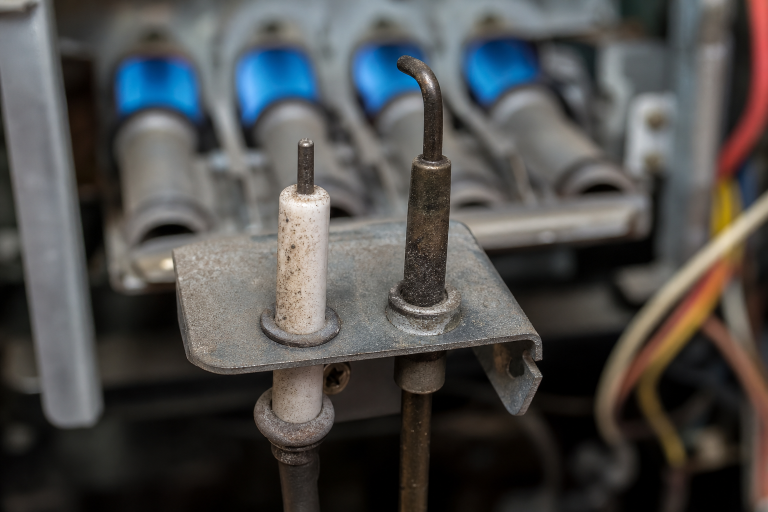
Repair is often the practical choice when the furnace is relatively new, has been maintained consistently, and has a single identifiable problem. A dirty flame sensor, a clogged air filter, a failed igniter, a worn blower component, or a malfunctioning thermostat can often be addressed without replacing the entire system.
Good Reasons to Approve a Repair
- The furnace is still within a reasonable portion of its expected service life.
- The issue involves a replaceable part rather than a major failure.
- The unit has a solid service history and has not needed repeated repairs.
- The repair cost is modest compared with the cost of a properly installed replacement.
- The system continues to operate safely and heat the home evenly after repair.
Homeowners can usually replace filters, keep vents clear, and note unusual performance changes. Work involving gas lines, electrical controls, burners, venting, or combustion components should be left to qualified technicians.
When Furnace Replacement May Be the Better Choice
Replacement deserves serious consideration when a furnace has become expensive, unreliable, unsafe, or poorly matched to the home. A repair may temporarily restore heat, but it may not solve the larger problem of an aging system with a growing record of failures.
- The furnace is near the end of its expected useful life.
- Breakdowns occur several times during the heating season.
- Repair bills are frequent, expensive, or increasing each year.
- The system cannot maintain a steady, comfortable indoor temperature.
- Energy bills rise while performance and airflow decline.
- A heat exchanger or another major component has serious damage.
- Replacement parts are obsolete, difficult to source, or no longer cost-effective.
- The furnace no longer suits the home’s size, layout, insulation level, or ductwork.
How Furnace Age Fits Into the Decision
Age is a helpful clue, not an automatic replacement rule. Check the installation date, equipment label, warranty information, and past service records. A well-maintained older furnace with one affordable repair may still have useful life left. On the other hand, a newer furnace that has suffered repeated breakdowns or installation-related problems may require a more detailed evaluation. Think about the pattern, not just the calendar. If a system has needed several repairs in the last two years and still cannot keep rooms comfortable, replacement may offer better value than continuing to patch individual problems.
The Repair-or-Replace Cost Test
Before approving major work, use a simple process to compare the short-term price with the likely long-term value:
- Ask for a clear explanation of the failed part and why it failed.
- Request the full repair estimate, including labor, materials, and any diagnostic charges.
- Compare that estimate with the cost of a correctly sized replacement system.
- Review the furnace’s age and the cost of recent repairs.
- Ask how long the repair is expected to extend the furnace’s useful life.
- Check whether a manufacturer or labor warranty covers the part or system.
The least expensive option today is not always the lowest-cost choice over the next several years. A replacement can be reasonable when it reduces recurring repairs, improves comfort, and provides more predictable operation.
Safety Issues That Need Immediate Attention
Some furnace problems are routine. Others are urgent. Leave the home and contact the gas utility or emergency services if you smell a strong gas odor. Turn off the furnace if you see smoke or sparks, or notice a strong electrical burning smell. Do not continue operating a fuel-burning furnace when a carbon monoxide alarm sounds. Headache, dizziness, nausea, weakness, confusion, or unusual fatigue can be signs of carbon monoxide exposure. Get to fresh air and seek emergency help if symptoms occur. The CDC’s carbon monoxide poisoning guidance explains why furnaces and other fuel-burning appliances need proper venting, annual service, and working alarms near sleeping areas.
What a Professional Furnace Inspection Should Cover
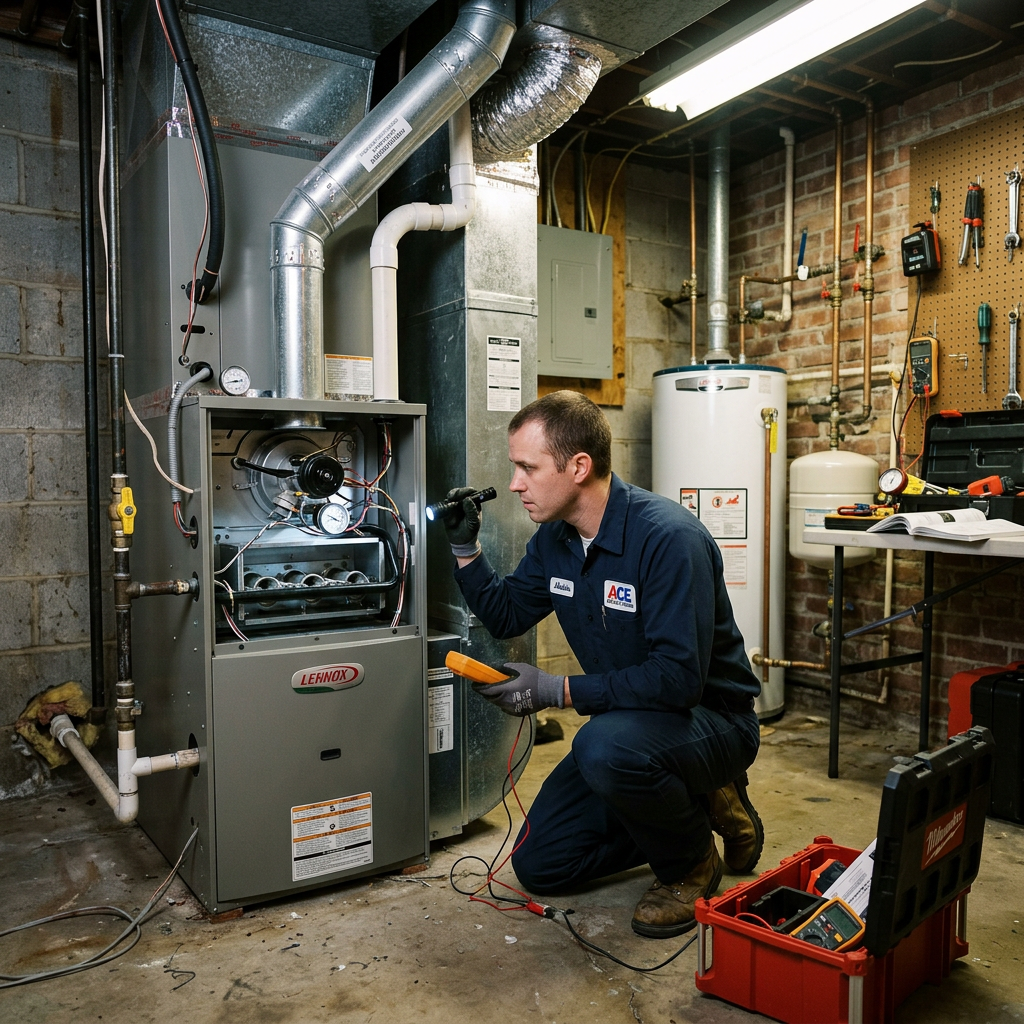
A thorough inspection should go beyond simply confirming that the furnace turns on. It should include thermostat operation, filter condition, electrical connections, blower performance, ignition components, burners, heat exchanger condition, airflow, temperature rise, drainage, and flue or vent pathways. The technician should also look for corrosion, overheating, loose connections, and other signs of unsafe operation. The Consumer Product Safety Commission recommends a yearly professional inspection of fuel-burning heating systems, including furnaces, flues, chimneys, and vents.
Simple Furnace Care Between Service Visits
- Replace or clean the air filter according to the manufacturer’s schedule.
- Keep furniture, rugs, curtains, and boxes away from supply and return vents.
- Keep the area around the furnace clean, dry, and free from stored materials.
- Make sure outdoor vents remain clear of leaves, snow, nests, and debris.
- Test smoke and carbon monoxide alarms regularly.
- Write down changes in noises, smells, airflow, and heating performance.
- Keep a record of service dates, repairs, and replaced parts.
Questions to Ask Before Approving Repair or Replacement
- What caused the problem, and is the furnace safe to operate?
- Which parts need repair or replacement?
- How long should this repair reasonably last?
- Are replacement parts still readily available?
- What warranty applies to the repair or replacement?
- Will a replacement require ductwork, wiring, venting, or drainage updates?
- Has the proposed furnace been properly sized for the home?
Repair or Replace: A Quick Decision Guide
- Newer furnace with one minor fault: Repair is often practical.
- Older furnace with repeated breakdowns: Compare replacement options carefully.
- Carbon monoxide, combustion, or gas safety concern: Shut down the system and seek professional help immediately.
- Rising energy use and weak performance: Review both repair costs and replacement efficiency options.
- Major component failure under warranty: Evaluate repair before deciding to replace the entire system.
Final Thoughts
The right furnace decision involves more than one repair bill. Safety, age, comfort, energy use, repair history, warranty coverage, and parts availability should all guide the choice. Consider how often the system requires service, whether heating performance has become inconsistent, and how future maintenance costs compare with the benefits of installing a newer unit. A professional inspection can help identify underlying issues that may not be obvious during routine use. Addressing warning signs early can preserve more options, helping you decide whether a focused repair can restore reliable heat or whether replacement makes better long-term sense. Making an informed decision can improve comfort, reduce unexpected breakdowns, and support more dependable heating throughout the colder months.
Discover more from The Cameron Journal
Subscribe to get the latest posts sent to your email.