
Your sewer line probably isn’t something you think about until it starts acting up. Then suddenly, every slow drain and suspicious patch of lawn feels like a warning sign. If you’re dealing with recurring clogs, odors, or soggy ground, it helps to know what’s actually happening underground. A sewer repair isn’t always the backyard-destroying nightmare people imagine, and your options may be far less dramatic than the phrase “sewer line problem” suggests.
How Sewer Line Problems Usually Start
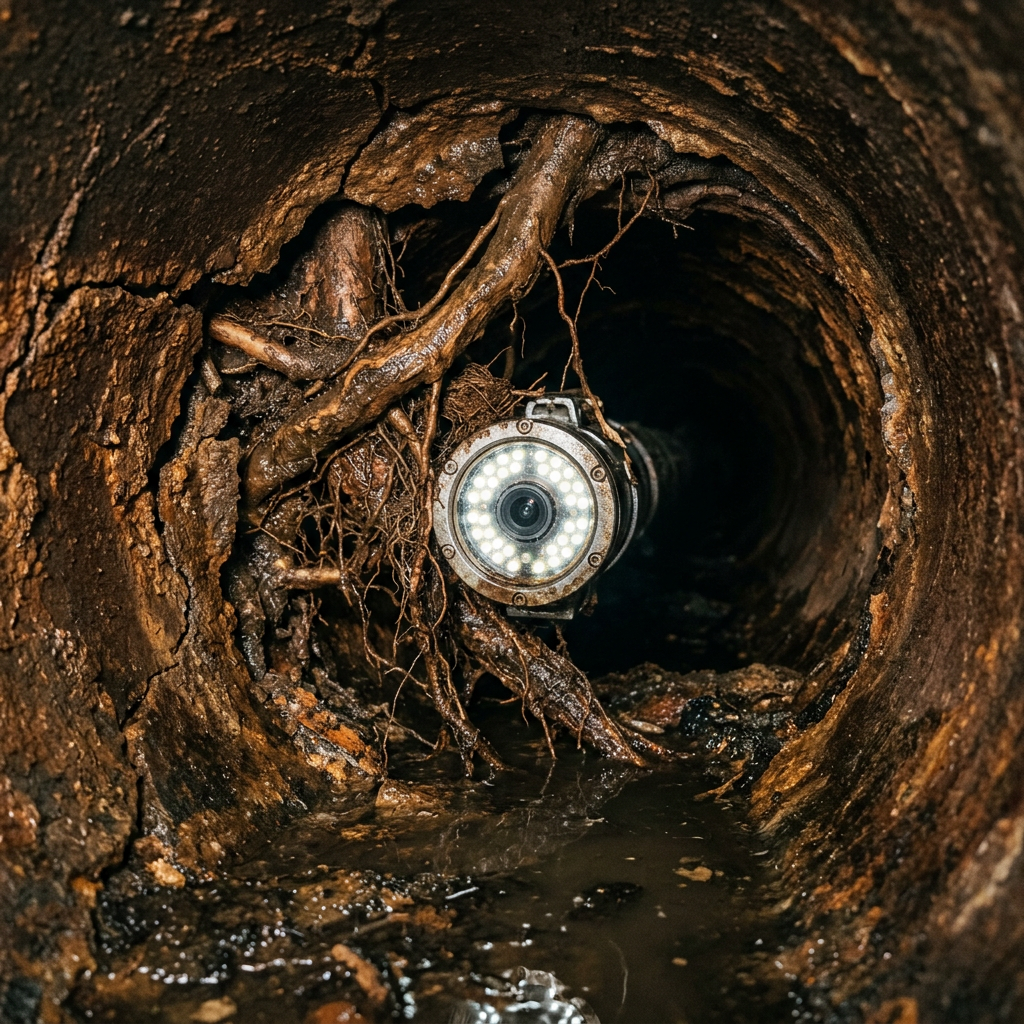
Most sewer line issues build slowly. Tree roots creep toward moisture, old pipes crack, grease hardens, and shifting soil puts pressure on joints. You may first notice gurgling toilets, drains that keep backing up, or a sewage smell that refuses to leave.
Older homes often have clay or cast-iron pipes, which are more likely to corrode, crack, or separate over time. Even newer systems can run into trouble if debris keeps collecting in one spot. A single clog is annoying. A clog that keeps returning usually points to something deeper in the line.
Weather can also play a role. Heavy rain saturates the soil, movement increases, and weak pipe sections may finally give out. Your plumbing system doesn’t need a dramatic collapse to cause major inconvenience.
The Warning Signs You Shouldn’t Ignore
Some sewer problems whisper before they start shouting. Catching those early clues can save you time, money, and a truly unpleasant cleanup.
Watch for signs like:
– More than one drain backing up at the same time
– Water rising in the tub when you flush the toilet
– Persistent sewage odors inside or outside your home
– Unusually green or soggy patches in the yard
– Frequent need for drain clearing
– Slow drainage throughout the house, not just one sink
If one bathroom sink is slow, that may be a local clog. If your shower, toilet, and kitchen drain all seem confused at once, the main line may be the issue.
This is where a camera inspection matters. It gives you a direct look at what’s happening inside the pipe instead of turning diagnosis into an expensive guessing game.
Why Traditional Sewer Repair Can Be So Disruptive
When people hear “sewer repair,” they often picture trenches carved across the lawn, broken sidewalks, and landscaping reduced to a memory. That image exists for a reason. Traditional repair usually involves digging to reach the damaged pipe.
That approach can still be necessary in certain cases, especially if a pipe has fully collapsed or the line is severely offset. Even so, excavation creates a chain reaction of extra work. You’re not only fixing plumbing. You may also be paying to restore grass, driveways, patios, and irrigation systems.
The repair itself may be straightforward. The mess around it usually isn’t.
There’s also the practical headache of access. If the damaged section runs beneath mature trees, hardscaping, or part of a driveway, getting to it becomes a project with a capital P. No homeowner gets excited about that kind of surprise.
How Trenchless Repair Changes the Equation
Modern plumbing offers a better option in many situations: trenchless sewer repair. Instead of digging a long trench across your property, plumbers use specialized methods to repair or replace the line with minimal excavation.
The two common techniques are pipe lining and pipe bursting. Pipe lining creates a new inner layer within the existing pipe using a resin-coated liner. Pipe bursting breaks apart the old pipe while pulling a new one into place. Both methods reduce damage above ground and can move much faster than old-school excavation.
That matters if your sewer line runs under a driveway, walkway, or landscaped yard you’d rather not see turned into a construction zone. Less digging often means less restoration work, less downtime, and a much easier week for you.
When a No-Dig Option Makes the Most Sense
Trenchless methods aren’t magic, and they aren’t right for every damaged sewer line. They work best when the pipe path is still accessible and the damage fits the method being used.
You may be a strong candidate if:
– The pipe has cracks, leaks, or root intrusion
– The line hasn’t completely collapsed
– You want to preserve landscaping or hardscaping
– The damaged section runs under structures or pavement
– A camera inspection shows the pipe can support lining or bursting
A qualified plumber will usually inspect the line first, measure the damage, and explain whether a trenchless approach is realistic. That inspection matters more than any sales pitch. Sewer work isn’t cheap, so you want proof, not plumbing theater.
A good recommendation should connect the repair method to the actual condition of your line, not just what sounds modern.
Questions to Ask Before Approving the Work
It’s easy to panic when sewage enters the conversation. Still, this is the moment to ask sharp questions. The quality of the repair depends as much on the diagnosis and installation as the method itself.
Ask things like:
– What exactly did the camera inspection show?
– Is the pipe cracked, blocked, offset, or collapsed?
– Why is this repair method the best fit?
– Will permits be needed?
– How long will the work take?
– What kind of warranty comes with the repair?
– Will there be any cleanup or restoration costs afterward?
You should also ask whether the line has enough slope and structural integrity for trenchless work. A modern method won’t fix a bad plan.
The best contractors explain technical details clearly, without drowning you in jargon or using scare tactics. If the conversation feels slippery, trust your instincts.
What Sewer Repairs Mean for Your Budget
The price of sewer line repair varies a lot. Pipe length, depth, access, local labor costs, permit requirements, and the type of damage all affect the total. Traditional excavation may look cheaper at first glance, but the restoration bill can change that fast.
If your lawn, driveway, fence, or patio gets torn up, you’re paying for more than pipe work. That’s where trenchless options often become financially competitive. Lower surface disruption can reduce the hidden costs people forget to factor in.
You should also think beyond the immediate invoice. Repeated snaking of a main line with root intrusion may feel cheaper month to month, but it can become a money leak in disguise. Temporary fixes have a talent for overstaying their welcome.
If you’re comparing estimates, make sure each one covers the full scope of work, not just the repair itself.
How to Lower the Chances of Future Sewer Trouble
Once the line is fixed, keeping it healthy becomes the next priority. Sewer pipes handle a lot, but they’re not invincible.
A few practical habits help:
– Avoid pouring grease or oil down drains
– Don’t flush wipes, paper towels, or hygiene products
– Schedule inspections if your home is older
– Keep large tree roots in mind when planning landscaping
– Address recurring drain issues before they escalate
If you’ve bought an older home, it may be worth getting a sewer camera inspection even before a major problem shows up. It’s not glamorous, but neither is discovering a failing line after a holiday dinner with a house full of guests.
A sewer system works best when you barely notice it. That’s the dream, really. Silent pipes, dry lawn, and no mystery smells drifting through the bathroom.
Choosing the Right Fix Without Guesswork
A sewer line problem can feel overwhelming because most of it is hidden. You can’t see the pipe, but you definitely feel the consequences when it fails. The smart move is to focus on evidence, repair options, and long-term value instead of reacting to the worst-case image in your head.
For many homeowners, trenchless methods offer a practical way to solve a serious plumbing issue without tearing apart the property. In the right situation, that means less mess, less disruption, and a repair that fits real life a lot better.
If the warning signs are already there, don’t wait for a backup to make the decision for you. Sewer problems rarely improve out of politeness.
Discover more from The Cameron Journal
Subscribe to get the latest posts sent to your email.




