While many individuals find jewelry personal to them because it’s customized (engravings, initials, dates, etc.), on a deeper level, what makes jewelry truly personal to someone goes beyond an engraved name and can be attributed to elements of design, significant materials, and connections that either mean something special or represent something special through the element of design.
Jewelry can often feel generic as a whole, and jewelry can often become treasured heirlooms. The difference comes from decisions made out of purpose or connection along the way. Understanding why a person perceives an heirloom and someone else doesn’t is critical to selecting jewelry pieces that work for people across years and do not become just forgotten accessories.
Design as a Contributing Factor
The basic elements of design impact how personal someone feels about a piece of jewelry. This starts with preference for shapes – someone who resonates with geometry and clean lines will be drawn to contemporary settings from a structured perspective; someone who prefers florals and organic movement may find themselves drawn to vintage styling more often associated with the natural world.
Similarly, the size of elements becomes a personal connection. Small, subtle pieces appeal to those with humble requests; big, bold pieces appeal to those who see jewelry as a wearable work of art. This often transcends just personal taste and pulls from broader lifestyle choices and values.
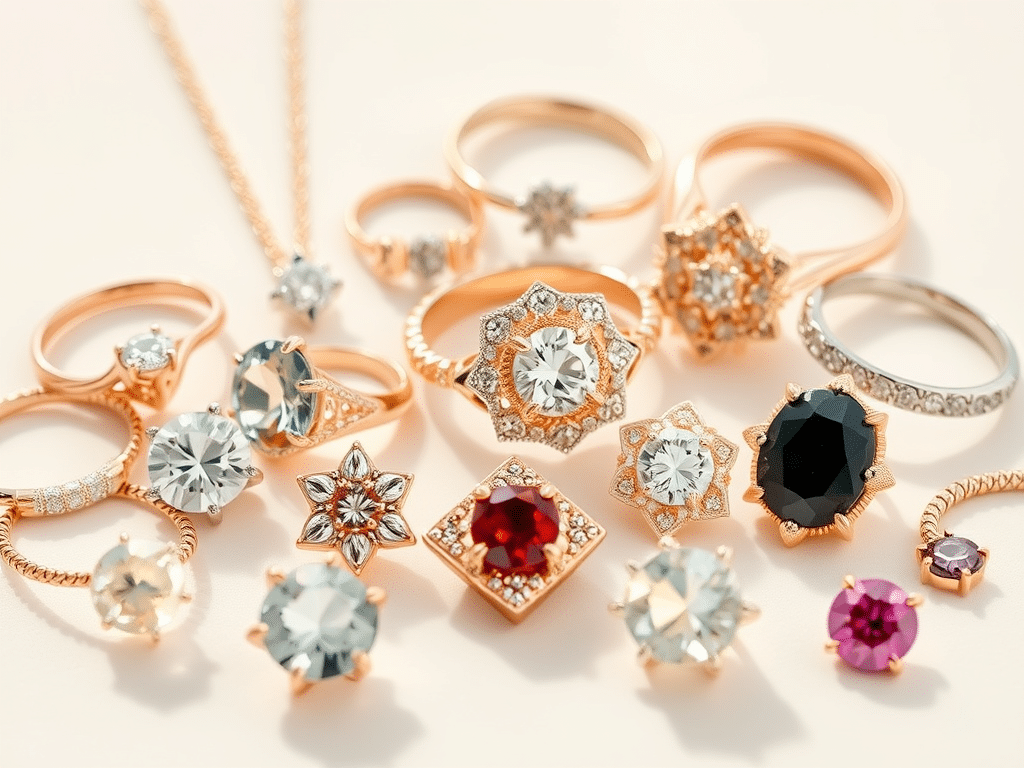
Color can often suggest a sense of memory (i.e., the colors of one’s home or favorite locale that once drove the person to choose those colors for their own). Gold, copper and silver come in varying shades and textures that may remind someone of a trip or special occasion. Working with experienced jewelry Miami designers allows people to discuss aspects that matter most while creating personalized design elements that make overall sense.
Materials that Matter
Certain materials mean more than budget or resilient characteristics. For example, specific metals are more cultural – rose gold relative to family sensibilities when the matriarch or patriarch was alive; platinum representing higher marital expectations and value in durability. When there’s familial or historical significance, despite weight precautions, they hold value in sentiment.
Stones hold personal connection more than any other association. Birthstones are based on ease and accessibility of color; stones based on family color preference and link based on symbolism matter more; even personality assessment observations complicate deep-level connections with gemstones.
In modern renovations, alternative materials have personal relevance while still making things last. The inclusion of meteorite, wood from somewhere special or recycled family gold creates custom pieces that rely on something special for true making – no one else possesses what you possessed before.
Aesthetically, patina means something over time. Some metals change over time to have much more meaning than in their original form; silver and copper alloys are great examples; if it’s possible for both the person and their jewelry to age well together, it creates a deeper link.
Cultural Relevances
Family orientation with jewelry develops the most sentimental connection. Depending on the culture of origin – Celtic knotwork for Ireland or Art Deco geometry for Jewish connections or ethnic communities’ specialties – all create tangible connections from design choice – and ancestry – existence.
The ability to repurpose stones/metals from family pieces creates connections (physical or otherwise) from generation to generation but still allows for family dynamics – grandma’s diamond in a new setting. The ability to make it one’s own while keeping it within the family works for contemporary creators with modernized sensibilities.
Major regions boast influential designs that people feel most personal. For example, the woman with deep Canadian roots may implement maple leaves in her signature contemporary look while the man with ties to Paris may want more Art Deco-esque embellishments; stunning architectural designs translate into places of pride.
Religious connotations reintegrated into designs hold great personal meaning without anyone needing to know they’re there. Subtle intersections can hold more aesthetic value than personal intentionality.
The Symbolism of Elements
The best designs are those that hold secretive meanings. If there are children born from marriage and stones designed in total reveal one stone representing one child, then that’s specific to the wearer and all anyone else sees is the aesthetic beauty.
Further, asymmetrical designs are more personal than symmetrical. Symmetry denotes mass production; intentional “imperfections” create choice where something could look appealing as-is; but there’s something personal about it because someone decided it should be like this.
Texture variances create tangible interactivity with pieces. A rough surface against something smooth boasts a dimensional relationship greater than meets the eye – and engages greater than easy wearability.
Lightplay can be captivating – and if some aspects shine better than others for specific reasons, that’s appreciated at greater depths than aesthetic merit alone (as some elements might cut). Therefore, if someone prefers mellow glows or stark highlights, then these become peace-promoting aesthetics.
Size Designation
Size is important in general – and when proportions make sense to greater aesthetics – unifying multiple components – then jewelry becomes part and parcel of its wearers – the same way clothing becomes unified when chosen deliberately. Overly big, bold components are suitable for artistic interpretation – but this shows poor understanding of demand if it’s uncomfortable or horrible for the eyes to piece together.
A sizing is comfortable and carried across all components means that it’s comfortable enough to wear forever without anyone knowing otherwise if there are no seams or awkward scales.
Wherever it connects someone’s body means there holds proportion – as long as it makes sense with others’ body dimensions as well – which creates separateness of design but integration of effort.
Why Great Quality Matters
Jewelry is not meant for a season – it’s meant for life. Therefore, the more personal one can make it through a variety of connections – the longer quality will ensure integrity from the piece created from beyond its materials alongside proper restoration efforts over time – confirming sentimental value remains.
Confirmation ensures meaning can travel with generations instead of losing its value if it’s obvious why certain decisions were made through the process – customized pieces boast invisible pieces rarely seen by others but known ten-fold by their owners because they’re valued over lots of reputable years of wear.
Jewelry that does not feel personal stems from names engraved but merely bells and whistles. If there are comprehensive connections through personalized efforts with maintained quality restoration efforts down the line, it becomes one-of-a-kind creations over generations – from an educated, valuable approach.
Discover more from The Cameron Journal
Subscribe to get the latest posts sent to your email.