
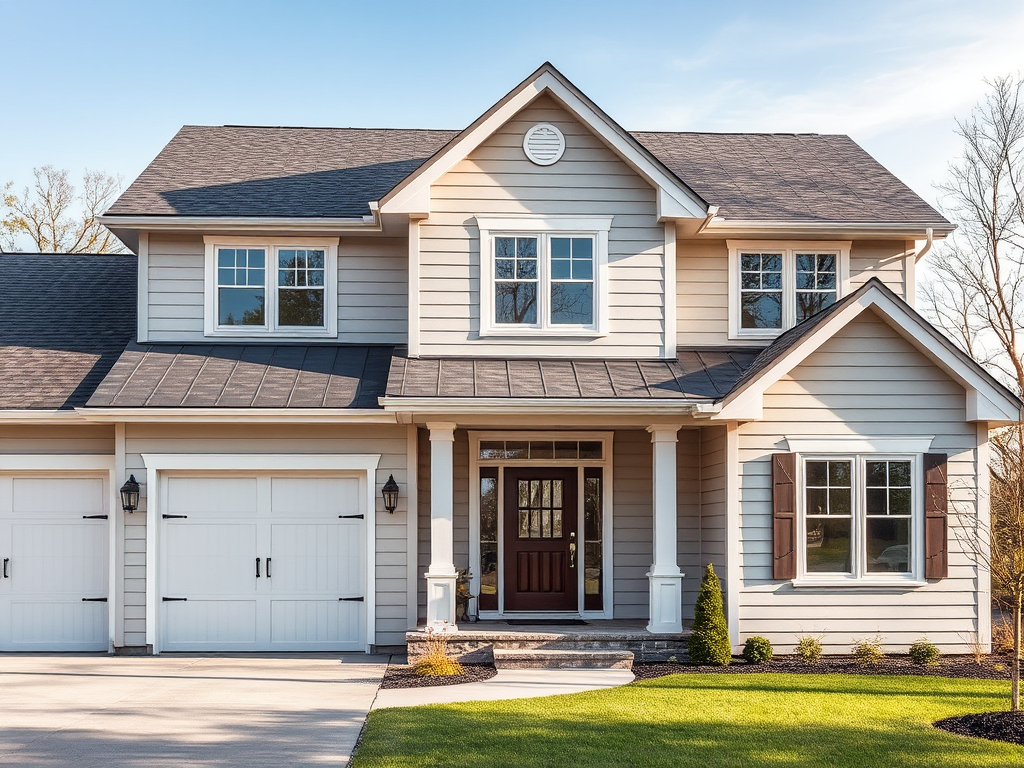
All homes require maintenance. It’s the nature of ownership. However, some improvements really make for lower maintenance when it comes to time and budget allocations, while others merely change the type of work involved. This distinction is important more than homeowners realize when it comes to settling down on renovation investments. The challenge lies in differentiating between the materials and renovations that actually require low maintenance versus those that boast low maintenance and simply shift the burden.
What Does Low Maintenance Even Mean?
When something is marketed as “low maintenance,” one needs to question what that even truly means. Is there zero maintenance required or merely less? Is it a clean slate when it comes to working on something, or does it just shift the focus to another area with similar demands?
Take exterior cladding as an example. Traditional timber weatherboards need regular painting, gap filling, and rot checks. That’s ongoing work every few years. Modern weatherboard cladding alternatives made from vinyl or PVC eliminate most of that cycle. They don’t need painting, they resist rot and pests, and they hold up against weather without the constant attention timber demands. The maintenance gets reduced to occasional washing rather than repeated refinishing. That’s a genuine reduction in workload, not just a shift to different tasks.
Such distinctions apply across the board. Some truly require less maintenance down the road and some merely require different maintenance, which might be less desired, but still, maintenance all the same.
What Materials and Upgrades Actually Live Up to Their Low Maintenance Promises?
Exterior maintenance is the most visible and often the priciest. Paint chips off, timber crumbles, and metal rusts. Staging a home to rectify these issues requires scaffolding and man hours, investment galore and it’s among the most highlighted opportunities when it comes to material selection.
Vinyl or PVC cladding is a highly sought after low maintenance material as it proves reliability down the line compared to timber. It does not take on moisture; therefore, rot doesn’t plague the side of the house. It does not need painting since the color runs through the material itself. The UV stable option means that it will maintain an appearance over decades without fading. Simply washing once a year may take only a few hours with a hose and mild detergent—a far cry from days worth of prep painting required for timber siding.
Metal roofing vs tiles or shingles hold similar longevity of low maintenance as well. Once it gets placed properly atop a home, metal lasts 40+ years without a single issue. No holes from blown off tiles, no moss growth needing maintenance each season, no gradual degradation that begs attention every ten years. Yes, it’s an investment upfront in acquiring metal roofing, but it’s lowered investment later on with maintenance requirements.
Where Low Maintenance Falls Flat
Unfortunately, not every material passes that low maintenance promise when marketed as such. Composite decking, for example, boasts no maintenance compared to timber, but it still needs addressing every year or so through a power washing session to keep mold and mildew at bay. Composites can stain and fade over time, certain composites expand in heat and cools aggressively in colder temperatures for potential warping and cracking. That’s not low maintenance—it’s just different from what timber requires.
The same goes for certain render finishes. While they may not require as much painting as often as weatherboards do, they still crack, cause dirt to accumulate and make blending repairs difficult at best if there’s ever any issues down the line. The schedule may differ for what’s deemed low maintenance but the effort doesn’t disappear.
This is why homeowners need to be realistic about certain offerings—in reality, certain improvements truly are low maintenance while others merely present the illusion so that different kinds of renovations are completed instead at best.
The Home Improvements That Keep Paying Off
There are certain improvements that keep on giving throughout the years by actively reducing whatever work needs to keep a home running smoothly. Quality guttering with good leaf guards means less blockages which means less water intrusion repairs required over time. Proper drainage around a house means minimal soil moisture intrusion problems leading to properly billed foundation solutions.
Proper exterior cladding that prevents weather damage means fewer repairs to framing surfaces beneath. When a surface layer does its job as intended, what’s behind it remains protected. After years or decades, this ripple effect prevents the downfall of poor exterior access.
Automated systems can help reduce this type of upkeep as well—even if they create other considerations. Self-cleaning gutters, for example, do not remove all gutter work but significantly reduce how often it needs to be done. The trade-off is then when these systems need servicing, it requires someone who understands how best to fix these automated systems.
Make Considerations That Reduce Easy Work Down the Road
The best efforts of low maintenance improvement are those that prevent problems from occurring rather than making them easier to approach should there ever be an issue. Quality materials that prevent damage in the first place save much more work than strong materials that hold up better when it’s time for repair and servicing. Prevention trumps repair every time when it comes to minimizing the subsequent workload required week after week and month after month.
This means looking past initial costs to consider what life looks like five, ten, twenty years down the track. A cheaper material that needs attention every few years costs more in time and money than a durable option that mostly takes care of itself. The real savings come from years of not having to organize repairs, not having to budget for maintenance, and not having to worry about deterioration.
Discover more from The Cameron Journal
Subscribe to get the latest posts sent to your email.




