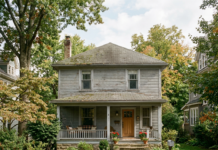

America’s housing market – not unlike many worldwide at the moment – can feel like a treadmill at times. Prices soar, rents rise, and millions of would-be homeowners are stuck, trying to save for a down payment that keeps getting higher. So when politicians propose to offer first-time buyers $25,000 grants alongside tax credits of $15,000, it certainly excites conversation and feels like real progress. But before we hail this as the fix to the housing crisis, we need to ask whether these bursaries are a game changer, or just another Band Aid.
Why throwing money at the problem feels like a half measure
Make no mistake, cost is a central obstacle to the prospect of buying a home. Down payments, closing costs, and interest rates all pile up. For many, even when mortgage payments would be manageable, raising the initial capital is close to impossible especially when renting. This is where grant programs promise to help, giving people a leg-up on that front.
But there is a tension to this: While grants and subsidies do ease immediate monetary hurdles, they do little to address the root causes of housing unaffordability. Supply shortages, zoning laws, property taxes, labor shortages and in many cases NIMBYism can make housing itself expensive. Giving a grant helps some people get in the door, but unless more homes are built, or regulatory barriers lowered, home prices will continue to rise. In many markets, a grant even as high as $25,000 may not even cover the down payment on an affordable home.
Grants also risk an inflation of demand without the necessary increase in supply, which any economist can tell you doesn’t help with prices. It may also mean that people who were already close to owning benefit at the expense of those who are most in need. Without accompanying structural reform, financial incentives can feel like policy theater rather than a lasting solution.
The mechanics of the first-time buyer grant
- A tax credit of up to $15,000 which is refundable, for people who haven’t owned a home in the last three years. Income and price limits are locked to local median levels.
- A grant of $25,000, non-repayable, designed to cover otherwise insurmountable down payments. In some versions, this would be reserved for first-generation buyers whose parents haven’t owned a home. It’s subject to income caps, and allowances are higher in regions where house prices are higher.
- As usual, there are caveats: along with varying eligibility conditions, there may be requirements to live in the home for a number of years, or pay back in part if the home is sold before a certain point. And these measures, in any case, have not yet passed, and may fail – so this remains a proposal, not a concrete solution.
Once the legislation becomes active – if it does – then the $25,000 first time home buyer grant application will certainly offer some people the chance to get on the ladder. But it doesn’t promise to solve the housing crisis on its own.
How home ownership could become truly accessible

None of this is to knock the endeavor of providing people with help to buy. If passed, this legislation would certainly allow some people to access the market who had been frozen out before. However, there are other obstacles that still need to be addressed. It would be nice to see:
- An increase in housing supply: Focusing on zoning reform, allowing more density, smaller lot sizes and accessory dwelling units. Streamlining of permitting, and public investment in infrastructure to enable development outside congested areas.
- Addressing inflation in construction and land costs: Subsidies and incentives for building materials, a better and faster supply chain, and fewer bureaucratic overheads. Alongside this, possibly land trusts to preserve affordability.
- Reform of property taxes and local regulations: A reassessment of HOA fees, insurance costs, and code enforcement costs.
- Innovative financing models and ownership structures: Shared equity, community land trusts, and housing co-ops as well as rent-to-own models and gradual equity build-up.
- Most importantly, targeted support for the most disadvantaged: First generation buyers, minority communities, and people in rural or high-cost regions. This should be underpinned by financial counseling, credit score repair, and assistance with closing costs, not just the initial down payment.
The idea of a substantial grant alongside a tax credit has promise, and in some people’s cases will allow the gap between hope and home to be closed. But it does risk being a symbolic change on a wider scale: helping the few without fixing things for the many. Are these aids good for prospective homebuyers? Yes – but they can’t be the only step taken.
Discover more from The Cameron Journal
Subscribe to get the latest posts sent to your email.