Key Takeaways
- Managing indoor heat requires a mix of smart daily habits and proper home maintenance.
- Simple steps like controlling sunlight, improving insulation, and using fans/AC efficiently can reduce heat buildup.
- Natural ventilation and energy-conscious routines help maintain a cooler indoor environment.
- Long-term upgrades, such as HVAC maintenance, leak sealing, and smart thermostats, improve comfort and lower energy costs.
With warmer weather on the way, keeping your home comfortable and energy-efficient becomes essential. Rather than relying solely on air conditioning, a comprehensive strategy can help maintain a pleasant indoor climate and reduce utility bills. For residents in Texas, partnering with professionals for air conditioning installation in Athens TX can also add peace of mind that your cooling system will be at its best throughout the hottest months.
By employing smart window management, using fans and AC effectively, enhancing insulation, and adopting heat-reducing habits, you can achieve a cool, comfortable, and energy-efficient home in summer. Small adjustments can lead to significant improvements in comfort and savings. Regular professional maintenance of cooling systems is also essential to ensure optimal performance. Key strategies include minimizing heat gain through strategic window management, optimizing fan and AC usage, implementing insulation techniques, and adopting daily practices that reduce indoor heat.
Manage Windows to Control Heat Entry
Windows are often the main entry point for summer heat into your home. To combat this, first keep blinds and curtains closed during peak sunlight hours. This simple step can block much of the sun’s direct radiation. Installing reflective window films adds an extra layer of protection by bouncing a substantial portion of heat back into the outdoors. Thermal curtains can also be highly effective, providing a dense barrier that further insulates your room.
Optimize Fan and Air Conditioner Usage
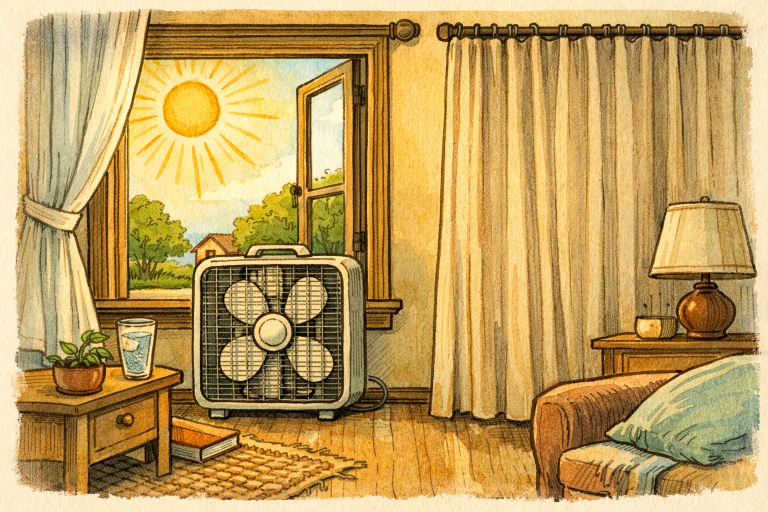
How you use your fans and air conditioning matters. During summer, set ceiling fans to rotate counterclockwise at higher speeds. This motion creates a draft that cools rooms. Placing portable fans near windows during cool morning and evening hours can help draw in fresh air and expel hot air that accumulates during the day. For those using air conditioning, regular filter maintenance is key. Clean or replace filters to keep the unit performing optimally and energy bills in check.
Enhance Insulation and Seal Leaks
Insulation is vital in maintaining a consistent indoor temperature and minimizing the exchange of hot and cool air. Apply weather stripping around doors and windows to eliminate drafts. Insulating attics and walls further resists heat transfer between the indoors and outdoors. Periodic inspections for gaps or leaks, especially in attics and basements, let you seal openings and bolster your home’s natural defenses against summer heat.
Adopt Heat-Reducing Daily Habits
The appliances and lights you use can quietly add unwanted warmth to your home. Try to limit the use of ovens, clothes dryers, and dishwashers during the hottest hours, opting for early morning or evening if possible. Replacing traditional bulbs with energy-efficient LEDs reduces both heat output and electricity bills. Whenever practical, take meal preparation outside and enjoy a summer barbecue, keeping indoor cooking heat at bay.
Utilize Natural Ventilation
Take advantage of cooler air by opening windows in the evening and morning. Creating cross-ventilation, opening windows on opposite sides of your house, promotes a natural flow that flushes out heat and brings in fresh air. Use window fans to boost this effect, especially when temperatures drop at night. Position fans to expel trapped hot air while drawing in the cooler outside air for a refreshing change.
Implement Smart Thermostat Settings
A smart thermostat is an excellent investment for maintaining comfort and efficiency. Program your thermostat to keep the temperature a few degrees higher when you are away from home. This small adjustment helps save energy and lowers cooling costs. Align scheduled temperature changes to your routine, so your home cools just before you return, maximizing comfort without sacrificing savings.
Maintain Cooling Equipment Regularly
Systems that run smoothly require regular maintenance. Arrange for professional HVAC inspections each year to identify and resolve issues before they affect performance. In your own upkeep, keep vents and ducts free of debris and dust to maintain strong airflow and prevent unnecessary strain on your equipment.
Consider Energy-Efficient Upgrades
For those wanting long-term solutions, upgrading to energy-efficient appliances and fixtures can make a substantial difference. Energy-efficient windows minimize heat transfer and often qualify for rebates or incentives. Installing a programmable or smart thermostat gives you greater control over your cooling schedule and adapts to your needs, improving comfort and cost-efficiency in the long run.
By incorporating these strategies, your home can stay comfortable, cool, and cost-effective throughout the summer. Balanced efforts both inside and outside, from managing heat entry to maintaining mechanical systems, deliver the best results when aiming for a healthier and more enjoyable indoor climate.
Conclusion
Effectively managing indoor heat in summer involves smart habits, home maintenance, and energy-efficient upgrades. Key actions include controlling window exposure, improving insulation, and optimizing HVAC use to reduce heat buildup. Long-term solutions, such as sealing air leaks and investing in smart thermostats, can enhance comfort and lower energy costs. Consistent application of these strategies ensures a comfortable and efficient indoor environment during peak heat months.
Discover more from The Cameron Journal
Subscribe to get the latest posts sent to your email.