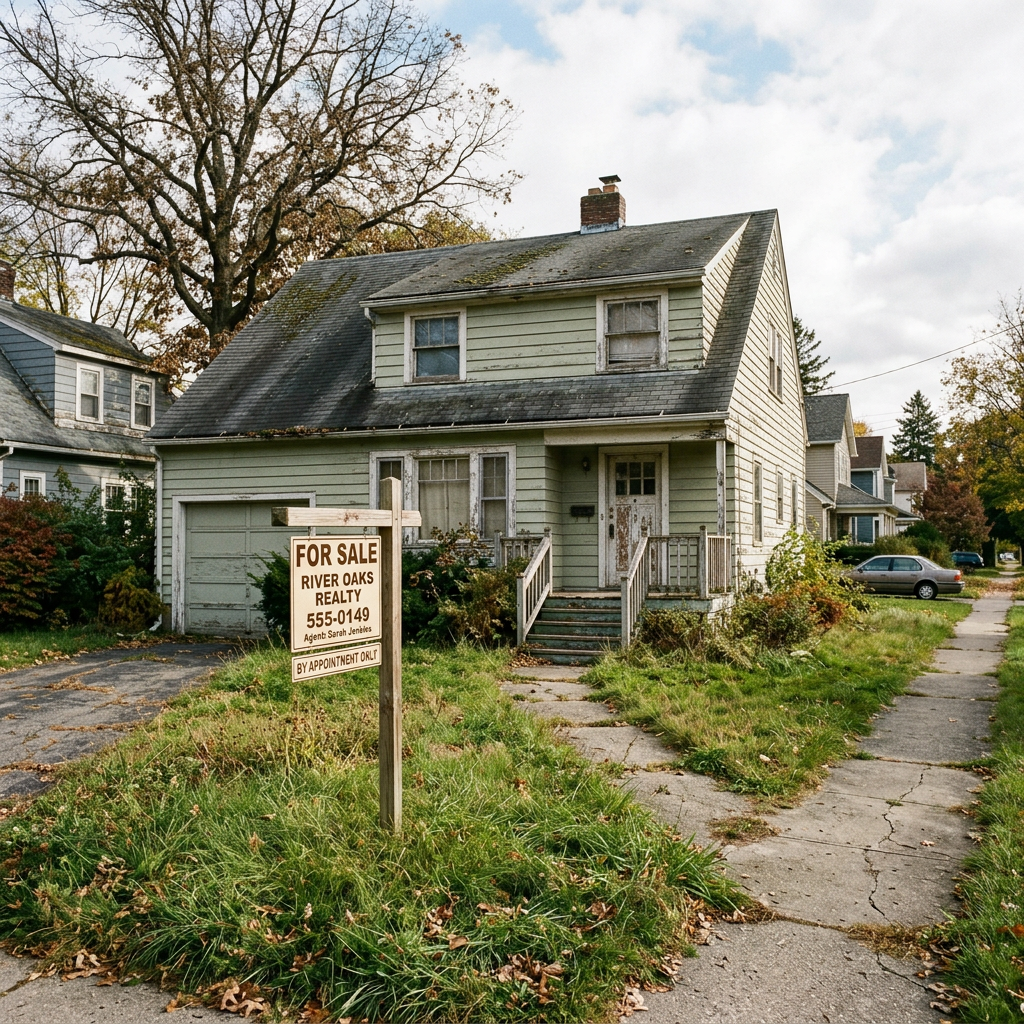
Key Takeaways
- Selling as-is means offering your property in its current state, without repairs.
- This option can accelerate closing, but often comes with a reduced sale price.
- Sellers must still legally disclose known defects when selling as-is.
- Cash buyers are common in the as-is market, but base offers on current condition.
When the thought of repairing and prepping a home for sale feels overwhelming, many homeowners turn to selling their property “as-is” for cash. This method provides a streamlined path for those seeking a fast solution or wanting to avoid the hassles of renovation. Working with cash buyers in Raleigh, NC can offer a practical and efficient way to move forward without the drawn-out process associated with traditional sales.
However, before jumping into an as-is cash sale, it is critical to fully understand its benefits, potential drawbacks, and the precise legal requirements involved. Failing to navigate these areas carefully could impact your financial outcome and expose you to avoidable risks. This guide unpacks all the essential considerations so you are empowered at every step.
If you want to get started or learn more from professionals experienced in fast-as-is deals, check out www.mikeotranto.com for tailored guidance for Raleigh, NC, homeowners.
Understanding As-Is Sales
Selling a home “as-is” simply means listing the property in its present state, with no intention of completing repairs or improvements beforehand. For homeowners on a tight schedule or those lacking the resources for upgrades, an as-is sale offers an appealing solution. The process reduces stress and eliminates the delays that come with staging and showings. It is important to remember, however, that an as-is approach does not allow sellers to conceal existing issues. Full disclosure of any known problems is both an ethical responsibility and a legal requirement in most states.
Transparency throughout the transaction, such as providing documentation about the home’s systems, past repairs, or problematic areas, can help prevent future disputes and safeguard the seller from legal claims down the road. Buyers expect honesty, so upfront communication builds trust and helps the process move forward smoothly.
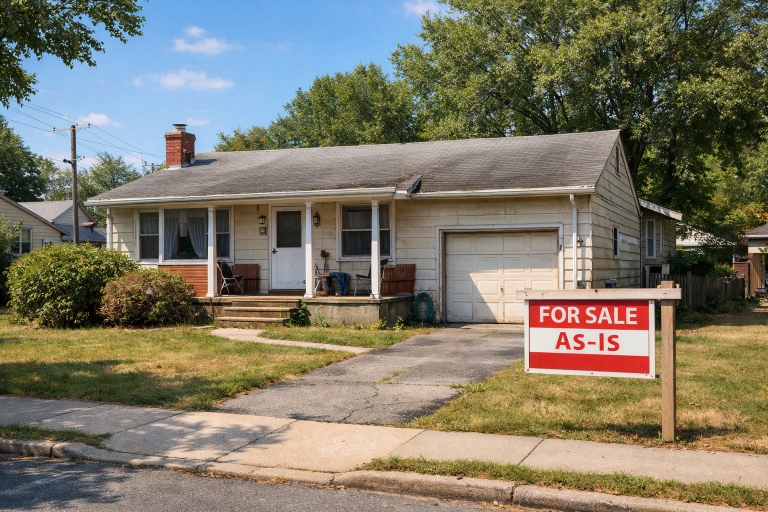
Pros and Cons of Selling As-Is
Pros
- Speedy Transactions: Most as-is buyers pay cash, helping sales close quickly, sometimes in a matter of days rather than weeks or months. This can be a relief for those relocating, facing foreclosure, or handling an inherited property.
- Cost Savings: Sellers are not responsible for repairs, staging, or major clean-up costs. Avoiding these expenses can make a notable difference, especially for properties that require extensive work.
Cons
- Lower Sale Price: Homes sold as-is generally sell for less than those presented in good condition, as buyers factor in the cost of necessary repairs and improvements.
- Limited Buyer Pool: The potential audience is smaller, typically appealing to investors and those seeking fixer-uppers, rather than traditional home buyers.
Legal Obligations and Disclosures
Even when selling a property as-is, the law requires you to disclose all known, material defects that could affect value or safety. Some states, such as California, require strict disclosure forms, such as the Transfer Disclosure Statement. Failing to provide accurate information can lead to lawsuits and the rescission of sales. You can find more information about disclosure laws on well-known sites like NerdWallet, which outline obligations and provide specific state guidelines. Always consult your real estate agent or attorney to avoid oversights in your disclosures.
Attracting Cash Buyers
Many individuals looking to buy homes as-is are cash buyers, either real estate investors or rehabbers who plan to renovate and resell. To attract the right buyers and secure a competitive offer, focus on these strategies:
- Competitive Pricing: Price the home in accordance with its present condition and recent comparable sales. An aggressive yet fair price attracts more attention and prompts faster offers.
- Full Disclosure: Share comprehensive details about all defects, major repairs needed, and special features. This builds credibility and reduces haggling or deal fallout during negotiations.
- Highlight Potential: Emphasize the positive aspects that could be improved, such as a desirable location, a large lot, or a flexible floor plan. Help buyers envision future value rather than focusing solely on flaws.
Preparing for an As-Is Sale
Although full-scale renovations are unnecessary, small improvements can still make a difference. Consider these simple enhancements:
- Declutter: Tidy, organized spaces appear bigger and more inviting, even if cosmetic repairs are needed.
- Minor Repairs: Address basic issues, replace burned-out light bulbs, fix leaking faucets, or touch up chipped paint, to improve buyers’ first impressions and show pride of ownership.
- Professional Cleaning: A thorough, professional cleaning can elevate the property’s presentation, making it feel fresh and cared for and helping justify your asking price.
Conclusion
Selling your home as-is for cash is a practical solution when time, convenience, or condition are top priorities. While you may trade a slightly lower sale price for the benefit of speed and fewer headaches, you retain control over the process. Ensure you meet all legal disclosure requirements and position your home positively to attract the strongest offers. With proper preparation and full transparency, as-is sales can deliver a smooth, efficient result that meets your unique circumstances.
Discover more from The Cameron Journal
Subscribe to get the latest posts sent to your email.