Key Takeaways
- Selling a fire-damaged house as-is can expedite the sales process and reduce financial strain for homeowners across North Carolina.
- Knowing the extent of damage and the current real estate market in your part of North Carolina is essential for pricing your house fairly.
- Legal and regulatory transparency is required when disclosing fire damage in NC property sales.
Table of Contents
- Introduction
- Understanding the Extent of Fire Damage
- Financial Implications of Repairs
- Advantages of Selling As-Is
- Legal Disclosures and Transparency
- Finding the Right Buyer
- Setting a Competitive Price
- Navigating the Sales Process
- Conclusion
Facing the aftermath of a house fire in North Carolina can be emotionally taxing and financially overwhelming. Choices about repairing or selling the property need to be made quickly, especially when displacement from home hits families hard. One viable avenue for relief is to sell a fire-damaged house as-is without investing more time, money, and energy into a residence that may never feel the same. This method offers distinct advantages for North Carolinians coping with such distressing situations, including those in urban areas such as Greensboro and rural communities throughout the Piedmont Triad.
In North Carolina, where seasonal storms can exacerbate fire hazards and local building standards demand swift action, knowing your options helps you protect your family’s financial foundation while honoring state disclosure laws. Whether the property is in Winston-Salem, High Point, or a smaller NC community, selling as-is can offer speed and peace of mind in a difficult season.
This article explores everything homeowners should know about selling a fire-damaged house in North Carolina without repairs, from assessing the damage and understanding legal requirements to finding the right buyer and negotiating a sale with confidence.
The goal is to empower North Carolina residents with insights and steps tailored to local market conditions and real estate regulations, making an often-overwhelming process manageable and transparent.
Understanding the Extent of Fire Damage
Before deciding to sell as-is, it is essential to accurately determine how much fire damage your North Carolina home has suffered. Fire destruction falls into three general categories:
- Tier 1 – Smoke and Cosmetic Damage: Surface impairments, such as smoke stains or odors, which often reduce the home’s value by 3 to 10 percent.
- Tier 2 – Structural Damage: Serious compromise of framing, floors, or roofing, which can slash market value by 25 to 50 percent and may make the house non-livable pending repairs.
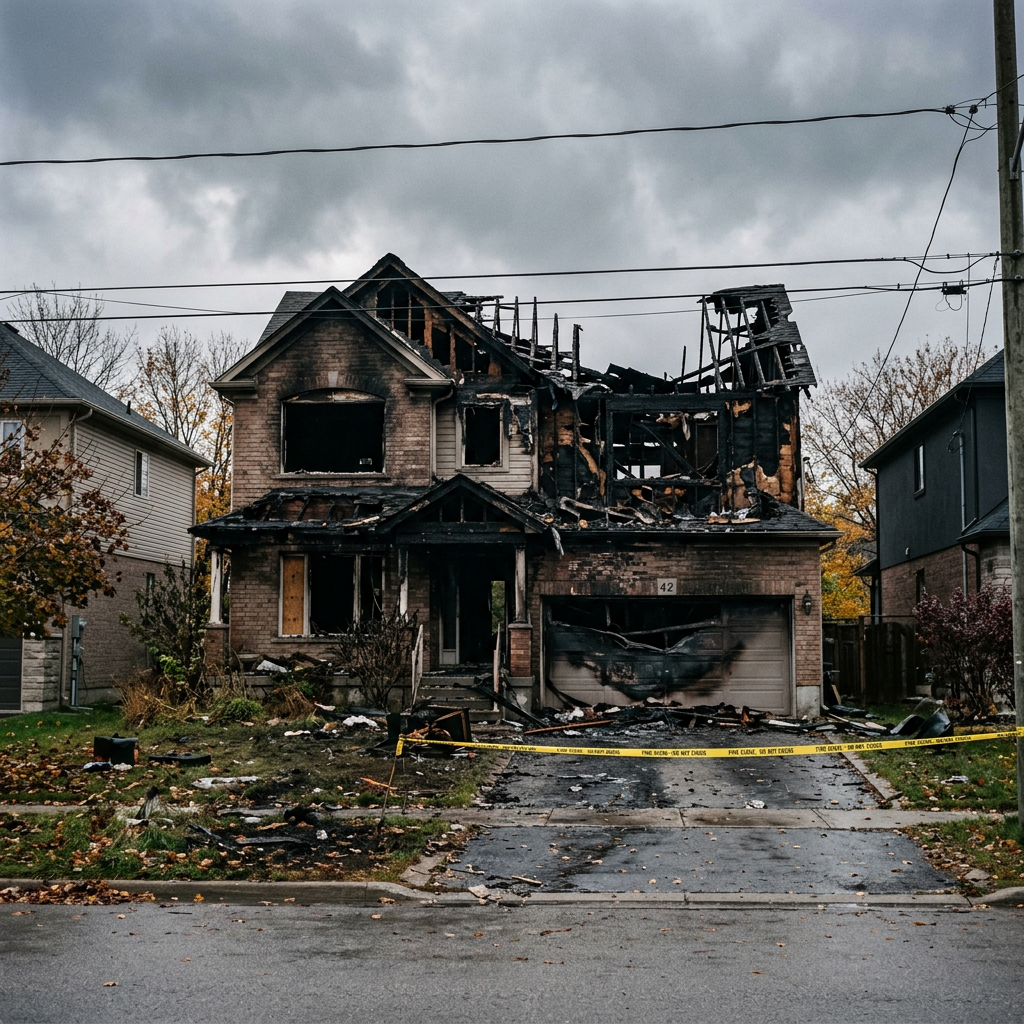
- Tier 3 – Total Loss: Severe destruction that renders the structure unsafe and often leaves only the land viable for sale.
North Carolina’s humid summers and year-round storms can worsen ash, soot, or water issues, accelerating deterioration if left unaddressed. Whether in coastal regions or the Piedmont, understanding these distinct tiers helps homeowners make clear-headed choices amid stressful circumstances.
Financial Implications of Repairs
The cost of repairing a fire-damaged home in North Carolina is substantial. Restoration work—including smoke cleanup, structural fixes, and bringing properties to code—can amount to 25 to 55 percent of your home’s value before the fire. In markets like Greensboro, where contractor demand is high, delays may extend repair timelines to 10 to 18 months or beyond. Local homeowners have reported unexpected expenses and emotional strain due to lengthy waits for insurance settlements and construction crews. For many, the total cost and disruption outweigh the possibility of restoring the home to its former condition.
For further insight on post-disaster home sales, see this guidance from Opendoor.
Advantages of Selling As-Is
Putting a fire-damaged home on the market as-is offers several powerful benefits to North Carolina sellers:
- Speedy Transactions: Investors and cash buyers familiar with distressed North Carolina properties often close on a sale within two weeks, allowing families to move on quickly.
- Reduced Expenses: Avoid out-of-pocket payments for repairs, as well as mortgage, insurance, taxes, and utilities accrued during the long restoration period.
- Emotional Relief: Sidestep the ongoing distress of living amidst repairs, negotiating with contractors, and reliving trauma during construction.
For many NC residents, these advantages make an as-is sale the most sensible way forward after a fire.
Legal Disclosures and Transparency
North Carolina requires full transparency about a property’s condition through mandatory disclosure forms. Homeowners must provide all known details about the fire damage, the remediation undertaken, and the continuing risks to the buyer. Failure to disclose may result in future lawsuits or financial penalties. Open, honest communication builds buyer trust and speeds up negotiations, protecting both parties legally throughout the sale.
Finding the Right Buyer
While traditional buyers, especially those using FHA or VA loans, may not be interested due to lender repair requirements, North Carolina investors and cash buyers actively seek out fire-damaged property. These buyers have the capital and expertise to take on repairs, and they are familiar with the state’s unique real estate landscape, making them ideal prospects for a smooth transaction without contingency hang-ups. Listing with “as-is” investors or home-buying services that understand the North Carolina market can accelerate the sales cycle and minimize red tape.
Cash buyers also move quickly because a fire often carries unresolved insurance questions and disputes over a denied or underpaid claim can slow a sale or shrink your net proceeds. Before you accept an as-is offer, it’s worth having Parke Gordon Law review your policy and payout, since the difference between a lowball settlement and a fair one can shift how much room you have to negotiate on price. Documenting the claim outcome and any remediation receipts also gives investors the paper trail they expect and keeps your disclosures airtight.
Setting a Competitive Price
Pricing a fire-damaged house in North Carolina requires weighing the pre-fire market value, the scale of the damage, and how quickly you want to sell. In growing markets like the Triad, demand for investment properties can help offset value losses, while in rural and coastal regions, buyers might negotiate more aggressively. Consult with local real estate agents or appraisers well-versed in distressed properties. They can help you set a fair price based on comparables, contractor quotes, and investor expectations, ensuring your listing garners serious attention without sitting dormant.
Navigating the Sales Process
- Property Assessment: Obtain an independent evaluation, including relevant fire reports and contractor estimates.
- Disclosure Preparation: Complete North Carolina’s disclosure forms, including any records of smoke remediation or insurance claims.
- Buyer Outreach: Connect with North Carolina-based investors, cash buyers, or home-buying companies with experience in as-is sales.
- Negotiation: Expect transparent, straightforward negotiations, as most investors are familiar with local fire repair costs and will factor these into their offers.
- Closing: Finalize through a title company or real estate attorney, ensuring all legal documents and disclosures are complete before transferring ownership.
With clear steps and guidance tailored to North Carolina’s real estate protocols and buyer profiles, the process becomes far less intimidating for sellers facing a challenging transition.
Conclusion
Selling a fire-damaged house as-is in North Carolina can be a practical, relief-oriented solution for families under stress. By understanding your property’s damage, complying with the state’s strict disclosure rules, and marketing skillfully to investors or cash buyers, you can avoid the ongoing burden of repairs and quickly regain financial stability. Empower yourself with local knowledge, honest communication, and targeted outreach to make the best decision for your future.
Discover more from The Cameron Journal
Subscribe to get the latest posts sent to your email.