
When it comes to self-storage options, there are a range of different types of storage to choose from, each with their own benefits and drawbacks. Whether you’re downsizing, moving or just need some extra space, understanding the different types of storage can be useful so that you can select the right selection for your needs. This post takes a closer look at 5 of the main types of self-storage and their individual pros and cons.
Internal lockable storage
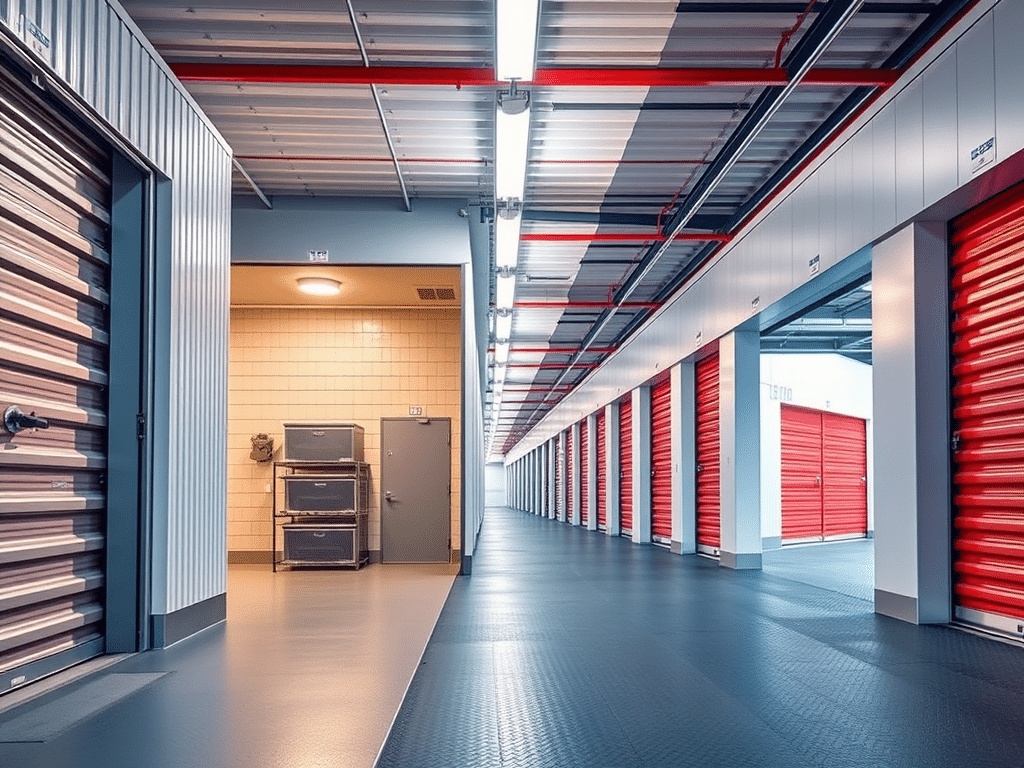
One of the most popular forms of self-storage is internal lockable storage. Standard Self Storage Units in Redwood City, CA for example, consist of a unit inside a building that you rent out. This unit is typically climate-controlled and protected against pests. Internal lockable storage facilities are often designed to be incredibly secure – only those who rent a unit can be granted access, and there are often security cameras to monitor people going in and out. A downside of these facilities is that they are often only open during certain hours and you may have to carry heavy items a long way from your vehicle in the parking lot to your unit (although some facilities do have trolleys you can use).
Pros:
- High level of security
- Climate-controlled
- Pest-proof
Cons:
- Limited accessibility
- Distance from parking to unit
- Higher fees
Outdoor drive-up storage
Drive-up storage units allow you to park your vehicle outside for easy loading and unloading. Whereas internal lockable storage units have doors facing into an internal corridor, drive-up storage units have doors facing outwards. Some are part of a large storage facility building, while others consist of isolated lock-up containers. Although typically cheaper to rent than internal lockable units, outdoor drive-up units are often not climate controlled or as secure – plus they may be more vulnerable to flooding or pests. Investing in a higher quality drive-up unit may guarantee better security and protections against the weather/pests.
Pros:
- Drive-up access
- Less restrictive access hours
- Lower fees
Cons:
- Less security
- Typically not climate-controlled
- Potentially vulnerable to pests and elements
Portable storage
Portable storage containers – also known as pods storage – consists of a container that can be dropped off at a location of your choice. When moving home, portable storage containers can be used to store the contents of your home and can be dropped off at your new home for you to unload in your own time. This may help to reduce moving costs in some cases. Portable storage units can also be rented out for storing supplies on construction sites, moving equipment between events and even transporting vehicles. When you no longer need the unit, it can be returned to the self-storage company (usually the company will pick it up for you). You can also buy portable storage units to use more flexibly for your own needs – potentially even converting them into a mobile office or portable canteen.
Pros:
- Convenient access
- Helpful when moving
- Versatile use
Cons:
- Higher fees
- Susceptibility to elements
- Size limitations and space for container required
Home collection storage
When you choose a home collection storage service, a company picks up your items for you and takes them to a storage unit on your behalf. When you need to take out items, the company then delivers the items to you. As a result, you never have to visit the unit yourself. This can be convenient if you don’t have a vehicle, don’t live near a storage facility or aren’t able to carry heavy items yourself. However, it does mean that you cannot access items freely and must schedule pick-up and delivery dates for your items. This service may also come at an extra cost, because you’re also paying a transport service to pick up and deliver your items for you.
Pros:
- No need to transport items yourself
- Handling managed for you
- Typically stored in internal lockable storage unit (so all the same perks)
Cons:
- High fees
- Limited access due to scheduled pick-ups/drop-offs
- Less control over how items are stored in unit
Refrigerated storage
Certain items like food products or pharmaceuticals may need to be kept chilled. It’s possible to rent out storage units that are refrigerated – including freezer units for items that need to be kept frozen. The units have limited availability and are more expensive to run, but could be very useful if you run a food business or medical business and need extra space or temporary space to store supplies. Most of these are internal lockable units, however you can find some drive-up refrigerated units and even portable refrigerated units to rent.
Pros:
- Ideal for items that need to be chilled
- Typically very secure
- Typically pest-proof
Cons:
- High costs due to energy use
- Limited availability
- Limited size options
Discover more from The Cameron Journal
Subscribe to get the latest posts sent to your email.