
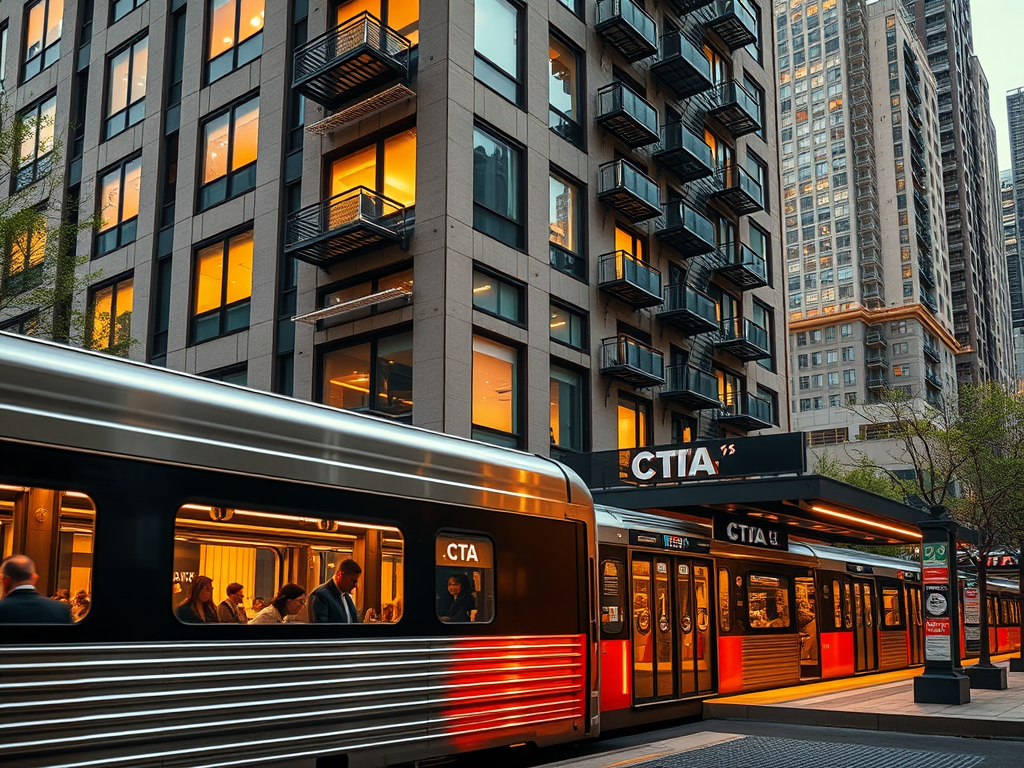
The Strategic Value of Living Near Transit Hubs
The Chicago Transit Authority (CTA) ‘L’ train system is more than just a mode of transportation; it’s the lifeline of the city, connecting diverse neighborhoods and offering unparalleled convenience. For residents, living near a CTA ‘L’ station presents a strategic advantage that significantly enhances urban living. The benefits extend far beyond simply getting from point A to point B; they encompass lifestyle, time management, and financial implications.
One of the most compelling reasons to choose an apartment close to CTA is the sheer efficiency of the commute. Imagine bypassing traffic jams and the constant search for parking, instead relying on a predictable schedule that gets you to your destination on time. The CTA’s extensive network, including key lines like the Blue Line and Red Line, provides reliable service across the city. The Blue Line, for instance, operates 24 hours a day, offering continuous service from O’Hare International Airport, through the bustling Downtown Loop, and extending into suburbs like Oak Park. This round-the-clock availability is a significant draw for those with varying work schedules or a penchant for late-night city exploration. Similarly, the Red Line serves as a vital artery, connecting the North Side to the South Side, passing through major business districts and residential areas.

Beyond the ‘L’ system, Chicago’s broader public transportation infrastructure, including Metra commuter rail, further expands accessibility. For example, the Metra Union Pacific / West Line allows commuters from Oak Park to reach downtown Chicago in a mere 16 to 20 minutes, offering a rapid transit option for those living slightly outside the immediate city core. This kind of connectivity means that even if your workplace is in the heart of the Loop, you can enjoy the suburban charm of areas like Oak Park without sacrificing precious commute time. The ease of access to such a comprehensive transit system underscores why many apartment seekers prioritize proximity to CTA stations, transforming what could be a daily struggle into a streamlined part of their routine.
The impact on daily life is profound. Living near a CTA station means more time for personal pursuits, less stress from driving, and often, a reduced need for car ownership, which translates to significant savings on gas, insurance, and maintenance. This focus on transit-oriented living has shaped urban development, leading to vibrant communities built around these transportation hubs.
Essential Features of Modern Apartments in Urban Centers
As the demand for apartments close to CTA stations grows, so does the sophistication of the buildings themselves. Modern urban apartments are designed not just as living spaces but as comprehensive lifestyle hubs, offering an array of amenities that cater to the needs and desires of today’s city dwellers. These features are often strategically integrated to enhance convenience, foster community, and provide a sense of luxury, all within steps of public transit.
Commonly found amenities in contemporary apartment buildings near CTA stations include state-of-the-art fitness centers, eliminating the need for external gym memberships and making it easier to maintain a healthy lifestyle. Rooftop pools and decks provide residents with stunning city views, a place to relax, socialize, and escape the urban hustle during warmer months. Resident lounges and clubhouses serve as extensions of personal living spaces, offering comfortable areas for entertaining guests, working remotely, or simply unwinding.

The rise of remote work and the gig economy has also led to a surge in demand for co-working spaces within residential buildings. These dedicated areas provide a professional environment for residents to work from home, complete with high-speed internet and comfortable workstations. For pet owners, modern apartments often go the extra mile with amenities like dedicated dog runs and convenient dog wash stations, making urban pet ownership much more manageable. These thoughtful additions underscore the commitment of modern developments to creating a holistic living experience.
Smart Technology Integration in Modern Apartments
Beyond the physical amenities, smart technology has become a cornerstone of modern apartment living, particularly in transit-oriented developments. These technological advancements are designed to streamline daily tasks, enhance security, and provide residents with greater control over their living environment.
Keyless entry systems, often accessible via smartphone apps or fobs, eliminate the need for traditional keys, offering both convenience and enhanced security. Smart thermostats allow residents to control their apartment’s climate remotely, optimizing energy consumption and ensuring comfort upon arrival. Integrated appliances, from smart refrigerators to high-efficiency washer/dry dryers, add a layer of sophistication and functionality to the living space. Furthermore, buildings are increasingly equipped with robust high-speed internet infrastructure, recognizing its essential role in both work and leisure activities. Some advanced buildings even incorporate systems like VTS Rise access technology, which provides a seamless and integrated platform for building access, amenity booking, and communication with property management. These smart features contribute significantly to the overall comfort and efficiency of urban apartment living.
Interior Design Trends for Modern Apartments
The aesthetic and functional design of modern apartments near CTA stations also plays a crucial role in maximizing comfort. Developers are increasingly focusing on designs that blend contemporary style with practical urban living, creating spaces that feel both luxurious and livable.
One prominent trend is the incorporation of floor-to-ceiling windows, which not only flood apartments with natural light but also offer expansive views of the city skyline, connecting residents to the vibrant urban landscape outside. Kitchens are designed with sleek, minimalist aesthetics, often featuring high-end finishes, integrated appliances, and clean lines. Matte black fixtures are a popular choice, adding a touch of modern elegance to bathrooms and kitchens. Open floor plans are also highly favored, creating a sense of spaciousness and flexibility, allowing residents to customize their living areas to suit their individual needs and preferences. These design choices reflect a desire for sophisticated, uncluttered spaces that are both visually appealing and highly functional. For those seeking such refined living experiences, exploring options like Uptown modern apartments near CTA can reveal a wide array of choices that epitomize these design principles.
Navigating Chicago’s Primary Transit Corridors
Chicago’s CTA system is a complex web of lines, each serving distinct neighborhoods and offering unique advantages for apartment dwellers. Understanding these primary transit corridors is essential for anyone looking to find an apartment that perfectly aligns with their lifestyle and commute needs.
While the Red and Blue Lines are celebrated for their 24-hour service and extensive reach, other lines like the Green, Brown, Pink, and Orange Lines are equally vital, connecting residents to various parts of the city and beyond. The Green Line, for example, is notable as the only completely elevated route on the ‘L’ system, offering scenic views as it traverses from Forest Park through Oak Park to the South Side. This line is a popular choice for those working in the Loop but preferring to live in neighborhoods like Oak Park or the West Side. Similarly, the Brown Line is highly sought after for its access to desirable North Side neighborhoods such as Lincoln Park, Lakeview, and Ravenswood, providing a comfortable commute to downtown.
The Pink Line connects the Loop to the West Side, serving areas like Pilsen and Little Village, while the Orange Line provides direct access to Midway International Airport, a significant convenience for frequent travelers. When considering public transit friendly apartments, it’s beneficial to look at the broader network. For a more comprehensive understanding of how different transit options can serve your needs, you might find it helpful to explore resources on apartments near bus stops as well, as buses often complement train lines for last-mile connectivity.
Popular neighborhoods for apartment searches often cluster around these key lines. The South Loop, for instance, is a vibrant area with numerous rentals, many of which are easily accessible via multiple CTA lines. Data indicates that within the South Loop area alone, there are dozens of rentals listed near CTA stations. Uptown is another neighborhood known for its excellent public transportation access, with options like The Draper apartments providing residents with convenient connections to the city. Logan Square, particularly around stations like California Station on the Blue Line, is also a hotspot, with hundreds of apartments available, reflecting its growing popularity and transit accessibility.
Online resources play a crucial role in this search. Websites like ChicagoPropertyShop.com, Apartments.com, and Trulia.com allow renters to filter searches specifically for apartments near CTA stations, or even by individual lines and stations. For example, Apartments.com lists hundreds of apartments near specific stations like California Station (Blue Line) or Damen Station (Blue Line), while Trulia.com offers hundreds of rentals near CTA across Chicago, including specific filters for lines like the Red Line near Belmont or the Green Line near Cermak-McCormick Place. These platforms provide invaluable tools for renters to pinpoint desirable locations and compare available listings. For those prioritizing a swift journey to the city’s core, exploring apartments close to downtown can further narrow down options that combine proximity to the Loop with excellent CTA access.
While a detailed table comparing commute times for every station is beyond the scope of this guide, it’s generally understood that stations closer to the Loop on any line will offer shorter commute times to downtown destinations. However, even stations further out, particularly on express routes or lines with fewer stops, can provide highly efficient commutes. Renters can utilize the commute-time filters on platforms like Apartments.com to set a desired destination and transportation method, allowing them to visualize travel times during rush hour. This personalized approach helps balance the desire for a shorter commute with other lifestyle preferences.
Balancing Convenience and Lifestyle Factors
While the allure of living near a CTA station is undeniable, a truly comfortable urban living experience requires a balanced consideration of various lifestyle factors beyond mere transit proximity. Making an informed decision involves weighing the convenience of public transportation against other critical aspects of a neighborhood and apartment.
One of the primary trade-offs to consider is noise. Apartments located directly adjacent to or above ‘L’ tracks can experience significant noise levels, especially on lines with 24-hour service like the Red and Blue Lines. While some residents adapt quickly, others may find it disruptive. It’s advisable to visit potential apartments at different times of the day, including peak transit hours, to gauge noise levels firsthand.
Beyond noise, the overall character of the neighborhood is paramount. Each Chicago neighborhood boasts its unique charm, amenities, and community vibe. Factors like walkability are crucial; a highly walkable neighborhood means easy access to local retail, grocery stores, pharmacies, and cafes, reducing reliance on public transit for everyday errands. Areas like Uptown, for instance, are known for their vibrant local retail scene and diverse dining options. The presence of recreation spots and green spaces also significantly contributes to quality of life. Montrose Beach and Montrose Dog Beach, for example, offer residents in the Uptown area ample opportunities for outdoor activities and relaxation.
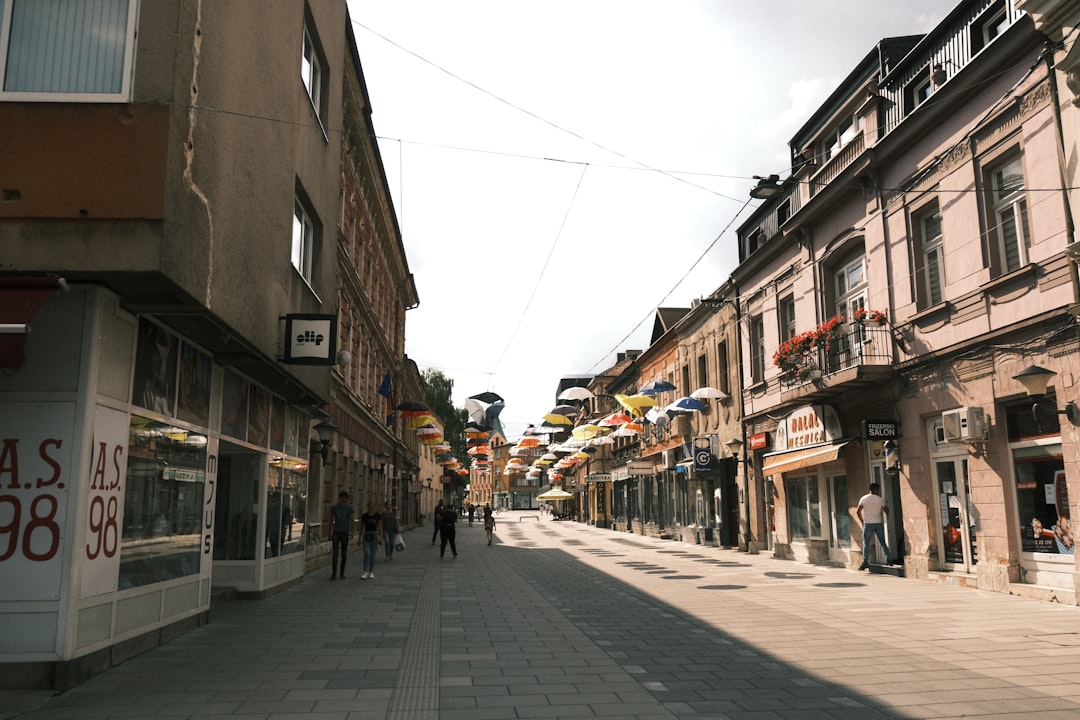
Safety is another non-negotiable factor. Renters should research crime statistics for potential neighborhoods and visit at different times to get a feel for the area’s atmosphere. Local amenities, such as parks, libraries, community centers, and entertainment venues, contribute to a rich and engaging lifestyle. For families, the quality of local schools is often a decisive factor, and resources like GreatSchools.org can provide valuable insights into educational institutions in different areas.
The cost of living, including average rental prices, varies significantly across neighborhoods, even those with similar CTA access. While apartments near CTA stations can sometimes command higher rents due to their prime location, some lines or stations might offer a better balance of affordability and convenience. For instance, neighborhoods further out on the Blue Line or Green Line might provide more budget-friendly options while still offering efficient commutes. It’s about finding that sweet spot where transit accessibility meets your personal preferences for neighborhood ambiance, amenities, and budget. Exploring public transport friendly apartments can often lead to discovering areas that offer this optimal balance.
Frequently Asked Questions about Modern Apartments
To help you navigate the complexities of finding the ideal apartment close to CTA, we’ve compiled answers to some frequently asked questions.
Which CTA lines offer the most consistent service for commuters?
For commuters prioritizing consistency and extended hours, the Red Line and Blue Line are generally considered the most reliable. The Blue Line, in particular, operates 24 hours a day, providing continuous service between O’Hare International Airport, downtown Chicago, and its western branches. This makes it an excellent choice for those with early morning or late-night commutes, or frequent travelers. The Red Line also offers 24-hour service, connecting the far North Side to the South Side, passing through major business and entertainment districts. These lines serve as critical connectivity hubs, ensuring that residents have consistent access to transportation whenever they need it.
What amenities are most common in transit-oriented developments?
Modern transit-oriented developments (TODs) are designed to offer a comprehensive living experience. Common amenities often include state-of-the-art fitness centers, rooftop decks with panoramic city views, secure bike storage, and convenient package rooms for online deliveries. Many also feature co-working offices or business centers to support remote work, and pet-friendly facilities like dog runs and washing stations. Resident lounges, community kitchens, and social spaces are also prevalent, fostering a sense of community among residents. These amenities aim to provide convenience and luxury within the building itself, complementing the ease of access to the city via CTA.
How can residents evaluate a location beyond its proximity to the ‘L’?
Evaluating a location goes beyond just checking its distance to the nearest CTA station. We recommend considering several key factors:
- Walk Score: Look for a high walk score, indicating easy access to daily necessities and entertainment on foot.
- Local Dining and Retail: Research the variety and quality of restaurants, cafes, and shops in the immediate vicinity.
- Grocery Access: Ensure there are convenient grocery stores or markets nearby.
- Proximity to Parks and Green Spaces: Access to nature, whether it’s a small park or a larger recreational area like Montrose Beach, can significantly enhance quality of life.
- Neighborhood Entertainment: Consider local theaters, music venues, museums, or other cultural attractions that align with your interests.
- School Districts: If you have children or plan to, research the local school ratings using resources like GreatSchools.org.
- Safety and Community Feel: Spend time in the neighborhood at different hours to get a sense of its safety and overall atmosphere.
Considering these factors ensures that your chosen apartment location not only offers excellent transit access but also supports the lifestyle you desire.
Conclusion
The pursuit of an apartment close to CTA in Chicago is a journey towards maximizing urban mobility and lifestyle integration. We’ve explored how the strategic placement near CTA ‘L’ stations, especially the 24-hour Blue and Red Lines, can transform daily commutes into efficient, stress-free experiences, opening up the entire city from O’Hare to the Downtown Loop and beyond.
Modern apartments in these transit-rich areas are not just homes; they are thoughtfully designed living spaces that boast an array of amenities, from rooftop pools and fitness centers to co-working spaces and pet-friendly facilities. Smart technology further enhances comfort and convenience, while contemporary interior design trends like floor-to-ceiling windows and sleek finishes create aesthetically pleasing and functional environments.
Navigating Chicago’s diverse transit corridors, from the Green Line’s elevated views to the Brown Line’s access to vibrant North Side neighborhoods, offers a spectrum of choices. Online resources are invaluable tools for pinpointing apartments near specific stations or lines, helping renters to efficiently filter through the many options available.
While CTA proximity is a powerful draw, a truly comfortable urban living experience involves balancing this convenience with other crucial lifestyle factors. Considering neighborhood characteristics, walkability, local amenities, and safety ensures that your chosen location not only connects you to the city but also enriches your daily life. By thoughtfully evaluating these elements, you can find an apartment that meets the highest Chicago living standards, offering unparalleled transit accessibility without compromising on comfort and quality of life.
Discover more from The Cameron Journal
Subscribe to get the latest posts sent to your email.




