
Key Takeaways
- 3D-printed concrete and cross-laminated timber are setting new standards for efficiency and eco-friendliness in building projects.
- Smart glass technology and engineered stone are having a profound influence on energy efficiency and design versatility in construction.
- While material costs are stabilizing, ongoing supply chain pressures remain, emphasizing the need for informed material choices and partnerships.
The construction industry is undergoing a significant transformation as forward-thinking companies and professionals adopt innovative materials that drive progress in sustainability, performance, and design. These emerging technologies are changing the way structures are built, optimizing costs, accelerating project timelines, and making buildings more environmentally friendly. With the support of key partners such as a trusted roofing contractor united states, today’s projects benefit from the latest advances that ensure safety, beauty, and durability in new construction.
Clients, developers, and architects now have access to materials that were unimaginable just a decade ago. These innovations not only enable bold architectural concepts but also address critical challenges, such as reducing energy consumption and minimizing environmental impact. Whether you are a homeowner, a real estate investor, or a commercial builder, keeping up with these trends is crucial for successful, future-proof construction projects.
3D-Printed Concrete: Revolutionizing Construction Speed and Design
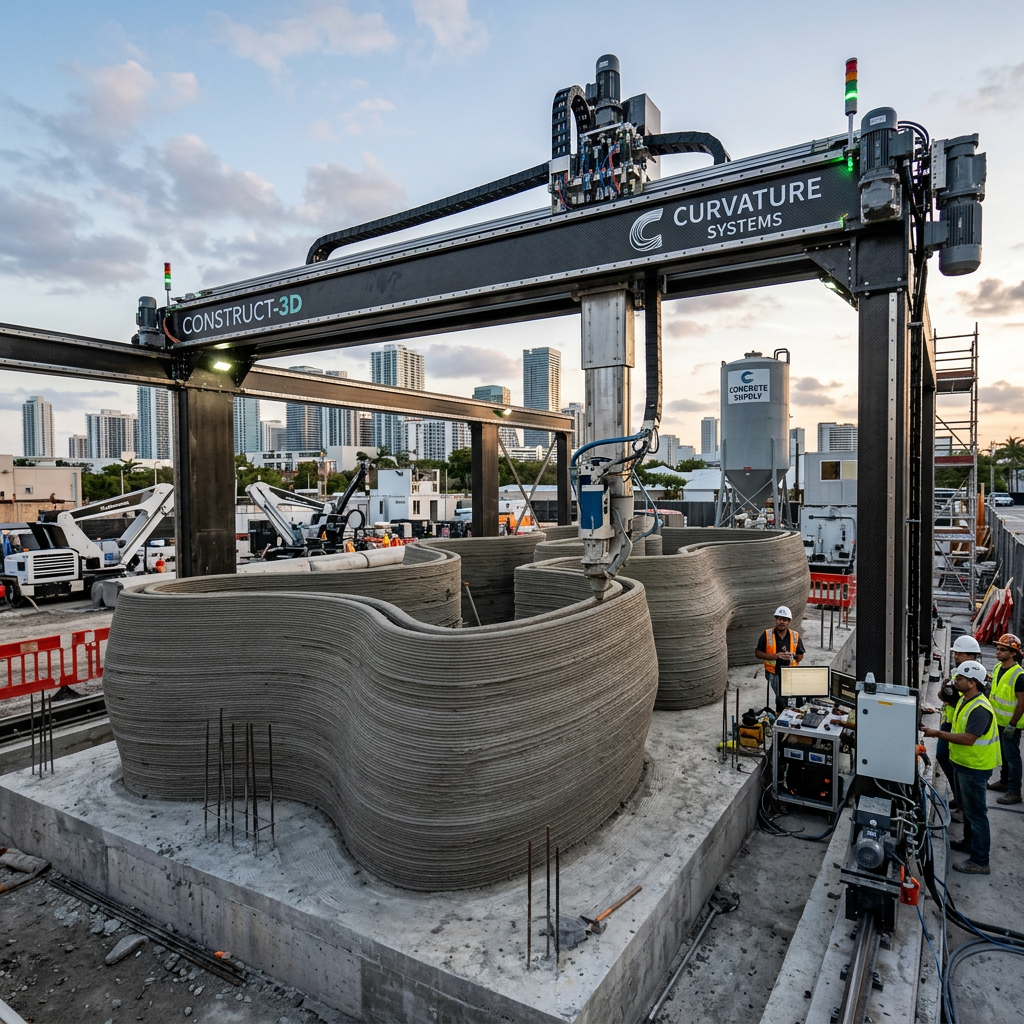
Among the most disruptive materials in recent construction history, 3D-printed concrete allows for rapid and precise building of intricate forms. This method uses a specialized printer to layer concrete precisely according to digital plans, drastically reducing both time and material waste. Not only does this unlock limitless shapes for architects, but it also streamlines project management, allowing structures like emergency shelters or affordable housing units to be delivered quickly and cost-effectively.
Recent projects around the world are demonstrating the potential of this technology to improve the affordability and resilience of the built environment. According to Architectural Digest, 3D-printed concrete buildings are expected to become increasingly mainstream, with companies continuing to refine methods for even greater efficiency and scale.
Cross-Laminated Timber (CLT): Sustainable and Strong
CLT is a pioneering wood product that stacks multiple layers of timber at 90-degree angles, bonded to create extraordinarily strong and stable panels. This “mass timber” material is celebrated not only for its strength but also for its incredibly low carbon footprint and speed of assembly. By substituting CLT for steel or reinforced concrete in mid-rise buildings, designers can achieve impressive results with a fraction of the emissions associated with traditional construction materials.
Iconic projects like Vancouver’s Brock Commons Tallwood House highlight CLT’s impact, with the 18-story building finished significantly faster than a comparable concrete structure. As green building codes emphasize embodied carbon and renewable sourcing, CLT is set for even wider adoption globally.
Smart Glass: Enhancing Energy Efficiency
As buildings aim for improved performance, smart glass has emerged as a revolutionary solution for managing daylight, heat, and privacy. This dynamic material changes its transparency or tint in response to electrical signals, reducing glare and solar heat gain without sacrificing natural light or outside views. When integrated into building automation systems, smart glass can give occupants fine-grained control over their environments, while reducing cooling demands and energy costs.
Laboratories and offices are prime candidates, but residential projects are increasingly adopting this technology as well. Retrofitting older buildings with smart glass is also proving to be a strategic upgrade for those looking to boost energy performance.
Engineered Stone: Durable and Versatile
Engineered stone, such as quartz composite surfaces, has emerged as a frontrunner in modern kitchens and bathrooms. These products blend natural stone fragments with high-performance resins, resulting in durable, stain-resistant, and non-porous surfaces. For commercial and healthcare applications, engineered stone’s hygienic attributes make it the material of choice, as it does not harbor bacteria or require sealing like traditional granite.
Beyond kitchens and baths, engineered stone is expanding its presence into flooring, wall cladding, and custom furniture, thanks to its color versatility and low-maintenance profile. Home and business owners searching for robust but visually appealing surfaces now turn to engineered stone for longevity and straightforward care.
Stabilizing Material Costs and Supply Chain Improvements
The construction industry has faced years of volatile material pricing, but recent trends point towards stabilization as more suppliers recover from global disruptions. In 2024, the market shows resilience, even as select materials like copper and certain electrical components experience upward pressure due to ongoing global demand.
Backlog-conscious contractors and strategic procurement are helping builders control expenses and maintain project schedules. Establishing robust relationships with local material providers and specialized contractors is paramount to keeping costs predictable and avoiding unnecessary delays. For the most current national and global construction cost data, Engineering News-Record remains a trusted resource.
Conclusion
The development and adoption of next-generation construction materials are profoundly reshaping the built environment. From the customization of 3D-printed concrete and the environmental benefits of CLT to the performance upgrades enabled by smart glass and engineered stone, today’s innovations are making construction faster, smarter, and more sustainable. By staying informed and prioritizing new materials and technologies, builders and property owners alike can create resilient spaces that meet the demands of tomorrow’s world.
Discover more from The Cameron Journal
Subscribe to get the latest posts sent to your email.




