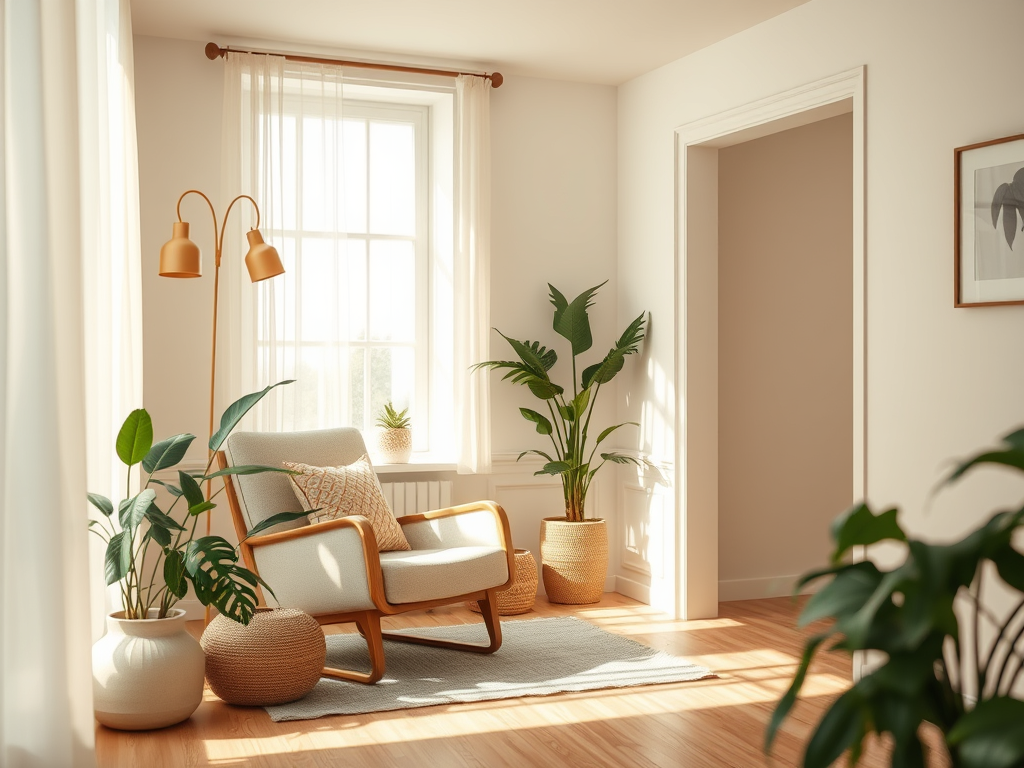
Busy parents juggling work and wellness, remote workers logging long hours, and older adults aiming to age comfortably often share the same frustration: home environment health challenges that show up as restless sleep, headaches, allergies, or a constant sense of fatigue. The core tension is that the place meant to restore energy can quietly drain it through stale air, harsh lighting, noise, and layouts that add daily strain. Health-focused home remodels help align everyday spaces with the body’s needs instead of fighting them. With the right focus, small and large changes can create healthy living spaces that support steady routines, calmer days, and real well-being improvements.
Understanding Wellness-First Remodeling
Wellness-first remodeling means choosing upgrades that support how your body works every day, not just how a room looks. It starts with four basics that reinforce each other: cleaner air, better light, calmer sensory cues, and layouts that reduce strain. When those pieces line up, each decision has a clear purpose.
This matters because your home shapes your baseline energy and focus. Americans spend about 90 percent of their time indoors, which makes air quality and lighting more than “nice to have.” A few smart changes can help you think clearer, sleep deeper, and feel less worn down.
Think of it like editing an essay. If the structure is messy, every sentence works harder. When indoor pollutants are higher, harsh lighting and awkward setups add even more friction, and the day reads as stress. With the “why” clear, the highest-impact upgrades become easier to choose.
Choose 8 Upgrades With the Biggest Wellness Payoff
Wellness-first remodeling works best when you pick a few changes that reinforce each other, cleaner air, better light, quieter sleep, and easier movement, rather than chasing a “perfect” home all at once. Here are high-impact upgrades you can mix and match based on your space, budget, and daily routines.
- Claim a mini meditation room (or corner): Pick the quietest spot you have, a spare room, closet office, or even a screened-off corner, and remove visual clutter first. Add one comfortable seat, a small surface for a candle or journal, and a soft light source so the space feels distinct from “work mode.” The payoff is consistency: when the setup stays ready, a 5–10 minute reset becomes realistic on busy days.
- Make your bedroom sleep-friendly by controlling temperature and light: Start with the simplest fixes: blackout curtains, dimmable bulbs, and charging phones outside the bed if possible. If you can adjust HVAC or add a ceiling fan, aim for a cooler room since guidance to keep the room temperature around 60–67°F helps support better sleep. If you’re repainting anyway, choose calm, low-contrast colors so your eyes and mind don’t stay “on.”
- Upgrade air quality with targeted filtration: If someone in your household has allergies, asthma, or frequent headaches, put air quality near the top of your list. Start by sealing obvious leaks (around windows/doors) and changing HVAC filters on schedule, then consider air purification systems for bedrooms and main living spaces. This pairs well with other wellness priorities because cleaner air supports sleep, focus, and even how good a workout feels.
- Boost natural light where you spend your mornings: Identify one “anchor” area, kitchen table, desk, or living room chair, and improve daylight there first. If you’re remodeling, options like skylights, windows, and light wellscan bring natural illumination deeper into the home; if you’re not, try lighter wall paint and mirrors that bounce existing light. More daylight can gently stabilize your daily rhythm, especially in winter.
- Install a home gym that’s hard to avoid: Keep it small and visible. Go for a clear 6′ x 6′ zone with a mat, a couple weights, and a place to hang bands. Put it near a window or good ventilation so it feels inviting rather than like a storage corner. If noise is an issue in apartments or shared homes, add a thick rubber underlayment to protect floors and relationships.
- Revamp your outdoor space for “easy time outside”: The goal isn’t a magazine yard, it’s a place you’ll actually use on a Tuesday. Add a simple path you won’t slip on, a chair that’s comfortable for 15 minutes, and a small table so you can read or eat outside. If you can, include shade and a bug-reducing plan (screen, fan, or plants) so the space stays usable.
- Create a “decompression” entry that lowers stress: Give yourself a landing strip for life: hooks at shoulder height, a bench or small stool, and a tray for keys/mail. This reduces visual clutter and decision fatigue the moment you walk in, which supports the stress-reduction design principles you’re building toward. It’s also a low-cost project that makes the whole house feel more manageable.
- Fix the ergonomic pain points you’ve learned to tolerate: If your shoulders tense at your desk or you dread cooking because your back hurts, treat that as remodel data. Adjust counter heights during a kitchen refresh, add task lighting where you chop, or build a simple standing desk surface into an existing room. These upgrades protect daily energy, especially if you work with words, media, or screens, and they’re easier to scope when you write down the specific moments that hurt.
Pick two or three upgrades that work together, like better air + better sleep + a small movement zone, then price them out in plain language so you can compare bids, timelines, and trade-offs with confidence.
Common Questions About Wellness Remodeling
Small choices can keep upgrades calm, doable, and truly health-supportive.
Q: What home remodeling projects have the biggest impact on improving indoor air quality and reducing allergens?
A: Start with ventilation and air sealing, then add better filtration, because these reduce what enters and what lingers. Ask HVAC and insulation contractors for proof of licensing, insurance, and recent references, then confirm who handles cleanup and disposal of dusty materials. Get itemized bids so you can compare scopes, not just prices, and include a buffer since detailed estimates help prevent budget shock.
Q: How can I create a dedicated meditation or relaxation space that genuinely helps reduce stress at home?
A: Pick a spot you can protect from “project creep,” then set simple rules: no storage, no screens, no tools. If you need trades help, a handyman can add a door, sound-dampening weatherstripping, or a dimmer switch in a few hours, and you should verify permits if wiring changes are involved. Keep it sustainable by finishing one small phase before buying more.
Q: What are some effective ways to design a bedroom that promotes better sleep and overall well-being?
A: Prioritize darkness, quiet, and temperature control, then choose low-odor finishes and easily cleaned surfaces. When hiring painters or flooring installers, ask what low-VOC options they regularly use and how long the room needs to finish off-gassing before you sleep there. Protect your timeline by scheduling bedroom work early so delays do not disrupt rest for weeks.
Q: How can enhancing natural light and outdoor spaces contribute to mental health and feeling less overwhelmed?
A: Daylight and an easy-to-use outdoor spot can make routines feel less heavy, especially when work and news cycles are intense. For window changes, verify your contractor pulls permits, confirms structural needs, and details lead times, since glass and custom sizes can stretch schedules. If the budget is tight, start with a single “bright corner” and a safe path or seating outside.
Q: If I’m planning multiple home renovations but feeling financially stretched, how can I manage or refinance my home loan to afford these health-focused upgrades?
A: Reduce overwhelm by ranking projects into must-do health fixes, nice-to-have comfort upgrades, and later goals, then request phased bids with clear start and finish dates. If you have significant equity, talk with a lender about options such as a cash-out refinance or, for higher-value properties, jumbo refinancing, while comparing total costs and payment stability. Use rate comparisons like the 30-year fixed jumbo rate versus a standard fixed loan to sanity-check affordability before committing, and if you’re exploring options, refinance jumbo loans.
Steady progress beats perfection, especially when your home is meant to lower stress.
Finish Your Health-Focused Remodel Plan
This checklist turns wellness goals into a clear plan you can follow even when work, politics, and culture feel loud. Use it to reduce surprises, protect your time, and keep decisions aligned with how you want to live and think.
- Define goals for air, sleep, light, and stress relief
- Set a phased budget buffer since 80% of homeowners run over
- Request itemized bids that list materials, labor, cleanup, and disposal
- Verify licenses, insurance, and references for every trade you hire
- Confirm permits and inspections before opening walls or changing wiring
- Choose low-odor, easy-clean finishes and ask about off-gassing time
- Track lead times and lock a realistic start to finish timeline
Check off one line today, then stop, breathe, and enjoy the momentum.
Start Small to Build a Healthier, More Supportive Home
It’s easy to feel stuck between wanting a healthier home and fearing the cost, disruption, or decision fatigue of taking action on remodels. A steady, checklist-driven mindset keeps healthy home improvements focused on what matters most: safer materials, clearer timelines, and choices that fit real life. When the plan is simple and consistent, the well-being benefits show up in how the space feels, functions, and supports daily routines. One thoughtful change can shift how a home supports health every day. Choose one project to start this week, pick the smallest step that makes progress and put it on the calendar. That kind of home environment empowerment builds resilient, supportive spaces that can adapt as needs, and the community around them, change.
Discover more from The Cameron Journal
Subscribe to get the latest posts sent to your email.