
Table of Contents
- Understanding Master-Planned Communities
- Researching the Community
- Evaluating HOA Rules and Fees
- Assessing Amenities and Services
- Planning for Future Development
- Engaging with the Community
- Financial Preparation
- Conclusion
Moving into a new master-planned community is an exciting opportunity to enjoy a thoughtfully designed neighborhood, offering modern amenities and meaningful connections with neighbors. Before settling in, taking careful steps to prepare will ensure your move is smooth and that you fully benefit from your new environment. If you are considering communities like Crosswind Ranch Parrish FL, it is important to understand both the tangible and intangible aspects that shape daily living.
Master-planned communities (MPCs) rise in popularity thanks to their blend of convenience, comprehensive planning, and social engagement. They are crafted to foster vibrant lifestyles while ensuring residents have easy access to essential services and recreational facilities. With distinctive neighborhood layouts and an array of amenities, MPCs offer unique advantages for families, professionals, and retirees seeking a well-rounded community experience.
However, choosing the right community requires more than just finding a beautiful home. Evaluate every dimension of the neighborhood, from rules for shared spaces to opportunities for social participation. Investing time in preparation allows you to avoid unpleasant surprises, manage long-term expectations, and maximize your return on investment.
Before committing, spend time learning about the specific development, its master plan, and the long-term vision. Whether opting for a quiet enclave or a socially active hub, your research will ensure the best possible match for your lifestyle and needs.
Understanding Master-Planned Communities
Master-planned communities are large, carefully developed neighborhoods that blend a variety of housing styles with public amenities like schools, shopping areas, parks, and recreational spaces. A true MPC is organized to offer a self-sufficient, aesthetically coordinated environment. Planners devote significant attention to ensuring a logical flow between homes, green spaces, and commercial centers, aimed at promoting both functionality and a sense of belonging among residents. According to Redfin, living in an MPC is about joining a community intentionally designed for lifestyle, convenience, and long-term value.
Researching the Community
Critical to a satisfying MPC experience is evaluating whether the community truly fits your routine and preferences. Visit several times at different hours to gauge noise, traffic, and general ambiance. Talking with current homeowners offers first-hand insights into both advantages and issues not visible on paper. Reviewing the published master plan helps you assess future infrastructure, expansion plans, and the overall vision, empowering you to anticipate changes that could impact your home’s value and your quality of life.
Evaluating HOA Rules and Fees
Most master-planned communities have a homeowners’ association that manages shared spaces and sets guidelines for property upkeep. Review the HOA’s covenants, conditions, and restrictions to be sure they are compatible with your lifestyle and plans. Pay special attention to fee schedules and what those fees actually cover. Some HOAs include maintenance, landscaping, and even security, while others might charge extra for certain amenities. Unexpected fee increases and rigid rules are common complaints, so knowing these details in advance helps avoid future frustration. Realtor.com offers valuable advice on evaluating HOA fees and expectations in new communities.
Assessing Amenities and Services
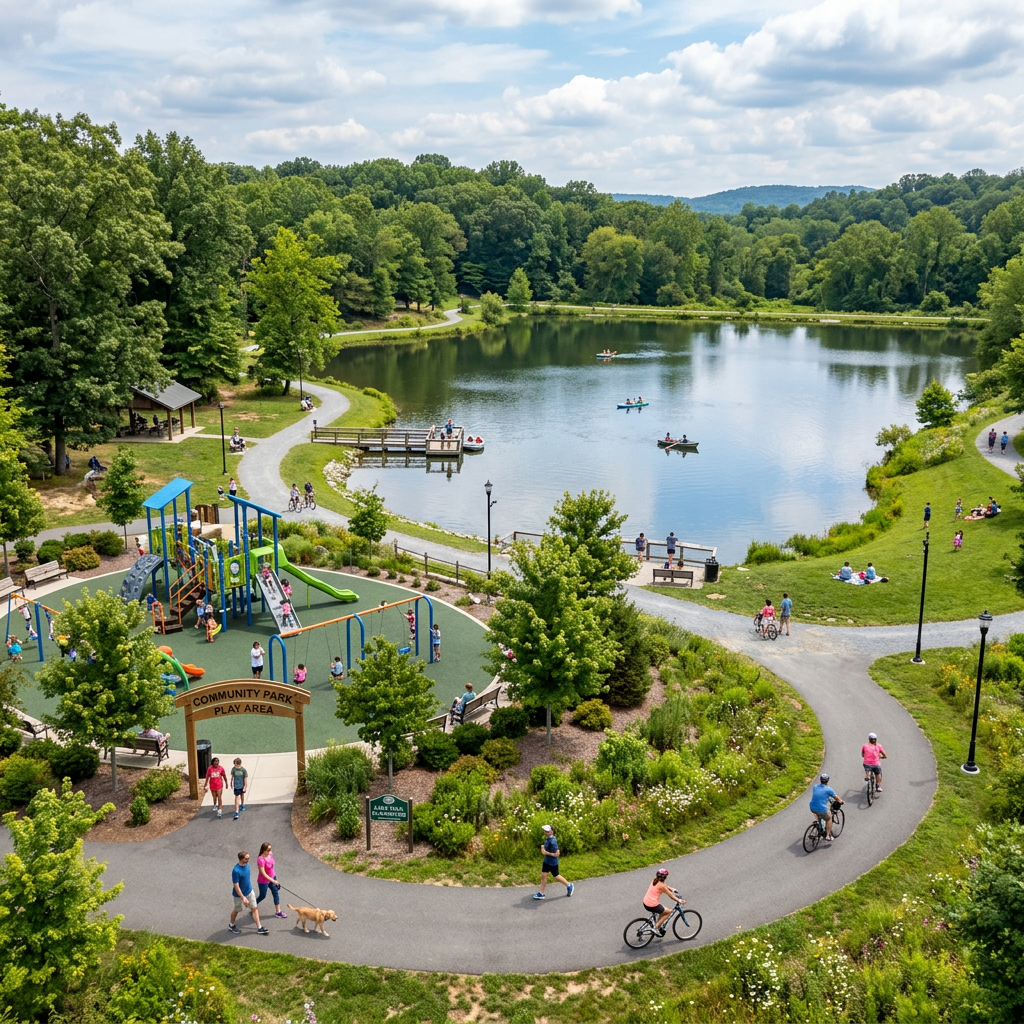
The amenities offered within an MPC set these communities apart from standard neighborhoods. Before you decide, examine the types, quality, and accessibility of shared features like fitness centers, pools, playgrounds, trails, and clubhouses. Confirm not only how well these facilities are maintained but also whether there are any hidden usage fees or reservation systems. Consider your current lifestyle and future needs, since these amenities should enhance your everyday experiences for years to come. Additionally, review the availability of nearby schools, healthcare centers, dining options, and retail spaces that contribute to daily convenience. Access to reliable internet service, public transportation, and outdoor gathering areas can also influence your overall satisfaction. Taking time to compare amenities between communities ensures you choose a neighborhood that aligns with your priorities, lifestyle preferences, and long-term family goals.
Planning for Future Development
Many MPCs expand over several years or even decades, with additional phases introducing new homes, parks, and retail elements. When evaluating a specific development, get clarity on the projected timeline for completion, construction zones that may impact you, and how new growth could affect the character or traffic in the area. Understanding the developer’s full vision can help you set expectations about daily life and neighborhood evolution. It is also wise to research planned infrastructure improvements, such as road expansions, schools, and commercial centers that may increase convenience and property values. Reviewing zoning plans and speaking with local officials or residents can provide valuable insight into anticipated growth patterns. Careful planning allows you to better understand how the community may change over time and whether those developments align with your future expectations and lifestyle needs.
Engaging with the Community
Engagement is essential for making the most of where you live. Regularly attending HOA meetings, joining interest groups, and participating in social or volunteer events connect you with neighbors and ensure you are informed about key decisions. Many MPCs are proactive in organizing activities and gatherings; getting involved early helps foster a greater sense of community and belonging. Strong neighborhood relationships can improve communication, create support systems, and encourage a safer, more welcoming environment for residents of all ages. Community participation also gives you opportunities to influence local initiatives, suggest improvements, and stay updated on upcoming projects or policy changes. Building these connections early can make the transition into a new neighborhood smoother while helping your family establish meaningful friendships and lasting ties within the community.
Financial Preparation
Your MPC budget extends far beyond a home’s purchase price. Factor in recurring costs such as HOA dues, property taxes, and maintenance fees for shared amenities or landscaping. Preparing for these costs in advance shields you from financial stress, especially if unexpected expenses or fee increases arise. Setting aside a modest contingency fund for repairs or special assessments can also safeguard your long-term satisfaction with the investment. In addition, consider future utility costs, insurance premiums, commuting expenses, and potential upgrades you may want to make over time. Reviewing your overall financial plan carefully helps ensure that homeownership remains sustainable and comfortable. Working with financial advisors or mortgage professionals can also guide budgeting strategies, allowing you to confidently manage both expected expenses and unforeseen costs associated with living in a growing master-planned community.
Conclusion
Moving into a master-planned community promises convenience, community, and lifestyle enrichment, but it also demands careful preparation. Research the neighborhood, scrutinize its rules and costs, and get to know your fellow residents. With proactive planning and engagement, you can enjoy a seamless transition and make the most of every benefit your new MPC has to offer.
Discover more from The Cameron Journal
Subscribe to get the latest posts sent to your email.




 offers lifestyle benefits, but thorough preparation is essential.)