
Key Takeaways
- Begin with the daily frustrations in your existing shower, not just the finishes you want to replace.
- Plan safety, drainage, lighting, storage, and ventilation before work begins behind the walls.
- Choose materials and fixtures that support simple cleaning without sacrificing the style of your Tucson home.
- Set aside room in the budget for waterproofing, repairs, permits, and unexpected conditions.
Table Of Contents
- Start With a Bathroom Check
- Set Clear Remodeling Goals
- Choose a Shower Layout
- Add Safety Features Early
- Select Easy-Care Materials
- Improve Ventilation and Moisture Control
- Plan Lighting and Storage
- Build a Realistic Budget
- Follow a Remodeling Checklist
- Common Questions
- Make the Remodel Work for Daily Life
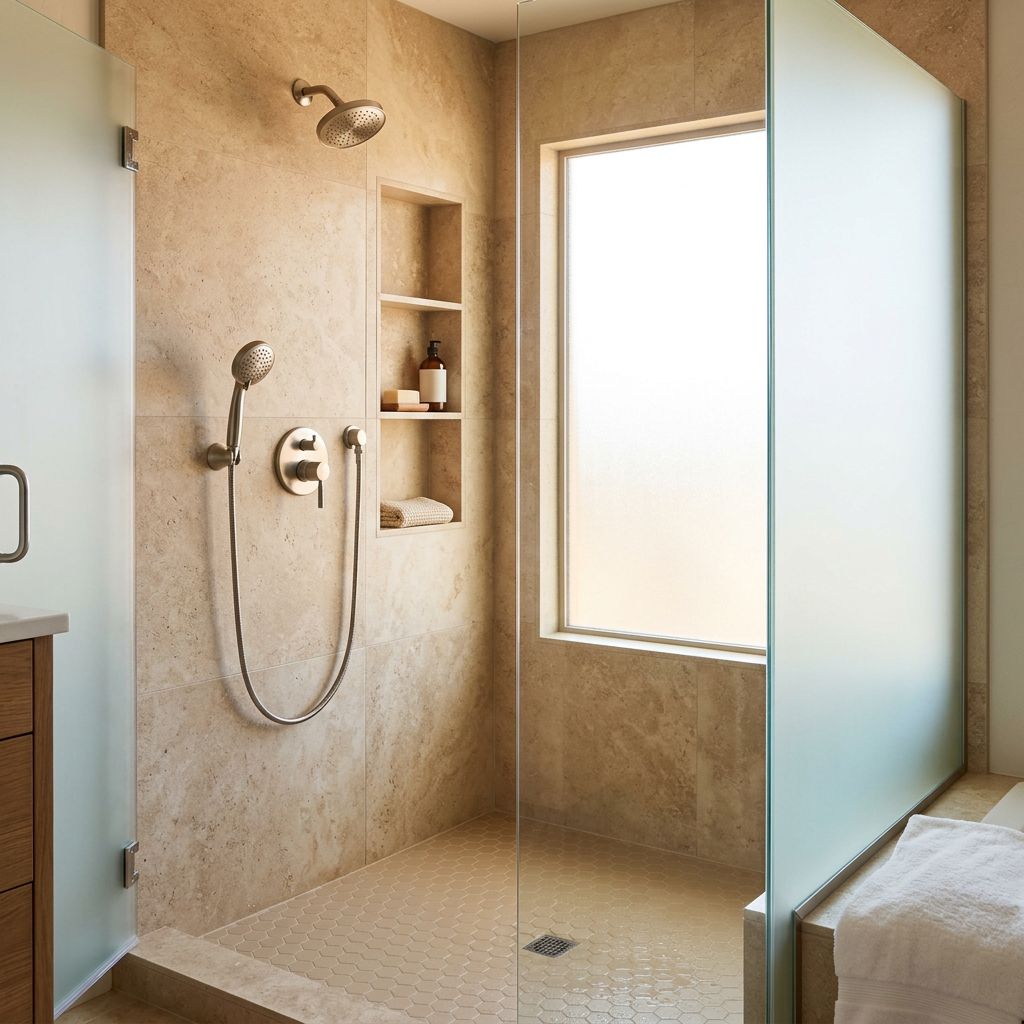
A shower remodel can make a Tucson bathroom more comfortable, more practical, and easier to maintain through years of daily use. Whether the room feels dated, cramped, slippery, or difficult to clean, professional shower installation services can help turn a list of recurring problems into a focused remodeling plan.
In Southern Arizona, a dry outdoor climate does not remove the need to manage moisture indoors. Every shower creates humidity, and a successful remodel should pair a fresh appearance with dependable drainage, sound waterproofing, useful storage, and ventilation that helps the room dry after bathing.
1. Start With a Bathroom Check
Before selecting tile, wall panels, or fixtures, spend several days noticing how the current shower works. Look for water that pools after use, cracked surfaces, loose caulk, stained ceilings, peeling paint, or walls that feel soft near plumbing. Also note awkward steps, dark corners, slippery areas, and where shampoo bottles, towels, and cleaning supplies end up.
This quick review separates cosmetic wishes from conditions that need correction. A new surround should not simply cover a leak or unresolved water damage. Investigating those concerns first can help protect the new work and avoid surprises after demolition begins.
2. Set Clear Remodeling Goals
Make a short priority list before comparing designs or estimates. This gives every decision a purpose and helps prevent attractive but unnecessary extras from taking over the budget.
- Must-haves: safer entry, better lighting, reliable drainage, or a more stable shower floor.
- Helpful upgrades: a handheld showerhead, recessed shelf, adjustable shower bar, or seating.
- Optional details: accent finishes, decorative glass, specialty fixtures, or upgraded hardware.
For many Tucson households, the best result is a shower that supports both present routines and future needs rather than a design chosen only for its immediate visual impact.
3. Choose a Shower Layout
The right layout depends on room dimensions, existing plumbing, door clearance, drainage options, and who uses the bathroom. A walk-in shower can provide an open feel and easier access. A low-threshold shower reduces the height of the step into the bathing area. A curbless design creates a nearly level transition, but it requires careful floor slope and drainage planning. A tub-and-shower combination may still be practical for households with young children, pets, or regular bath users.
Measure the room carefully, including windows, door swings, vanity clearance, and the space outside the shower. A layout that looks efficient on paper must still allow people to enter, dry off, reach towels, and clean the space comfortably.
4. Add Safety Features Early
Safety features work best when included before walls are closed and finishes are installed. For example, grab bars need secure support, whether that means framing reinforcement or another approved mounting method. Practical home changes that help prevent falls include adding grab bars near tubs and showers, improving lighting, and removing tripping hazards.
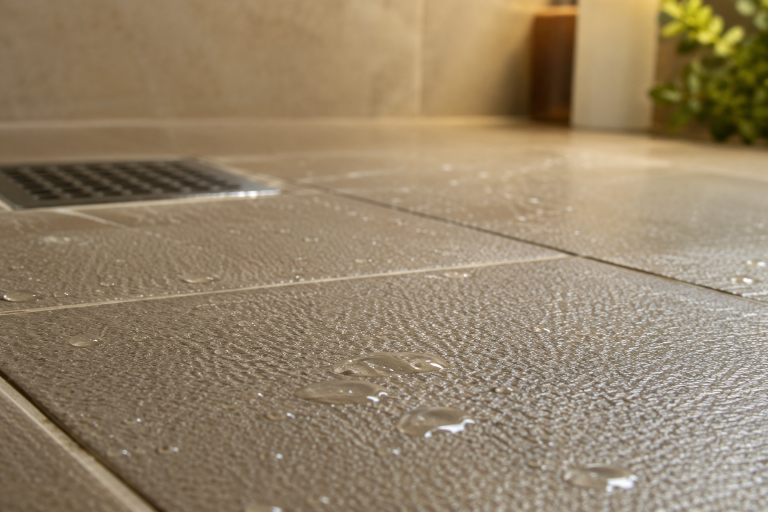
- Select a slip-resistant shower base or wet-area flooring suited to the space.
- Place controls where they can be reached before stepping into the spray.
- Consider a handheld showerhead on an adjustable bar.
- Add a built-in or fold-down seat when it fits household needs.
- Keep the path between the shower, vanity, and door clear.
5. Select Easy-Care Materials
Low-maintenance does not mean maintenance-free, but thoughtful material choices can reduce weekly effort. Large-format tile may mean fewer grout joints than smaller tile. Smooth wall panels can be simple to wipe down. Simple fixture shapes often have fewer narrow edges where residue collects. A recessed niche or shelf also keeps bottles off the shower floor, making cleaning easier and reducing clutter.
Whatever surface you choose, plan to inspect caulk, keep the drain clear, clean regularly, and address chips, loose grout, or leaks promptly. Durability depends on both proper installation and regular care.
6. Improve Ventilation and Moisture Control
Ventilation deserves the same attention as visible finishes. A bathroom exhaust fan should move humid air outdoors rather than into an attic or another enclosed space. The EPA explains that controlling moisture is central to limiting mold growth, and it recommends running a bathroom fan or opening a window while showering.
Repair plumbing leaks quickly, dry standing water, and investigate recurring stains or peeling paint. If humidity problems continue, a humidity monitor can help identify whether the bathroom stays damp longer than expected.
7. Plan Lighting and Storage
Layered lighting improves comfort and visibility. General ceiling lighting brightens the room, vanity lighting helps with grooming, and properly rated shower lighting can reduce dark corners in the bathing area. Soft nighttime lighting may also make late-night bathroom trips easier.
- Store frequently used items between knee and shoulder height when possible.
- Keep towels within easy reach of the shower entrance.
- Use niches, shelves, or organizers that prevent bottles from gathering on the floor.
- Choose lighting that minimizes glare on glass, mirrors, and glossy surfaces.
8. Build a Realistic Budget
A shower budget should include more than the visible fixtures. Account for demolition, disposal, plumbing, electrical updates, waterproofing, surface preparation, ventilation, lighting, labor, permits, inspections, and cleanup. Keep a contingency amount available for hidden water damage, subfloor repairs, or plumbing issues found after old materials are removed.
Compare written estimates by reviewing what each one includes, excludes, and warrants. The lowest number is not always the clearest scope of work.
9. Follow a Remodeling Checklist
- List the problems that make the existing shower difficult to use.
- Measure the room and document plumbing, electrical, doors, and windows.
- Rank safety, cleaning, comfort, and appearance priorities.
- Choose a layout that suits the household and available space.
- Review waterproofing, drainage, ventilation, and structural support.
- Select materials and storage that fit your cleaning routine.
- Request detailed estimates and clarify permit responsibilities.
- Complete a final walkthrough before accepting the finished project.
10. Common Questions
Does a safer shower have to look clinical?
No. Grab bars, seats, handheld showerheads, and low-threshold entries can be integrated with warm finishes, coordinated hardware, attractive wall surfaces, and well-planned lighting.
Is a walk-in shower always better than a bathtub?
Not always. A walk-in shower may improve access and simplify daily cleaning, while a bathtub can remain useful for bathing children, washing pets, or soaking.
What should be checked before demolition?
Review plumbing access, wall and floor conditions, drainage, electrical locations, ventilation, door clearance, and signs of existing water damage before the project begins.
Make the Remodel Work for Daily Life
A well-planned Tucson shower remodel should do more than modernize a bathroom. It should make daily routines safer, simplify cleaning, manage moisture, and give the household storage and comfort that remain useful long after installation is complete.
Discover more from The Cameron Journal
Subscribe to get the latest posts sent to your email.




