Tooth pain has a way of taking over your day. It can make meals less enjoyable, sleep harder to manage, and even simple conversations more distracting. If you live in or around Cherry Creek, it helps to know when discomfort is a passing problem and when it needs prompt care. The good news is that you do not need to guess your way through it. A few clear signs can help you decide when to call a dentist before a small issue grows into something more difficult.
Why Pain Should Not Wait
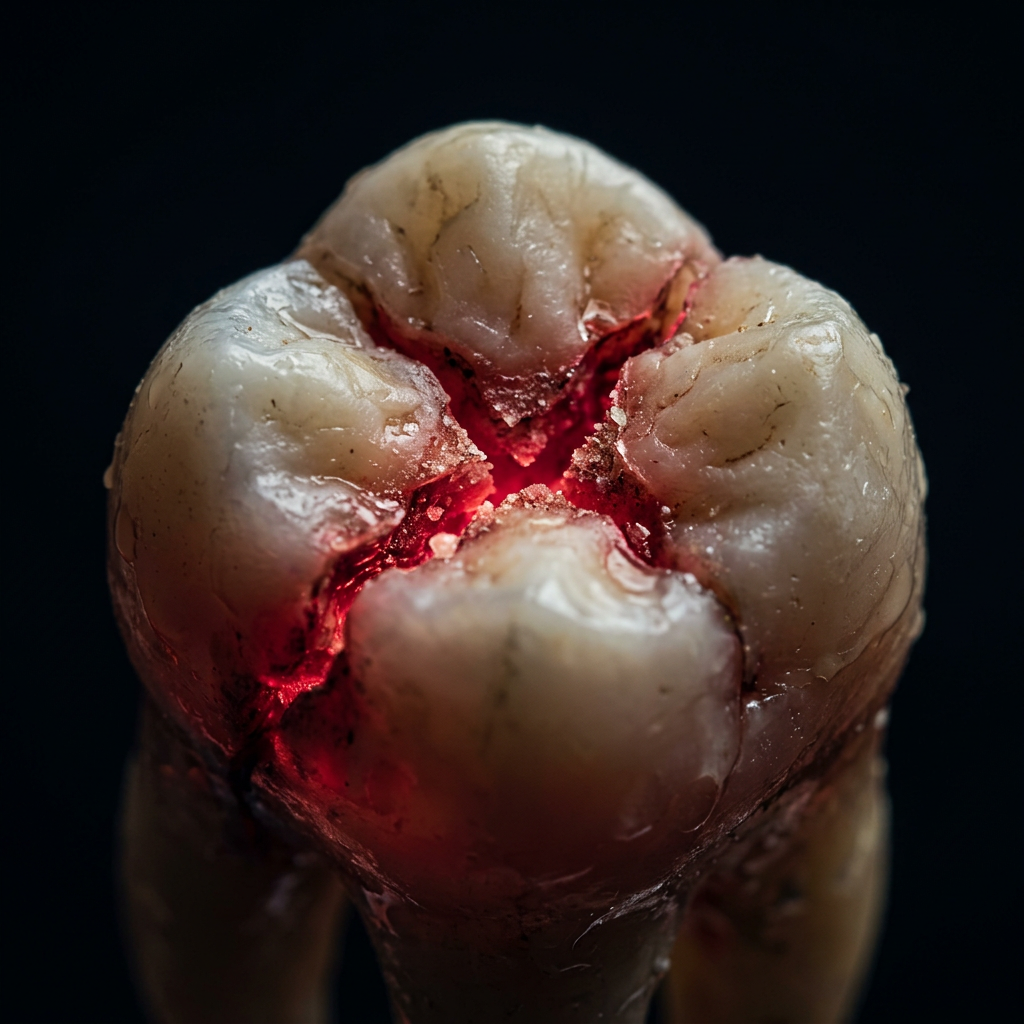
When a tooth keeps hurting, your body is usually trying to tell you something important. Pain that lasts more than a day or two is not something you should brush aside and hope disappears on its own. In many cases, discomfort starts when decay, damage, or infection reaches the inner part of the tooth. Once that happens, waiting often makes the situation harder to treat.
If you have sharp pain, throbbing, or sensitivity that lingers after eating or drinking, it may be time to ask a dentist whether root canal treatment in Cherry Creek is the right next step. That type of care is used when the inside of the tooth becomes inflamed or infected, and the goal is to save the natural tooth rather than remove it.
Early treatment usually means less disruption, less discomfort, and a better chance of keeping your smile healthy.
Common Causes Of Tooth Pain
Not all tooth pain has the same cause, which is why guessing can get you into trouble. One common reason is tooth decay. A cavity can start small, but if it gets deeper, it can irritate the sensitive layers inside the tooth. That irritation may feel dull at first, then become more intense.
A cracked tooth is another frequent cause. Even a small crack can create pain when you bite down, especially if the crack reaches the inner tissue. Old fillings can also wear out over time, leaving parts of the tooth less protected. Sometimes the issue is not the tooth itself but the gums, especially if inflammation has developed around the area.
You might also notice pain after grinding your teeth at night. That pressure can leave teeth sore and sensitive. The key point is simple. A toothache is not one single problem with one single answer. Lasting discomfort deserves a real evaluation so you can treat the actual cause instead of trying random fixes.
Signs You Need Prompt Care
Some symptoms are your cue to stop waiting and schedule a visit soon. One of the biggest signs is pain that does not fade after a meal, a cold drink, or a hot cup of coffee. If the sensation lingers instead of disappearing quickly, the tooth may be more irritated than you think.
Pain while chewing is another warning sign. If you keep avoiding one side of your mouth, that is useful information, not a minor inconvenience. Swelling near the gumline or jaw also matters because it can point to infection. A tooth that looks darker than the others may be reacting to damage inside.
Nighttime pain is especially hard to ignore. If a tooth is keeping you awake, your body is waving a large red flag. Sensitivity that turns into throbbing is also worth prompt attention. These signs do not always mean the same treatment will be needed, but they do mean your tooth should be checked before the problem becomes more severe.
What To Do At Home
While you are waiting for your appointment, there are a few sensible things you can do to stay more comfortable. Start with a warm saltwater rinse. It can help keep the area cleaner and may calm irritated tissue. Keep the water warm, not hot, since extreme temperatures can make sensitive teeth complain even more.
Try chewing on the opposite side of your mouth if one tooth hurts. Soft foods are often easier to handle than crunchy or sticky ones. It is also smart to avoid very cold drinks, hard candies, and anything that seems to trigger sharp pain right away.
If you use over-the-counter pain relief, follow the label directions carefully. Do not place aspirin directly on the gum or tooth. That old trick is more trouble than help. Keep brushing gently because skipping oral care can make the area feel worse. These steps can help you manage discomfort for a short time, but they are not a substitute for treatment when pain keeps coming back.
What Treatment May Involve
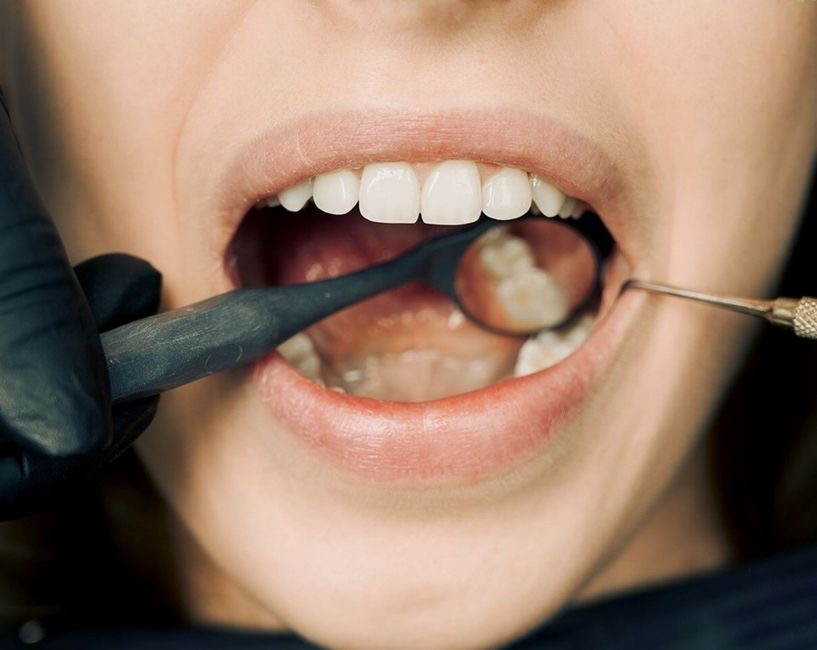
When you see a dentist for tooth pain, the first step is usually figuring out exactly where the problem starts. That may include an exam, a discussion of your symptoms, and dental images to look below the surface. A tooth can seem fine from the outside while still having trouble inside, which is why a careful check matters.
Some cases are straightforward and only need a filling. If a tooth is cracked, worn, or weakened, your dentist may recommend a crown for protection. When the inner pulp is inflamed or infected, treatment may focus on cleaning out that damaged tissue so the tooth can be sealed and preserved.
That sounds serious, but the purpose is actually simple. The goal is to stop pain, remove infection, and help you keep your natural tooth. Most people feel more nervous before the visit than after it. Once you know what is happening and what the plan is, the whole process often feels much more manageable.
How To Protect Your Smile
Prevention usually comes down to habits that are easy to overlook because they seem so ordinary. Brushing twice a day and flossing once a day still do a great deal of heavy lifting. They help remove the bacteria and food particles that can lead to decay and gum trouble over time.
Regular dental checkups matter just as much. Small cavities and worn fillings are much easier to fix before they start hurting. If you grind your teeth, ask about ways to protect them, especially if you wake up with jaw tension or morning sensitivity.
It also helps to pay attention to patterns. If a tooth bothers you every time you drink something cold, that is not random. If pain comes and goes, it is still worth mentioning. Teeth rarely improve through wishful thinking alone. The earlier you respond to discomfort, the more likely you are to avoid bigger treatment later and keep your smile in strong shape.
Discover more from The Cameron Journal
Subscribe to get the latest posts sent to your email.