Key Takeaways
- Assess your bathroom’s existing design and plumbing before beginning.
- Select a shower style and materials that reflect modern aesthetics and individual taste.
- Incorporate accessibility features that meet both current and future needs.
- Prepare a budget that accounts for all expected and surprise costs.
- Choose between DIY and professional installation depending on your comfort and project complexity.
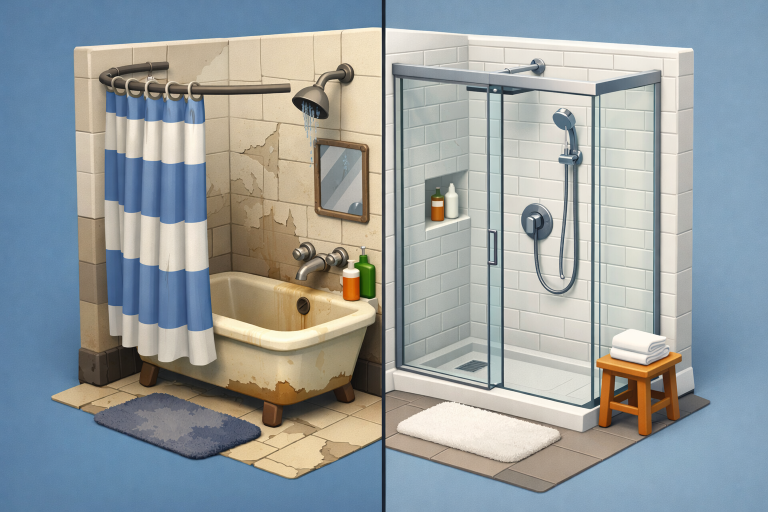
Transforming your bathroom by converting an old bathtub into a modern shower not only elevates the visual appeal but also enhances the room’s practicality for daily use. If you’re seeking to update your space for comfort, accessibility, or style, this guide will walk you through crucial considerations and steps. To better understand the process, see how it works and determine if a tub-to-shower conversion fits your project goals.
Deciding to remodel isn’t just about the trends. The right design can improve your bathroom’s layout and create a more user-friendly environment. Making these upgrades thoughtfully can directly influence the utility, safety, and value of your home.
Assessing Your Bathroom’s Layout and Plumbing
Careful evaluation of your current bathroom setup is essential before any demolition begins. Measure available space to determine the type and size of shower that will fit comfortably. Note the placement of existing plumbing lines and ensure that the water supply and drainage can accommodate a new shower system. Missteps in this early stage can lead to costly rework or delays, so consult a plumber or contractor if necessary.
It’s also important to inspect for underlying issues, such as water damage or mold, which should be addressed during the conversion. Prioritizing a solid foundation ensures your new shower will be safe and long-lasting.
Choosing the Right Shower Design
Your shower design should integrate seamlessly with your lifestyle and available space. Prefabricated shower stalls are popular for their affordability and straightforward installation. For a more tailored solution, custom-tiled showers offer limitless options for color, pattern, and overall appearance. If you have a small bathroom, features such as pocket or sliding doors can help you make the most of every inch. For ideas on current layout trends, you can also browse inspirations from major home improvement sources such as Houzz.
Incorporating Modern Design Elements
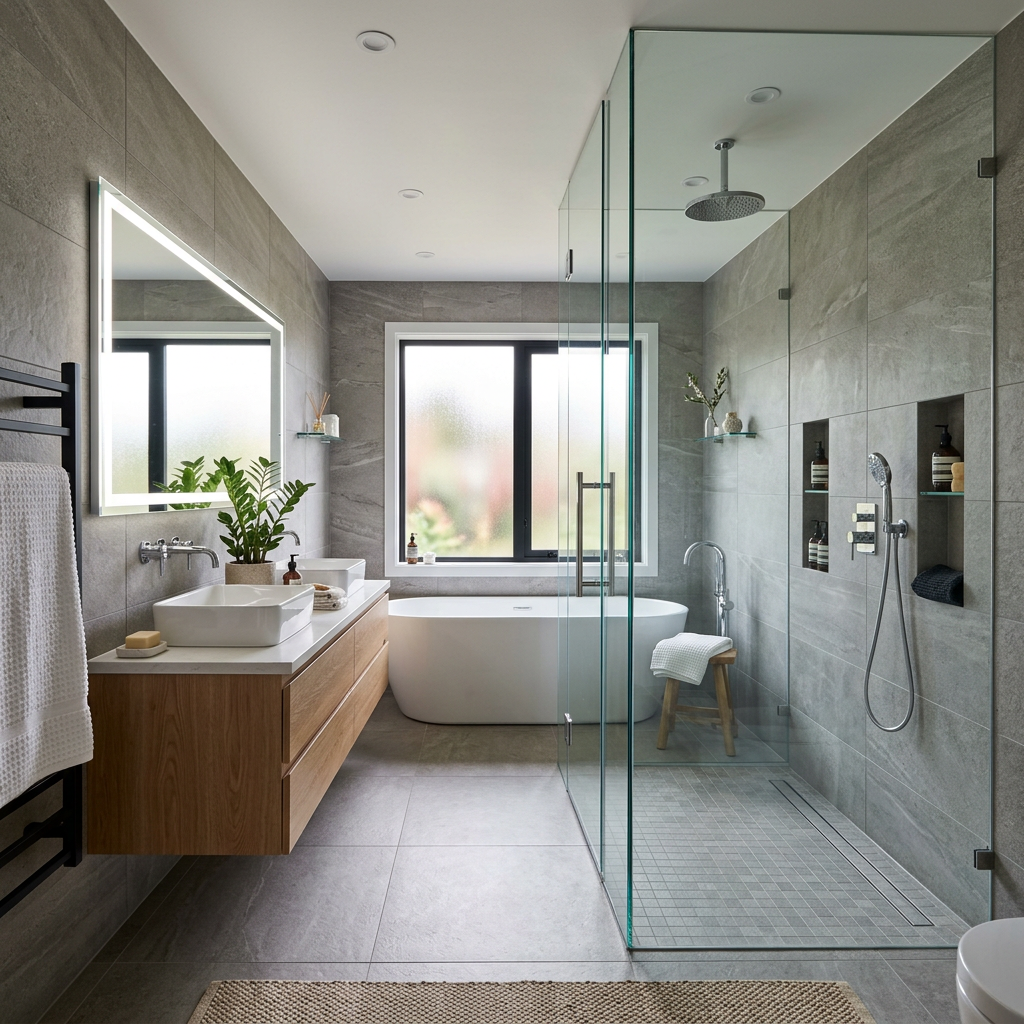
The modern shower is usually defined by clean lines, purposeful lighting, and a neutral or natural color palette. Frameless glass doors can give an airy, uninterrupted view, expanding the perception of space in compact areas. In addition to aesthetics, consider how natural light enters the room. Adding a window, transom, or skylight can enhance both energy efficiency and ambiance.
Modern fixtures, such as rainfall showerheads or integrated shelving, create a luxurious and practical environment. These touches not only improve your daily routine but also add a timeless quality to the bathroom.
Ensuring Accessibility and Safety
Integrating accessibility features into your shower, including grab bars and built-in benches. Clean lines, purposeful lighting, and a neutral or natural color palette usually define the modern shower. These details are essential for individuals facing mobility challenges and help ensure that your bathroom remains functional as family needs change. The Americans with Disabilities Act (ADA) outlines accessibility recommendations that can be referenced for thoughtfully planned renovations.
An often overlooked aspect of accessibility is ensuring proper slip-resistant flooring is in place, which protects all users and contributes to peace of mind. Taking the time to select high-quality, textured tiles or mats that drain well can go a long way in enhancing bathroom safety. Moreover, thoughtfully positioned shower fixtures and handheld sprayers can provide added flexibility and control, accommodating a broad spectrum of preferences and physical capabilities.
Budgeting for Your Conversion
Setting a realistic budget is one of the most important steps in any home remodel. The price of a tub-to-shower conversion can vary depending on factors such as shower type, material choices, and whether you hire professionals. Remember to plan for potential extra costs, like repairing hidden water damage or updating outdated plumbing. Costs can add up quickly, so requesting itemized estimates from multiple contractors can give you a better understanding of your financial scope.
Don’t forget to factor in longer-term savings, such as improved water efficiency and lower maintenance costs that often come with modern shower installations. New, water-saving fixtures may reduce your utility bills, and durable materials could significantly lengthen the intervals between major repairs or upgrades. These considerations are vital when evaluating the overall value of your investment.
Deciding Between DIY and Professional Installation
Some tub-to-shower conversions may seem manageable for an experienced DIYer, especially those involving prefabricated kits. However, relocating plumbing, waterproofing the area, or altering the floor plan should generally be performed by licensed professionals. Not only does this guarantee compliance with local codes, but it also protects your investment. A properly installed shower will prevent leaks, water damage, and costly repairs down the line.
Professionals can typically ensure a more seamless, efficient process by bringing specialized tools and expertise to the project. They may even help source quality materials at better prices due to established industry relationships. Weigh your confidence and experience honestly, as a DIY misstep can often cost more than hiring skilled help from the start.
Maintaining Your New Shower
With regular care, your new shower will stay beautiful and functional for years to come. Clean glass doors and tile surfaces frequently using nonabrasive products to prevent soap scum buildup. Inspect caulking and grout lines at least twice a year and address any leaks or loose tiles immediately to prevent water from damaging subfloors or walls. For more on long-term shower maintenance, check out advice from HGTV’s bathroom remodeling guide.
Taking the extra step to install a high-quality ventilation fan will also help control moisture, reducing the risk of mold and mildew growth. Consistent upkeep not only preserves your investment but creates a fresher, healthier environment for your household. Maintaining a routine cleaning schedule makes tasks less daunting and ensures your remodeled space remains as inviting as the day it was finished.
Conclusion
Converting your bathtub to a shower is a significant yet worthwhile investment in your home’s function and visual appeal. Thoughtful planning, modern design integration, and accessible features will result in a bathroom that truly suits your needs. With a clear budget and the right team, you will enjoy your new shower for years to come.
Discover more from The Cameron Journal
Subscribe to get the latest posts sent to your email.