
If you live in Ontario, you’ve probably noticed that dental prices can feel a bit mysterious. One clinic quotes one number, another gives a range, and suddenly a “simple check-up” doesn’t sound so simple. Costs also shift depending on where you are, from larger cities like Toronto and Ottawa to smaller communities. If you want to book smarter and avoid sticker shock in the waiting room, it helps to know what actually affects the price.
Why Prices Vary Across Ontario
Dental fees are not identical across the province, even though many clinics follow general fee guides. Your location plays a big role. Clinics in major urban areas often have higher operating costs, including rent, staff wages, and equipment expenses. Those costs can influence what you pay.
Your specific dental needs also affect pricing. If you haven’t had a check-up in years, your visit may take longer and involve more diagnostics than a routine six-month exam. Age can matter too. Children, adults, and seniors may need different types of assessments.
You may also notice differences based on the clinic itself. Some practices use advanced digital imaging or offer a more comprehensive first-visit process. The Dental Team says cental check-up cost varies across Ontario, pricing changes depending on the services included and where you receive care in the province.
What a Dental Check-Up Usually Includes
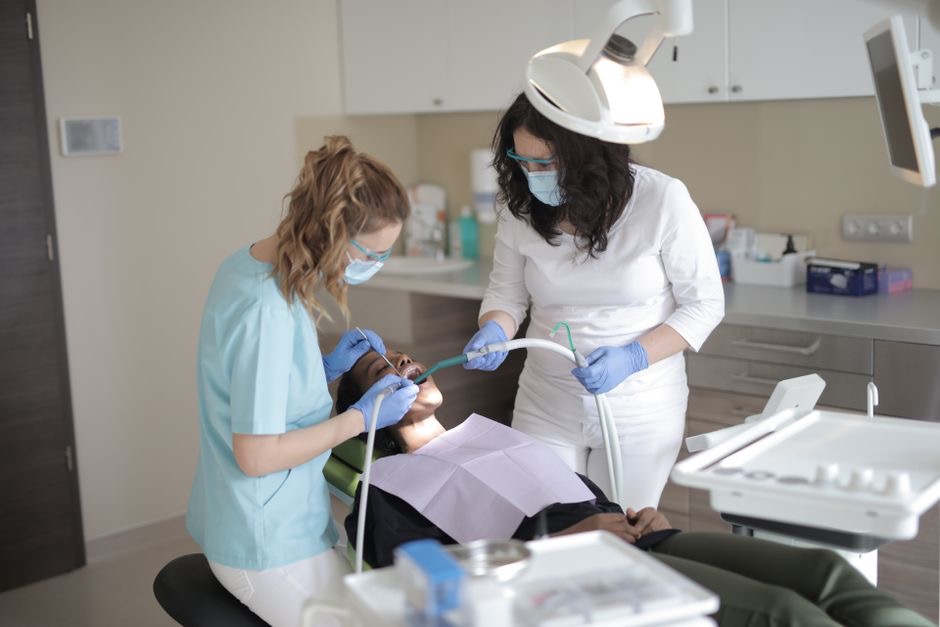
When you book a dental check-up, you’re usually paying for more than a quick look at your teeth. A standard visit often includes an oral exam, a discussion of symptoms or concerns, and a review of your dental history. In many cases, your dentist may also recommend X-rays, gum measurements, or an oral cancer screening.
That matters because “check-up” can mean slightly different things from one clinic to another. One office may bundle several services together, while another bills them separately. If you’ve ever felt like dental invoices have their own secret dialect, you’re not alone.
Before you book, ask exactly what is included in the appointment fee. You’ll get a clearer picture of the total cost and avoid surprises when the front desk prints your receipt.
The Biggest Cost Factors You Should Ask About
If you want a realistic estimate, there are a few specific questions worth asking before your appointment. Start with X-rays. They’re commonly recommended, but they’re not always included in the basic exam fee. A new patient exam may also cost more than a regular recall visit.
Here are the main cost factors to clarify:
– Whether the exam fee includes X-rays
– If you’re being booked as a new patient or returning patient
– Whether a cleaning is included or scheduled separately
– If gum assessment or periodontal charting will be billed separately
– Whether your insurance will cover part of the visit
A cleaning is a big one. Plenty of people assume a check-up and cleaning are a package deal. Sometimes they are. Sometimes they absolutely are not. Asking upfront saves you from awkwardly blinking at a larger-than-expected bill.
How Dental Insurance Changes What You Pay
Insurance can make the cost feel much more manageable, but it doesn’t automatically make every visit cheap. Most dental plans cover preventive care at a decent rate, often including exams, cleanings, and some X-rays. The catch sits in the details: frequency limits, annual maximums, and plan-specific fee caps.
For example, your plan may cover one complete exam every few years and routine check-ups only at set intervals. If you go earlier than your plan allows, part of the cost may land on you. Some insurers also reimburse based on an older fee guide, which can leave a gap between what the clinic charges and what your plan pays.
If you have coverage, ask your clinic to submit a predetermination or estimate. If you don’t, request a written breakdown before treatment. You’ll make decisions with facts instead of hopeful guesswork.
What to Expect if You Don’t Have Insurance
Paying out of pocket can feel stressful, but you still have options. Many dental clinics in Ontario are used to helping uninsured patients plan visits in a practical way. The key is transparency. Tell the clinic you’re paying yourself and ask for a full estimate before anything is scheduled.
Some offices may offer payment plans for larger treatment needs, though routine check-ups are often paid at the time of service. You can also ask whether the clinic offers staged care. That means handling the most urgent needs first and spacing out less urgent services over time.
If your budget is tight, focus on prevention rather than waiting for pain to force the issue. A regular exam costs far less than emergency treatment, fillings that turn into crowns, or a tooth problem that escalates over a long weekend. Teeth have impeccable timing when they want to cause chaos.
Smart Ways to Compare Clinics Without Cutting Corners
It’s reasonable to compare prices, but the cheapest appointment isn’t always the best value. A lower exam fee may not include X-rays, cleaning, or a thorough assessment. A slightly higher fee may cover more services and save you money overall.
When comparing clinics, look at:
– What services are included in the quoted price
– Whether the clinic follows the Ontario fee guide
– The experience of the dentist and hygiene team
– Patient reviews about billing clarity and communication
– Appointment availability for follow-ups if treatment is needed
Try calling two or three offices and asking the same questions. That gives you a fair comparison. Focus on clarity, not just the headline number. Dental care is one of those areas where “basic” can mean either efficient or incomplete, and those are very different experiences.
How Often You Should Go and Why It Matters Financially
The timing of your visits has a direct effect on cost. If you go regularly, your dentist can catch small issues before they become expensive ones. A bit of plaque buildup and an early cavity are much easier to manage than advanced decay, gum disease, or a cracked tooth that needs major repair.
Not everyone needs the exact same schedule. Some people do well with check-ups every six months, while others may be told to come more or less often depending on gum health, decay risk, braces, medical conditions, or smoking history.
The financial side is pretty straightforward. Preventive care tends to be predictable. Restorative care tends to be a plot twist. If you want lower long-term dental costs, regular visits usually help you stay ahead of problems rather than paying premium prices for damage control.
Discover more from The Cameron Journal
Subscribe to get the latest posts sent to your email.




