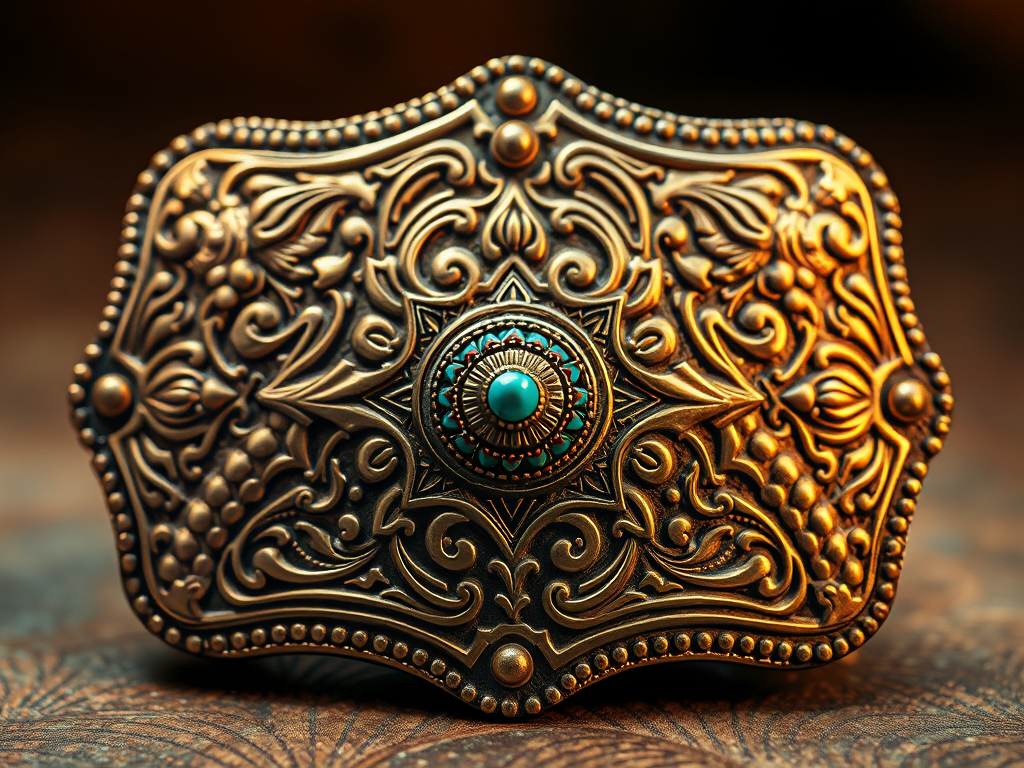
Key Takeaways:
- Decorative belt buckles have evolved from functional items to significant fashion statements.
- They hold cultural and symbolic meanings across various societies and eras.
- Modern designs blend traditional craftsmanship with contemporary aesthetics.
Ancient Origins of Belt Buckles
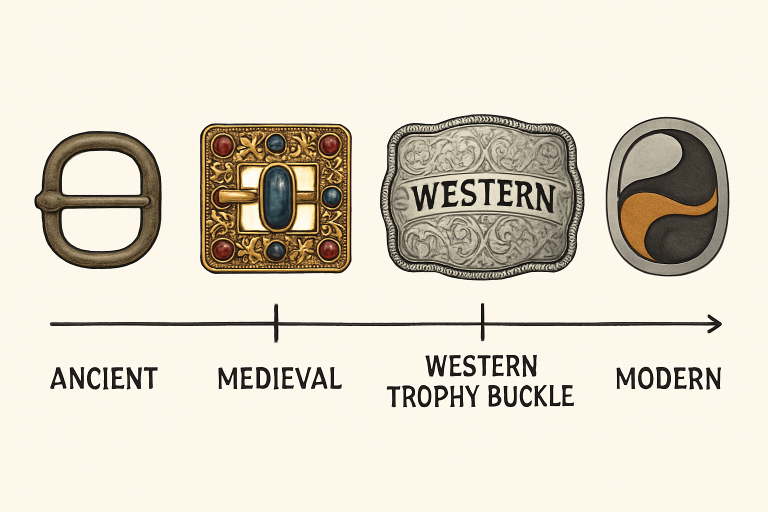
Throughout human history, belt buckles have been essential components of attire, serving both practical and decorative functions. In the earliest civilizations, including those of ancient China, Greece, and Rome, belt buckles held garments securely in place while allowing ease of movement during daily activities and in battle. Most of these early buckles were made from simple yet durable materials such as bronze or iron, catering primarily to soldiers and laborers who needed reliable fastening mechanisms.
Over time, design and purpose began to diversify, particularly as new techniques and materials became available. The earliest decorative examples featured basic engravings and modest embellishments, setting the stage for future artistic expression in buckle design. Today, individuals interested in exploring the wide range of styles and uses can discover custom belt buckles that blend ancient inspiration with contemporary trends.
Medieval Symbolism and Craftsmanship
The medieval era marked a significant turning point in the evolution of belt buckles. These accessories began to serve not only a utilitarian purpose but also to act as clear symbols of wealth, power, and allegiance. Nobility and royalty chose buckles crafted from precious metals, encrusted with gems or adorned with detailed enamel work, signifying social standing and political loyalty. For many, the buckle was a visual extension of identity, exhibiting intricate family crests, heraldic motifs, or the insignia of various chivalric orders.
The rise of skilled guilds across medieval Europe led to significant advancements in the quality and artistry of buckle craftsmanship. Artisans pushed the boundaries of design by incorporating highly detailed patterns, vibrant colors, and innovative fastening mechanisms. Museums with significant historical collections, such as the British Museum, continue to showcase exceptional medieval buckles as prime examples of decorative metalwork.
Western Influence and the Rise of the Trophy Buckle
The American West ushered in a new era of belt buckle design, blending traditional utility with bold Western motifs. Cowboys, ranchers, and rodeo professionals adopted oversized, intricately engraved buckles that referenced the rugged landscapes, wildlife, and iconic scenes of frontier life. What began as practical riding gear soon became a symbol of Western identity and pride.
By the early 20th century, trophy buckles had emerged as prestigious awards in rodeo competitions, replacing traditional trophies and medals. These highly ornate buckles were inscribed with event details and adorned with silverwork, filigree, and personalized touches, celebrating individual skill and achievement. The tradition of awarding trophy buckles continues today, and collectible pieces from rodeo history are highly sought after by enthusiasts.
Art Nouveau and Decorative Revival
The Art Nouveau movement emerged in the late 19th and early 20th centuries, championing artistic experimentation and nature-inspired decoration in wearable objects, including belt buckles. Known for their sinuous curves and organic motifs, Art Nouveau buckles turned everyday accessories into miniature works of art. Popular designs often featured botanical flourishes, flowing lines, and elegant color palettes achieved through enamel or inlays.
This era was critical in reestablishing the belt buckle as a platform for creativity and self-expression. Artifacts from this period, preserved in museums and private collections, are celebrated for both their technical sophistication and painterly artistry. The influence of Art Nouveau is still evident in some modern creations, as designers channel its legacy to appeal to collectors and fashion lovers alike.
Modern Fashion and Personal Expression
In contemporary fashion, belt buckles have become widely recognized as emblems of personal identity and creative style. From minimalist geometric shapes to bold, statement pieces, modern designers continually reimagine buckles using glass, acrylic, ceramics, and unexpected combinations of traditional and synthetic materials. High fashion houses, streetwear brands, and independent artisans all contribute to an increasingly diverse range of belt buckle options that appeal to global audiences.
The popularity of customization in fashion has led to a resurgence in personalized belt buckles. Whether used to create branded accessories or to commemorate individual milestones, customization supports modern self-expression and allows wearers to display affiliations, achievements, and unique aesthetic sensibilities.
The Collector’s Market and Investment Value
The collector’s market for decorative belt buckles has expanded significantly, with rare and antique pieces fetching high prices at auctions and specialty shops. Collectors prize buckles based on criteria such as craftsmanship, provenance, designer, and connection to historical events or figures. The market is versatile, including everything from cowboy trophy buckles and Art Nouveau masterpieces to mid-century and pop culture designs.
Belt buckles are increasingly recognized as both valuable investments and as tangible links to important periods in culture and fashion. Educating oneself on hallmark makers, historical trends, and material authenticity can aid both novice and experienced collectors in making wise acquisitions.
Craftsmanship and Materials in Contemporary Designs
Today’s belt buckle designers combine traditional handcrafting methods with cutting-edge technologies. Materials such as sterling silver, gold, stainless steel, brass, and innovative alternatives like fossilized bone or carbon fiber promote both durability and artistic flair. Artisans experiment with casting, engraving, laser cutting, and hand-finishing techniques to achieve striking visual and tactile effects.
The continued blending of past and present, whether in material choices or design inspiration, ensures the belt buckle’s ongoing relevance in fashion and accessory design. Contemporary pieces often straddle the line between art and adornment, attracting admiration from collectors and everyday wearers alike.
Conclusion
From their origins thousands of years ago to their current role as symbols of culture, style, and personality, decorative belt buckles have long transcended pure functionality. Their importance in fashion, craftsmanship, and collecting circles is secured by their rich heritage and the innovative spirit continuously infused into new designs. As wearable art and statements of self, they affirm that even the simplest accessory can make a lasting impact.
Discover more from The Cameron Journal
Subscribe to get the latest posts sent to your email.