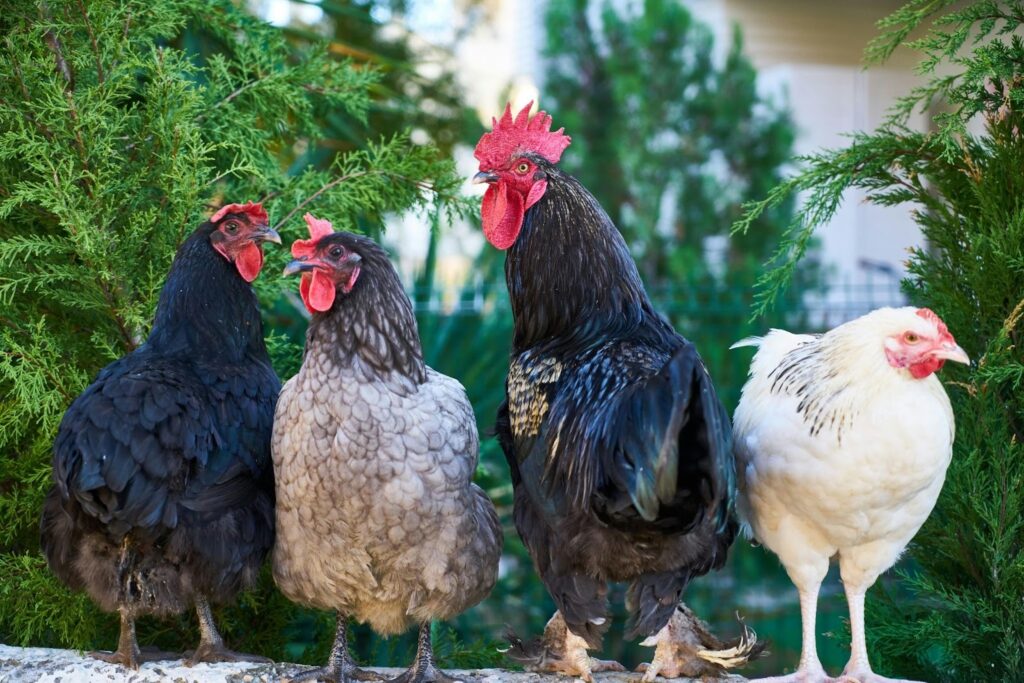
Whether you have beloved household pets or have livestock on a small holding, looking after animals is both a joy and a big responsibility. Good animal care isn’t about expensive products or perfection; it is more about observation, learning, consistency, and understanding the needs of each species. To help you on your journey, here are some practical top tips to help animals under your care live a healthier, calmer, and happier life.
Understand the specific needs of your animals
Just like humans, no two animals are the same. Cats, dogs, chickens, rabbits, goats, and more all have different social, dietary, and environmental requirements. Even within the same species, breed, age, and temperament, there are differences so it is important that you find out what these are and avoid treating each animal the same.
Take some time to learn what is normal for each animal that you have. What should they eat? How much should they eat? When are they most active? What should their skin, coat or feathers look like? When you know the baseline, it becomes much easier to spot early signs of stress or illness and act before small problems become serious.
Provide clean water and proper nutrition
Clean, fresh water should always be available to your animals. This is especially important if your animals are outside or you have a small holding, as dirty or frozen water can easily cause poor health, and weather conditions can have an effect, such as freezing conditions or hot weather.
Nutrition is one of the most important things to know about having animals. Any animal needs a balanced diet to suit their life stage and species, and they will rely on you to provide it. Avoid the temptation to give them scraps or treats too often, especially with domestic pets like cats and dogs. Find a trusted animal feed shop to source good food from.
Create a safe and comfortable living environment
For household pets, there should be a calm space where your pets can spend time in. If you have small holding animals, there needs to be sturdy housing with good ventilation, enough room to move around, and dry bedding. The shelter needs to be able to protect your animals from predators, stress, and extreme weather conditions. Parasites and infections can easily occur if a build up of waste happens, so make sure you clean living spaces regularly.
Regular health checks
Emergency treatment and health conditions are the last thing that any animal owner wants. That is why regular health checks are vital, and far easier and cheaper. Make sure you keep things like parasite control, worming and vaccinations up to date. Get into the habit of handling your animals on a regular basis; this will enable you to learn what is normal and identify anything that is new and concerning early on. You will also need to be able to identify if they get pregnant, as care requirements and your commitments will change.
Looking after animals is a big, long-term commitment. It can be deeply rewarding, but it is vital that you know how to best take care of them first.
Discover more from The Cameron Journal
Subscribe to get the latest posts sent to your email.