
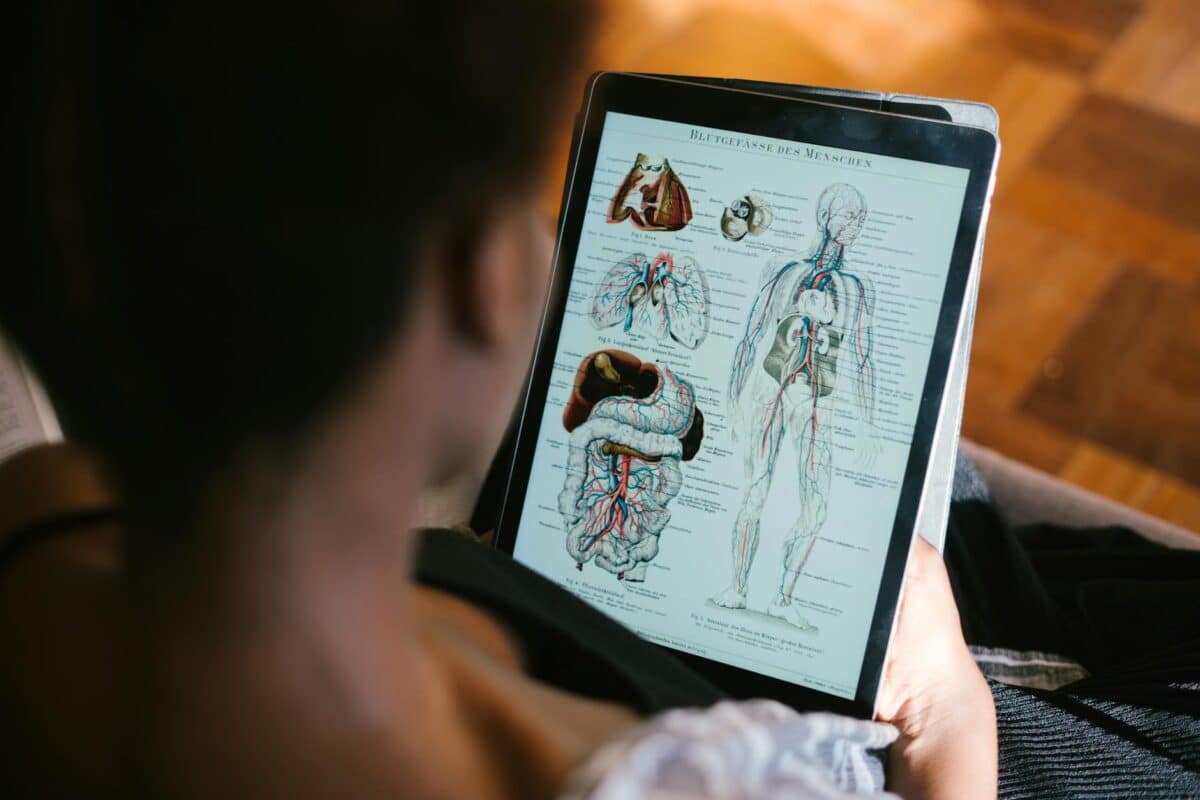
If you’ve ever been curious about how the human body works, then an online anatomy course might be the perfect fit for you. Whether you’re a complete novice or looking to deepen your knowledge, studying anatomy online offers a flexible and engaging way to explore the body’s intricate systems. The best part? You can go from knowing nothing to becoming quite the expert, all from the comfort of your home.
Why Study Anatomy?
Let’s start with the big question: why should you take an anatomy course, like this online anatomy and physiology course, in the first place? Understanding anatomy isn’t just for doctors and nurses. Whether you’re a fitness enthusiast, a yoga instructor, or someone interested in holistic health, knowing how the body functions can completely transform how you approach your own well-being or work with others. You’ll be able to:
- Identify muscles and bones – Essential for anyone involved in physical training, understanding the major muscles and bones gives you the foundation to perform and instruct exercises more effectively.
- Understand body systems – From the circulatory system to the nervous system, knowing how these systems work together can help you make better decisions about your health.
- Speak the language of health professionals – Ever been confused at the doctor’s office when they throw medical jargon your way? Anatomy courses will give you the language skills to follow along and ask the right questions.
The Basics: Starting with the Foundation
When you first dive into an online anatomy course, you’ll begin with the basics. Don’t worry—there’s no need to have any prior knowledge. Courses often start with an introduction to the major systems of the body. Think of this as your roadmap to understanding everything else.
Here’s what you’ll typically learn in the early stages:
- Terminology
You’ll learn the vocabulary used to describe the body. This isn’t just memorizing fancy words—it’s about understanding where and what things are in relation to each other.
- Basic structure
The human body is often broken down into major regions—head, torso, limbs—and you’ll learn how these areas connect.
- Cells and tissues
All anatomy begins at the microscopic level. You’ll explore the building blocks of the body, such as cells and tissues, before zooming out to organs and systems.
Building Expertise: Digging into the Details
As you progress, things get more specific. By this stage, you’ll move from broad overviews to a more detailed understanding of different body parts and systems. This is where things really start to get interesting. Here’s a breakdown of what you might encounter:
1. Musculoskeletal System
Muscles, bones, and joints. You’ll get a deep dive into how these elements work together to allow movement.This is essential if you’re into fitness, rehabilitation, or any form of bodywork. Imagine learning exactly how your muscles contract when lifting weights or how your joints allow a perfect yoga pose.
2. Nervous System
Ever wonder how your body knows to react to a hot stove or why you can wiggle your fingers without thinking?The nervous system is the body’s command center. You’ll explore the brain, spinal cord, and nerves and learn how they control everything from movement to sensory perception.
3. Cardiovascular System
This is the heart and blood vessels in action. By understanding the cardiovascular system, you’ll grasp how oxygen gets from your lungs to your muscles and how your heart powers everything you do. This knowledge is incredibly valuable, especially if you’re interested in endurance sports, health, or even managing stress.
4. Digestive and Respiratory Systems
Ever wondered how your body turns a slice of pizza into energy? Or how your lungs filter the air you breathe?These systems are all about keeping you fueled and energized, and an anatomy course will give you the inside scoop on how it all happens.
Going Beyond the Books: Practical Applications
Studying anatomy isn’t just about memorizing facts. The real value comes from understanding how to apply this knowledge in real-life situations.
Let’s say you’re a personal trainer. Knowing the muscles used in each exercise allows you to design workouts that are more targeted and effective. If you’re in healthcare, your anatomy knowledge helps you identify issues faster and explain them better to patients. And if you’re just someone who wants to stay healthy, knowing what’s going on inside your body can lead to smarter choices about diet, exercise, and overall wellness.
An online course will often include quizzes, interactive models, and even virtual dissections to help solidify what you’ve learned. These tools make the learning process far more engaging than just reading from a textbook.
Challenges and Rewards
Let’s be real for a second—anatomy can be challenging. There’s a lot to take in, and it’s easy to feel overwhelmed at times. The good news? Sticking with it is incredibly rewarding.
Here’s what you’ll gain:
- A strong foundation in human biology – You’ll be able to understand how the body works as a whole.
- Confidence – Whether in the gym, at the doctor’s office, or just in your day-to-day life, you’ll feel more empowered with your knowledge.
- Career advancement – For those in health-related fields, having a solid grasp of anatomy can open up new opportunities and deepen your expertise.
Wrapping it Up
So, can an online anatomy course take you from a novice to an expert? Absolutely. It’s a journey worth taking, whether you’re curious about your own body, looking to enhance your career, or just love learning new things. You’ll walk away with a greater understanding of how the body works, and that’s knowledge that will benefit you for a lifetime.
Discover more from The Cameron Journal
Subscribe to get the latest posts sent to your email.




