Table of contents
The Core Pillars of Property Maintenance and Restoration
Effective property management hinges on a robust framework of maintenance and restoration practices. These aren’t merely about fixing things when they break; they are about safeguarding investments, ensuring safety, and enhancing the overall quality of life for occupants. From routine upkeep to emergency interventions and comprehensive structural repairs, a well-rounded approach covers all aspects of a property’s lifecycle.
When unexpected disasters strike, such as water damage, fire, or severe storms, specialized expertise is required to bring a property back to its pre-loss condition. Companies offering ZBM restoration services play a critical role in these situations, providing the necessary skills and equipment for rapid recovery. Their services encompass everything from initial assessment and mitigation to complete reconstruction.
The core pillars of property maintenance and restoration include routine care, proactive preventive measures, efficient emergency response, and detailed structural restoration. Beyond the physical aspects, professional maintenance significantly contributes to tenant satisfaction, preserves and increases property value, and ensures strict adherence to regulatory code compliance. Engaging licensed and insured technicians is paramount to guaranteeing high-quality workmanship and protecting your investment. For those seeking comprehensive solutions after a disaster, finding an expert property restoration provider is essential.
Defining Routine vs. Reactive Care
Understanding the distinction between routine and reactive care is fundamental to effective property management.
Routine Maintenance refers to the regular, scheduled tasks performed to keep a property in good working order and prevent minor issues from escalating. This includes daily or weekly janitorial services, periodic safety checks of common areas, and regular building walkthroughs to identify potential problems early. Examples often involve replacing HVAC filters, lubricating moving parts in systems, or cleaning gutters. This proactive approach aims to maintain optimal conditions and extend the lifespan of property components.
Reactive (Emergency) Maintenance, conversely, addresses issues that arise unexpectedly and require immediate attention. These are typically unforeseen breakdowns or damages that could compromise safety, functionality, or habitability. Common scenarios include burst pipes causing extensive water damage, electrical failures, or structural damage following severe weather events like fires or storms. While some reactive maintenance is unavoidable, a strong emphasis on routine and preventive care can significantly reduce its frequency and severity. When significant damage occurs, specialized recovery services, such as those offered by ZBM restoration services, become indispensable for addressing complex issues like water extraction, mold remediation, or structural repairs after a fire.
Code Compliance and Safety Standards
Maintaining a property goes beyond aesthetics and functionality; it’s also about ensuring safety and adhering to a complex web of regulations. Code compliance and safety standards are non-negotiable aspects of property maintenance that protect occupants, prevent legal liabilities, and preserve asset value.
Property owners and managers must navigate various requirements, including municipal ordinances that dictate everything from building structural integrity to waste disposal. For rental properties, federal guidelines like HUD standards and requirements from entities such as Fannie Mae often come into play, influencing everything from housing quality to financial reporting.
Key areas of focus for compliance include:
- Fire Safety: Ensuring all fire suppression systems, alarms, and emergency exits are operational and up to code.
- Structural Integrity: Regularly inspecting foundations, roofs, walls, and other load-bearing elements to prevent collapse or deterioration.
- Accessibility: Meeting ADA (Americans with Disabilities Act) requirements for ramps, doorways, and common areas in commercial and multi-family residential properties.
- Permit Acquisition: Obtaining necessary permits for renovations, repairs, or new constructions to ensure all work meets local building codes.
- Quality Control Processes: Implementing rigorous checks throughout all maintenance and restoration projects to guarantee work is performed correctly and safely.
Failing to meet these standards can result in hefty fines, legal action, insurance complications, and, most importantly, put occupants at risk. Professional property maintenance services are often well-versed in these regulations, helping owners stay compliant and avoid costly penalties.
Preventive Strategies for Asset Protection
Proactive maintenance is the cornerstone of preserving property value and avoiding costly emergency repairs. By anticipating potential issues and addressing them before they escalate, property owners can significantly extend the lifespan of their assets, improve operational efficiency, and ensure tenant satisfaction. This approach covers a wide range of components, from critical infrastructure to everyday systems.
For instance, regular maintenance of essential access points like garage doors is vital. To understand the importance of this, consider Why Regular Garage Door Maintenance is Crucial for Home Security. Similarly, the financial benefits of consistent care are substantial, as detailed in Long-Term Savings Through Regular Garage Door Maintenance. Beyond garage doors, preventive measures for HVAC systems, plumbing, and electrical components are equally important. This includes routine HVAC filter replacement, regular plumbing inspections to detect leaks, and periodic electrical system testing to ensure safety and efficiency. Furthermore, maintaining proper roof drainage prevents water damage, a common and expensive issue. Engaging a specialist for your garage door needs, such as for Door Serv Pro garage door repairs, ensures these critical components function reliably. Investing in professional garage door maintenance is a smart decision for any property owner.
Why Regular Garage Door Maintenance is Crucial
Garage doors are often overlooked components of a property, yet their functionality is critical for security, convenience, and energy efficiency. Neglecting them can lead to significant issues, from security breaches to expensive repairs. Regular maintenance is not just about fixing problems; it’s about preventing them.
Routine checks and adjustments ensure that all components of the garage door system are working in harmony. This includes inspecting the spring tension, which is vital for balancing the door’s weight, and examining cable integrity to prevent dangerous snapping. Proper roller lubrication ensures smooth and quiet operation, reducing wear and tear on other parts. Furthermore, correctly aligned safety sensors are crucial for preventing accidents and ensuring the door reverses when an obstruction is detected.
Beyond preventing breakdowns, consistent garage door care significantly enhances property security. A well-maintained door is less likely to be forced open or malfunction, providing a reliable barrier against unauthorized access. For a deeper dive into how consistent servicing can prolong the life of this essential property feature, consult How Garage Door Services Can Extend the Lifespan of Your Door. Investing in professional services, including specialized Door Serv Pro garage door repairs, ensures that these complex systems remain in optimal condition, contributing to the overall safety and value of your property.
HVAC and Utility System Oversight
The efficient operation of HVAC (Heating, Ventilation, and Air Conditioning) and other utility systems is paramount for occupant comfort, energy management, and the overall health of a property. Proactive oversight of these systems can prevent costly breakdowns, extend their lifespan, and ensure a consistent, comfortable environment.
Seasonal Servicing is a critical component of HVAC maintenance. This involves annual check-ups before the heating and cooling seasons begin to ensure units are running efficiently and safely. Technicians inspect and clean components, check refrigerant levels, and identify any worn parts that could lead to future failures. This not only optimizes energy efficiency but also helps maintain indoor air quality.
Leak Detection is another vital aspect of utility system oversight, particularly for plumbing and boiler systems. Regular inspections can identify small leaks before they cause significant water damage, mold growth, or structural issues. For properties with boilers and radiant heat systems, specialized boiler maintenance ensures safe and efficient operation, preventing carbon monoxide leaks and maximizing heat distribution.
Appliance Longevity is also directly impacted by regular checks and maintenance. From water heaters to major kitchen appliances, routine servicing can extend their operational life, reducing the need for premature replacements. Consistent attention to HVAC and utility systems ensures maximum operational uptime, minimizing disruptions for residents or tenants and protecting the financial stability of the property.
Specialized Exterior Upkeep and Curb Appeal
The exterior of a property is its first impression, significantly influencing curb appeal, tenant retention, and overall market value. Beyond aesthetics, a well-maintained exterior protects the structural integrity of the building from environmental elements. Specialized upkeep of various exterior components is essential for both visual appeal and long-term durability.
This includes regular landscaping to maintain attractive grounds, timely siding repair to prevent moisture intrusion, and professional window cleaning for clarity and brightness. Pressure washing can revitalize exterior surfaces, removing dirt, grime, and mildew, while consistent gutter maintenance ensures proper drainage and prevents water damage to foundations and roofs. Furthermore, strategic enhancements like awnings can offer both aesthetic and practical benefits. For example, Awnings as a Sustainable Design Element: Eco-Friendly Benefits highlights their environmental advantages, and Energy Efficiency and Cost Savings: How Awnings Can Help explains their economic impact.
Asphalt and Pavement Management
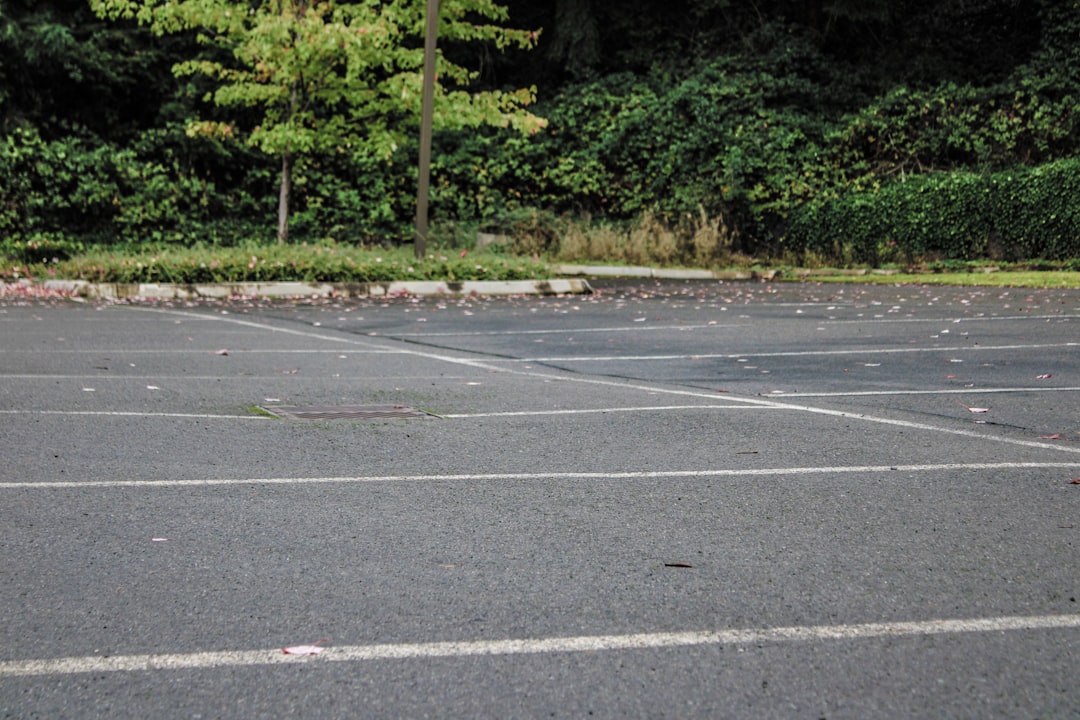
For commercial properties, the condition of asphalt surfaces—such as parking lots, driveways, and walkways—is crucial for safety, accessibility, and curb appeal. Diligent asphalt and pavement management not only enhances the property’s image but also prevents liabilities and costly major repairs.
Pothole repair and crack filling are immediate priorities to prevent vehicle damage, tripping hazards, and further deterioration caused by water penetration. Once repairs are made, sealcoating provides a protective layer that extends the life of the asphalt by shielding it from UV rays, water, and chemicals. This process also restores the pavement’s rich black color, significantly improving its appearance.
Parking lot striping is essential for safety and efficient traffic flow. Clearly marked parking spaces, directional arrows, and accessibility symbols guide drivers and pedestrians, reducing confusion and the risk of accidents. For superior durability and visibility, thermoplastic markings and preformed thermoplastic are often utilized. These materials, applied with heat, create a long-lasting bond with the pavement and offer high reflectivity, especially important for public projects and high-traffic areas. They are a durable alternative to traditional paint, ensuring markings remain clear and vibrant for extended periods, optimizing both functionality and aesthetic appeal.
Sustainable Design with Awnings
Awnings are more than just decorative additions; they are a practical element of sustainable design that can significantly enhance a property’s energy efficiency and aesthetic appeal. Their strategic placement can contribute to a greener building footprint and long-term cost savings.
One of the primary benefits of awnings is their ability to reduce solar heat gain. By shading windows and exterior walls, especially during peak sunlight hours, awnings can significantly lower indoor temperatures. This reduces the workload on air conditioning systems, leading to substantial energy savings and a smaller carbon footprint. Beyond cooling, awnings also offer excellent UV protection, safeguarding interior furnishings, flooring, and artwork from sun-induced fading and damage.
From an aesthetic perspective, awnings contribute to the exterior’s visual appeal, adding architectural interest and a touch of elegance. They can be chosen in various styles and colors to complement the property’s design, making them a versatile option for enhancing curb appeal. As highlighted in Awnings as a Sustainable Design Element: Eco-Friendly Benefits, they are a prime example of how thoughtful design choices can integrate eco-friendly benefits with practical property improvements. This makes them a smart investment for owners looking for energy-efficient upgrades and seeking to incorporate eco-friendly building materials into their property management strategy.
Integrating Technology in Modern Upkeep
The landscape of property maintenance and restoration is rapidly evolving, driven by advancements in technology. Integrating digital tools and smart systems allows property owners and managers to move beyond reactive fixes towards proactive, data-driven strategies. Technologies like digital twins, IoT sensors, and predictive analytics are revolutionizing how properties are managed, maintained, and restored. These innovations enable remote monitoring, efficient asset tracking, and precise equipment lifecycle management, leading to greater efficiency and cost savings. Even specific components, like garage doors, benefit immensely from these advancements, making professional garage door maintenance more sophisticated and effective.
Optimizing Property Maintenance and Restoration with IoT
The Internet of Things (IoT) is transforming property maintenance by enabling real-time monitoring and proactive intervention. IoT sensors, embedded within various property systems, provide a constant stream of data that can detect anomalies and prevent potential failures before they occur.
These sensors act as early warning systems, alerting property managers to issues that might otherwise go unnoticed until they become critical. For instance, leak sensors can detect even small amounts of moisture in basements, near pipes, or under appliances, triggering immediate alerts that prevent extensive water damage and mold growth. Similarly, HVAC temperature variance sensors can identify inefficiencies or potential malfunctions in heating and cooling systems, allowing for timely repairs that avoid costly breakdowns and maintain occupant comfort.
The data collected by these sensors provides real-time data collection on system performance, energy consumption, and environmental conditions. This information can then be analyzed to identify trends, optimize operational settings, and schedule maintenance more effectively. Furthermore, IoT systems can facilitate automated work orders, automatically dispatching technicians when specific thresholds are met or issues are detected. This integration of smart building technology streamlines maintenance processes, reduces response times, and significantly enhances the overall efficiency and responsiveness of property management.
Digital Twins and Predictive Analytics
The concepts of digital twins and predictive analytics are at the forefront of modern property management, offering unprecedented levels of insight and efficiency. These advanced technologies provide a comprehensive, data-driven approach to maintaining and restoring properties.
A digital twin is a virtual replica of a physical property, created using 3D modeling and real-time data. This virtual model allows property managers to visualize and interact with every aspect of their building, from structural components to intricate utility systems. It facilitates remote contractor collaboration, enabling teams to plan repairs, assess damage, and monitor progress without needing to be physically on-site. This comprehensive overview aids in maintenance standardization by providing a consistent reference point for all operations and ensures centralized documentation for all property information.
Predictive analytics, on the other hand, utilizes historical data and advanced algorithms to forecast potential equipment failures and maintenance needs. By analyzing patterns in performance data, these systems can accurately predict when a component is likely to fail, enabling proactive repairs rather than reactive ones. This capability supports failure forecasting, allowing property managers to schedule maintenance during off-peak hours, order parts in advance, and minimize downtime. The combination of digital twins and predictive analytics empowers data-driven decision making, optimizing resource allocation, reducing operational costs, and significantly extending the lifespan of property assets.
Seasonal Checklists for Comprehensive Care
Property maintenance is not a static endeavor; it’s a dynamic process that must adapt to changing environmental conditions throughout the year. Implementing seasonal maintenance checklists ensures that properties are adequately prepared for the unique challenges each season brings, preventing damage and maintaining optimal functionality. This proactive approach is particularly crucial for regional climate adaptation, as maintenance needs can vary significantly between different geographic areas. For instance, properties in arid regions require different considerations than those in coastal zones, and Midwest winterization demands specific preparations to combat freezing temperatures and heavy snowfall. Beyond structural integrity, well-executed seasonal maintenance also plays a key role in tenant retention strategies, as comfortable and safe living conditions are highly valued.
Spring and Summer Property Maintenance and Restoration Tasks
As the weather warms and days lengthen, spring and summer bring a unique set of maintenance tasks crucial for keeping properties in top condition and preventing issues down the line. These seasons are ideal for addressing exterior concerns and preparing systems for warmer temperatures.
A thorough roof inspection is paramount in spring to identify any damage from winter storms, such as missing shingles, loose flashing, or clogged gutters. Addressing these issues promptly prevents leaks and costly water damage. With warmer weather, screen installation on windows and doors becomes necessary to keep insects out while allowing fresh air in.
Landscaping revitalization is a major focus during these seasons. This includes pruning trees and shrubs, planting new foliage, and ensuring irrigation systems are functioning correctly to maintain curb appeal. Exterior elements like siding and trim should be inspected for wear and tear, and exterior painting can be scheduled to protect surfaces and refresh the property’s appearance.
Finally, cooling system optimization is essential before summer’s heat sets in. This involves servicing air conditioning units, cleaning coils, and checking refrigerant levels to ensure efficient and effective cooling. Regular drainage clearing of gutters and downspouts is also important to handle spring rains and prevent water from pooling around the foundation. By tackling these tasks, property owners can ensure their properties are comfortable, attractive, and resilient throughout the warmer months.
Autumn and Winter Preparation
As temperatures drop and winter approaches, a distinct set of maintenance tasks becomes critical to protect properties from cold weather damage and ensure occupant safety and comfort. Proactive autumn and winter preparation can prevent burst pipes, heating system failures, and other costly issues.
One of the most important tasks is pipe insulation. Exposed pipes, especially in unheated areas like basements or crawl spaces, should be properly insulated to prevent freezing and bursting, which can lead to extensive water damage. Thorough gutter cleaning is also essential to remove leaves and debris, ensuring proper drainage and preventing ice dams from forming, which can damage roofs and facades.
Before the heating season begins in earnest, a comprehensive heating system check is vital. This involves professional servicing of furnaces, boilers, or heat pumps to ensure they are operating safely and efficiently. Filters should be replaced, and all components inspected for wear and tear. Snow removal planning should be in place, whether through professional services or clear guidelines for tenants, to ensure walkways and access points remain safe.
Checking and replacing weatherstripping around doors and windows helps seal drafts, improving energy efficiency and keeping utility costs down. For properties in areas prone to power outages, emergency generator testing ensures backup power is available when needed. By diligently completing these autumn and winter preparations, property owners can safeguard their investments against the harsh realities of cold weather.
Frequently Asked Questions
What is the difference between property maintenance and restoration?
Property maintenance refers to the ongoing, routine care and upkeep of a property to keep it in good condition, functional, and aesthetically pleasing. This includes tasks like cleaning, landscaping, regular inspections, and minor repairs (e.g., fixing a leaky faucet, replacing an HVAC filter). The goal of maintenance is to prevent problems, extend the lifespan of components, and preserve the property’s value over time.
Property restoration, on the other hand, involves bringing a property back to its pre-damage condition after a significant event, such as a fire, flood, storm, or other disaster. Restoration projects are typically more extensive than maintenance tasks and often involve specialized techniques, equipment, and structural repairs. The goal of restoration is to mitigate damage, repair structural and aesthetic elements, and restore habitability and safety. While maintenance is preventative and continuous, restoration is reactive and addresses major damage.
How often should professional property inspections occur?
The frequency of professional property inspections depends on several factors, including the type of property (residential, commercial, industrial), its age, location, climate, and usage. However, generally accepted best practices suggest:
- Annual Inspections: For most residential and commercial properties, a comprehensive annual inspection by a professional is recommended. This allows for a thorough check of major systems (HVAC, plumbing, electrical), structural integrity, roofing, and exterior components.
- Seasonal Inspections: In addition to annual checks, conducting less formal seasonal inspections (e.g., before winter and after spring) can help address climate-specific concerns like gutter cleaning, pipe insulation, or cooling system checks.
- Move-in/Move-out Inspections: For rental properties, detailed inspections before a new tenant moves in and after an old tenant moves out are crucial for documenting property condition and identifying necessary repairs or cleaning.
- Post-Disaster Inspections: Following any significant event like a severe storm, flood, or fire, an immediate professional inspection is essential to assess damage and ensure safety.
Regular inspections are a cornerstone of preventive maintenance, helping to identify minor issues before they become major, costly problems.
What are the primary benefits of a preventive maintenance approach?
A preventive maintenance approach offers numerous significant benefits for property owners and managers:
- Cost Savings: By addressing minor issues early and performing regular upkeep, preventive maintenance avoids expensive emergency repairs and premature replacement of systems or components. It also optimizes energy efficiency, leading to lower utility bills.
- Extended Asset Lifespan: Regular servicing and care extend the operational life of HVAC systems, appliances, roofing, and other property elements, maximizing your investment.
- Enhanced Safety: Proactive checks identify and mitigate potential hazards, ensuring the property remains safe for occupants and visitors, and reducing liability risks.
- Increased Property Value: A well-maintained property retains its aesthetic appeal, functionality, and structural integrity, contributing to higher market value and curb appeal.
- Improved Tenant Satisfaction and Retention: A comfortable, safe, and well-functioning environment leads to happier tenants, reducing turnover and vacancy rates.
- Regulatory Compliance: Regular maintenance helps ensure the property meets all local, state, and federal codes and standards, avoiding fines and legal issues.
- Reduced Downtime/Disruption: Scheduled maintenance minimizes unexpected breakdowns, ensuring continuous operation for commercial properties and uninterrupted comfort for residential ones.
- Better Budgeting: Preventive maintenance allows for predictable budgeting of maintenance costs, as opposed to the unpredictable and often higher costs of reactive repairs.
A preventive approach transforms property management from a reactive headache into a strategic, cost-effective, and value-adding process.
Conclusion
Maintaining a property is a continuous journey that demands diligence, foresight, and often, professional expertise. From the foundational elements of routine care and preventive measures to the critical interventions of emergency response and structural restoration, every aspect contributes to the long-term asset value of your investment. Prioritizing safety and security for all occupants, enhancing curb appeal, and ensuring regulatory compliance are not just best practices—they are essential for a thriving property.
Embracing a proactive management philosophy, supported by professional expertise and innovative technologies, allows property owners and managers to anticipate challenges, optimize resources, and significantly extend the lifespan of their assets. Whether it’s ensuring the smooth operation of a garage door or undertaking a complete property restoration, the right approach makes all the difference.
For all your property access needs, including expert installation and reliable repairs, consider reaching out to Door Serv Pro. Explore our current Specials for great offers, browse our comprehensive Garage Door Brochures and Awning Brochures for design ideas, or discover solutions for Garage Storage Brochures. We also offer convenient Financing options to help make your property improvements a reality.
Discover more from The Cameron Journal
Subscribe to get the latest posts sent to your email.