
Table of Contents
- Use Drain Strainers
- Dispose of Grease Properly
- Regular Hot Water Flushes
- Natural Cleaning Solutions
- Be Mindful of What You Flush
- Schedule Professional Maintenance
- Educate Household Members
- Install Water Softeners
Clogged drains are a common household issue that can disrupt daily routines and lead to unpleasant odors, slow water flow, or even minor water damage if left unaddressed. From kitchen sinks burdened by grease buildup to bathroom drains collecting hair and soap residue, small habits often contribute to larger plumbing concerns over time. Understanding the typical causes of blockages is the first step toward prevention. Simple practices such as using drain strainers, avoiding disposing of food scraps down the sink, and regularly flushing pipes with hot water can significantly reduce the risk of buildup.
In addition to preventive habits, routine inspections and timely maintenance are important for keeping plumbing systems in good condition. When buildup becomes difficult to manage with basic home remedies, professional support, such as drain cleaning services in Indianapolis, may be considered to address more persistent issues. Taking a proactive approach helps maintain proper drainage and supports the long-term efficiency of a home’s plumbing system.
Use Drain Strainers
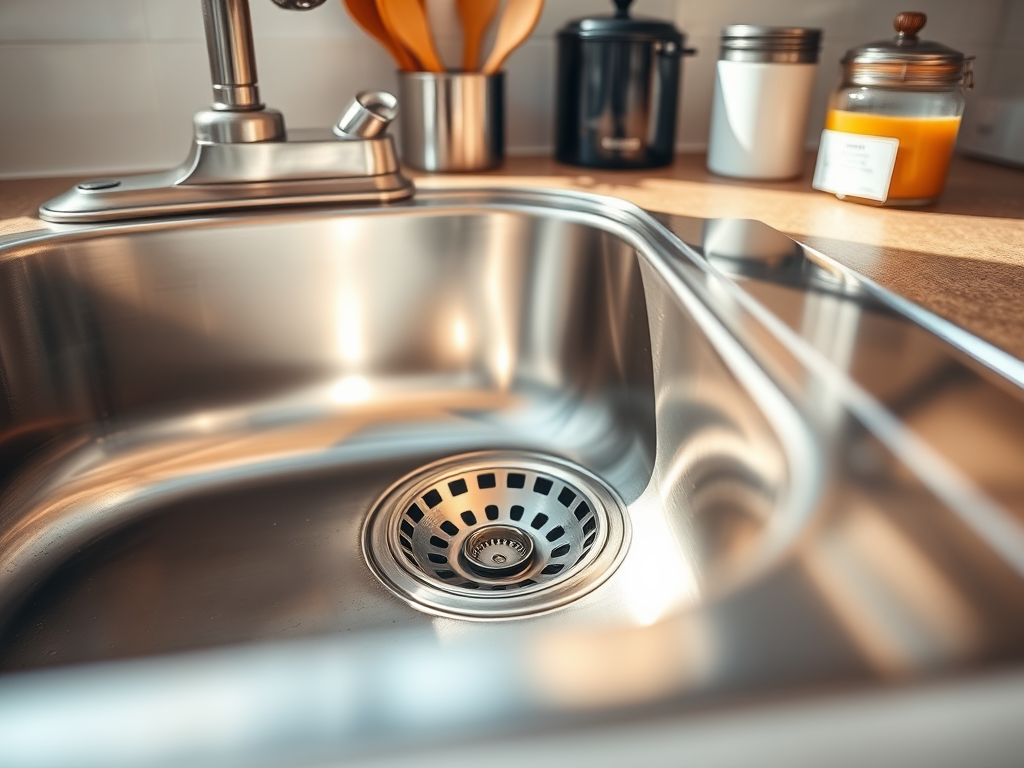
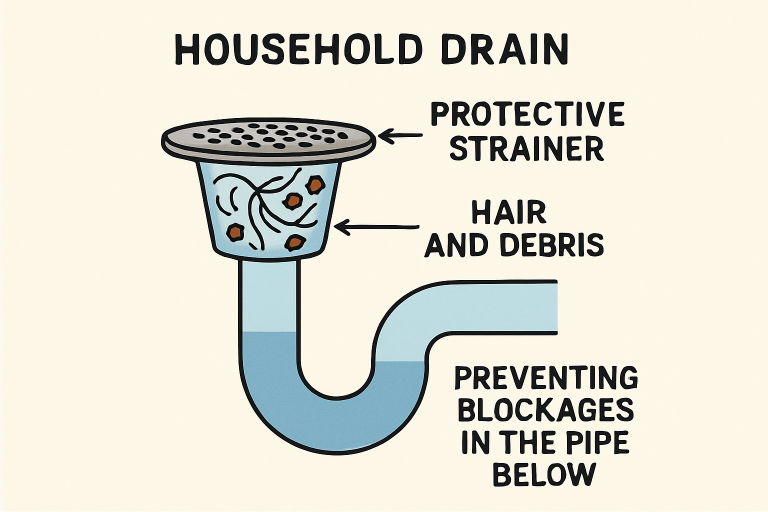
Drain strainers are one of the most cost-effective defenses against clogs in both kitchens and bathrooms. By covering your drains with mesh or perforated covers, you effectively trap hair, soap fragments, and food particles before they can travel into your pipes. Make sure to clean these strainers frequently to maintain their effectiveness, as buildup can slow water flow and encourage unpleasant smells.
Dispose of Grease Properly
One of the major causes of kitchen drain clogs is grease. When hot fat, oil, or grease is poured down the sink, it cools and hardens within the pipes, narrowing passageways and trapping food particles. Instead of draining grease, let it cool in a container and discard it in your trash. Wipe pots and pans with a paper towel before washing to minimize oil from them entering your drain. Consistent oil and fat management can greatly reduce the risk of kitchen sink blockages.
Regular Hot Water Flushes
Weekly hot-water flushes are an easy way to keep drains clear. Running very hot water through your sinks and showers helps dissolve soap scum and moves along small bits of organic debris. This practice is particularly effective for kitchen sinks, where fatty residues can accumulate even in small amounts and slowly build up. Regular maintenance can be the difference between a fresh-smelling kitchen and a costly call to a plumber due to a persistent clog.
Natural Cleaning Solutions
Instead of harsh chemical drain cleaners, consider natural alternatives. A mixture of baking soda followed by white vinegar can break down organic material and help prevent odors. Pour baking soda directly into the drain, then add vinegar; let it fizz for 15 to 30 minutes before flushing with hot water. This eco-friendly approach is gentle on your pipes and safe for septic systems. Regular use of this method can help prevent many common drain issues.
Be Mindful of What You Flush
The only things that should enter your toilet are human waste and toilet paper. Many products labeled as “flushable,” such as wipes, feminine hygiene products, and paper towels, do not break down efficiently in water and easily cause significant blockages. Even small items can accumulate over time, leading to major plumbing issues and expensive repairs. Always provide a trash can nearby for these non-flushable items to reinforce proper disposal habits within your household.
Schedule Professional Maintenance
Plumbers have specialized tools to remove tough or deep-seated clogs that cannot be cleared with home remedies. An annual or biannual professional inspection can catch developing issues before they escalate into full blockages. These services often include thorough cleaning and a visual inspection, ensuring that both minor and major problems are addressed promptly and efficiently.
Educate Household Members
Educating everyone in your household, including children, about what not to put down the drain is a practical way to prevent issues. Teach family members the importance of using strainers, properly disposing of trash, and what items must never be flushed. Clear signage in bathrooms and kitchens can also serve as helpful reminders and encourage responsible drain use.
Install Water Softeners
In areas with hard water, mineral buildup can gradually decrease the diameter of your pipes, making them more prone to clogs. Installing a water softener reduces the amount of calcium and magnesium that passes through your plumbing, thereby minimizing scale buildup and extending the lifespan of your pipes. A water softener is especially valuable for homes where lime scale is already an issue or if you notice frequent plumbing problems related to hard water.
Conclusion
Adopting these effective strategies will help keep your drains clear, reduce the need for emergency repairs, and save money on potential repairs. Doing so creates a more sanitary and comfortable home environment while ensuring your plumbing works efficiently year-round.
Discover more from The Cameron Journal
Subscribe to get the latest posts sent to your email.




