
Your walls do a lot more than hold up paint and family photos. They quietly take hits from chairs, kids, doorknobs, and the occasional mystery scuff that seems to appear overnight. Drywall damage often starts small, then turns into something much more annoying if you ignore it. The good news is that you don’t need to be a contractor to spot the early warning signs. Once you know what to watch for, you can save yourself time, money, and a whole lot of wall-related drama.
Signs to notice
Some drywall problems are loud and obvious. Others are sneaky little troublemakers. A small crack above a doorway, a dent from moving furniture, or a nail pop that looks like a tiny bump can all be early clues that your wall needs attention.
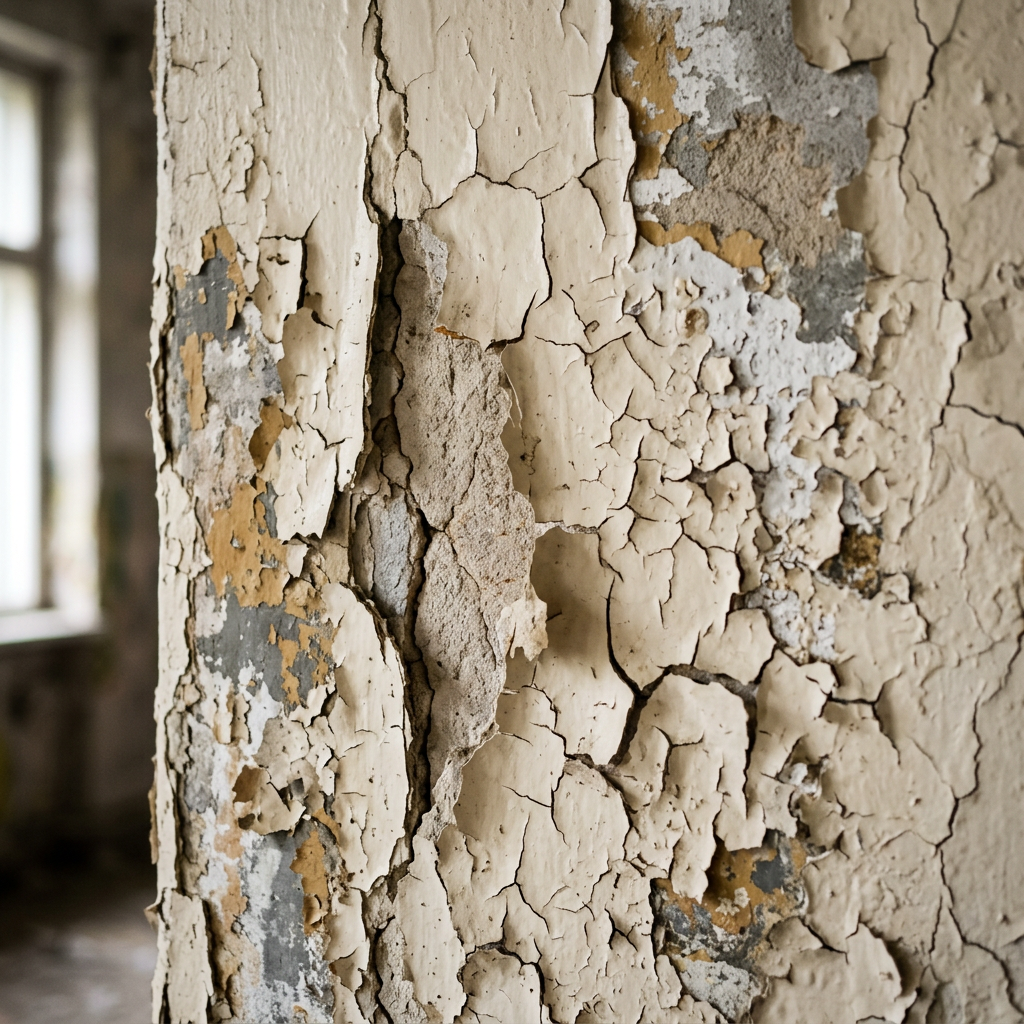
If you notice bubbling paint, soft spots, or a stain that keeps coming back, that can mean moisture is getting involved. And moisture plus drywall is never a cute couple. It usually means the damage goes deeper than the surface.
This is where drywall installation and repair services can make sense, especially if you’re dealing with more than a simple patch. A pro can tell whether it’s cosmetic or a sign of a leak, settling, or a bad previous repair.
Also watch for seams that start showing through paint. If your wall looks like it’s drawing its own roadmap, something underneath may be shifting or separating.
What causes damage
Drywall gets damaged in very normal ways. Your house settles over time, and that movement can create small cracks near doors, windows, and ceilings. It doesn’t always mean your home is falling apart. Sometimes it’s just aging like the rest of us.
Humidity is another big culprit. Bathrooms, kitchens, and laundry areas can make drywall swell, soften, or stain. If steam hangs around too long, your walls may start showing it.
Leaks are more serious. Even a slow drip inside a wall can weaken drywall and leave behind ugly marks. You might first notice peeling paint or a spot that feels slightly soft when you press it.
Then there’s everyday life. Door handles smack walls. Chairs scrape corners. Pets scratch. Kids turn hallways into racetracks. Even carrying a laundry basket can leave a dent if your turn is too wide. Drywall isn’t exactly made of superhero material, so repeated bumps add up.
DIY or call help
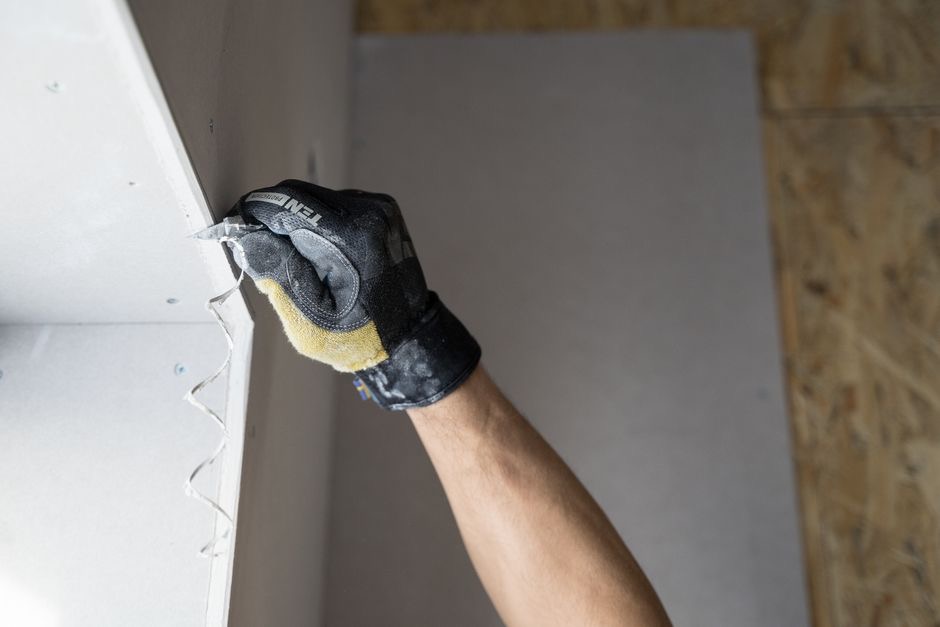
Some drywall fixes are very doable if the damage is tiny. A small nail hole or minor ding can often be patched with spackle, lightly sanded, and painted. If you’re patient and don’t mind a little dust, it’s a decent weekend task.
But bigger cracks, holes, water damage, or ceiling issues usually deserve more caution. A repair that looks simple can get messy fast. Matching wall texture is tricky, and uneven sanding can leave a patch that practically waves hello from across the room.
You should also think about what caused the damage. If a crack keeps returning, patching it without solving the real issue is like putting a sticker on a leaky water bottle. It may look better for a minute, but the problem is still there.
Calling for help makes sense when the wall feels soft, the area is large, or you suspect hidden moisture. A good repair shouldn’t just cover the damage. It should blend in so well that nobody notices it was ever there.
Rooms that need checks
Some rooms are basically drywall stress zones. Bathrooms are high on the list because steam and moisture can sneak into paint, seams, and corners. If your fan barely works, your walls may be paying the price.
Kitchens also get rough treatment. Heat, grease, and the occasional splash near sinks can affect wall surfaces over time. Check areas behind trash cans, beside the fridge, and near the table where chairs bump the wall again and again.
Hallways are classic dent territory. These are the places where backpacks swing, furniture gets dragged, and everyone somehow clips the same corner every single day.
Don’t skip the ceilings. Water stains, hairline cracks, or sagging spots overhead can be easy to miss until they become a much bigger headache. Around windows is another smart place to inspect, since temperature changes and settling often show up there first.
A quick room-by-room look every few months can catch small issues before they become repair projects with a bigger price tag.
How repairs affect paint
Drywall and paint are close friends, but only when the wall underneath is smooth and stable. If you patch a damaged area and paint over it too quickly, the repair can stand out like a bad haircut.
Fresh drywall compound needs time to dry properly. Then it should be sanded smooth, primed, and painted to match the rest of the wall. Skip the primer and the patch may absorb paint differently, leaving a dull or uneven spot.
Color matching can also be harder than people expect. Even if you still have the original paint, age and light exposure may have changed the color on the wall. That’s why a small touch-up sometimes turns into painting a whole section for a better blend.
Texture matters too. Smooth walls are easier to patch neatly. Textured walls can be more finicky, because even a small mismatch stands out when light hits it.
When repairs are done carefully, the final paint job looks clean and natural. When they’re rushed, your wall ends up telling on you.
Keeping walls in shape
The easiest drywall repair is the one you never need. A few simple habits can help your walls stay in better condition for longer.
Use door stops so handles don’t punch little craters into the wall. Keep humidity under control with fans in bathrooms and kitchens. If you spot a leak or stain, deal with it quickly before the drywall turns soft and crumbly.
Be careful when moving furniture, especially through narrow halls and tight corners. Corner guards can help in high-traffic spots, and they’re much less exciting than a repair bill. That’s a good thing.
If you notice a tiny crack or dent, don’t wait months hoping it will magically disappear. Walls are many things, but self-healing isn’t one of them. Small fixes are usually easier, cheaper, and less annoying than larger repairs later.
The main goal is simple: pay attention early. When you catch drywall trouble before it spreads, your home stays cleaner, smoother, and a lot less grumpy-looking. Your walls may never thank you out loud, but they’ll show it.
Discover more from The Cameron Journal
Subscribe to get the latest posts sent to your email.




